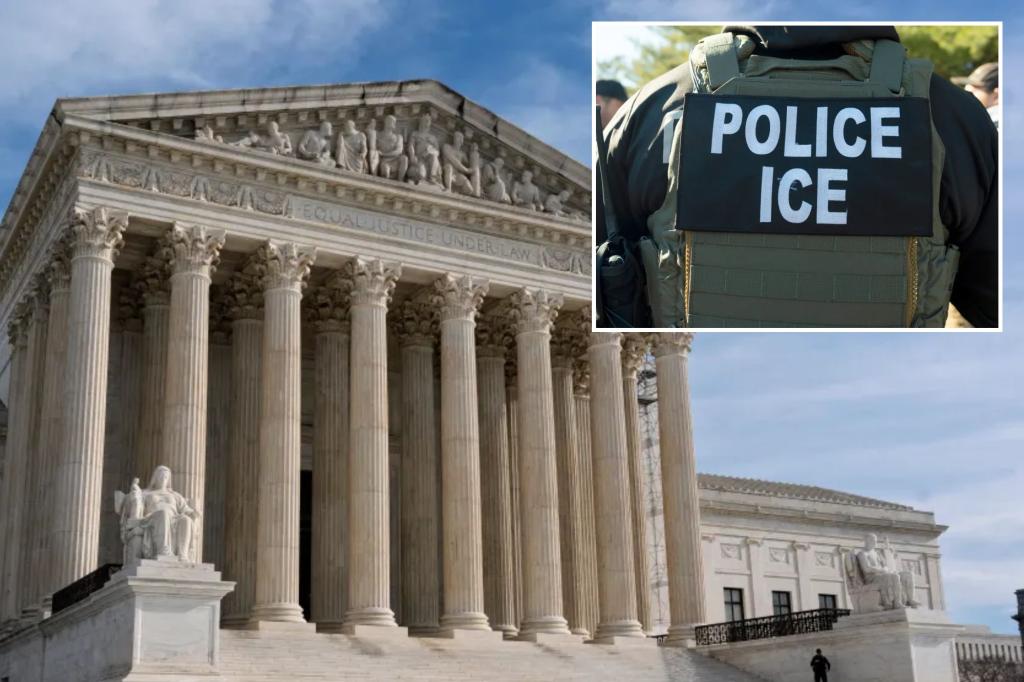
Criminal Migrants Head to South Sudan After Last-Minute Legal Clash
Deportation of Convicted Migrants to South Sudan Moves Forward Despite Legal Challenges
Eight migrants with serious criminal backgrounds, including violent offenses, are set to be deported to South Sudan after a legal dispute over their removal process. Efforts to halt their deportation faced setbacks following recent court rulings.
Lawyers representing the migrants filed a lawsuit on July 4 in Washington, D.C., aiming to delay the flight amid the Supreme Court’s decision against them. The court had previously allowed the government to proceed with the removals, affirming the legality of the deportations.
In response, Judge Randolph Moss temporarily blocked the flight on Friday but transferred the case back to the jurisdiction where an earlier lawsuit had been filed in Boston. Meanwhile, Judge Brian Murphy in Boston denied a request to prevent the deportation, citing the Supreme Court’s ruling that permitted flights to proceed to third countries, including South Sudan.
The scheduled flight is from Camp Lemonnier, a U.S. Navy base where the migrants, originally from Cuba, Mexico, Laos, Myanmar, Vietnam, and Sudan, have been detained for weeks. The individuals involved have criminal convictions including armed robbery, drug trafficking, sexual assault, and four are convicted murderers.
Officials have stated the deportation aligns with legal procedures, highlighting that the migrants had not appealed their removal orders. Critics argue that South Sudan’s ongoing conflict and violence could make the deportation inhumane, citing concerns over violations of protections against cruel and unusual punishment.

The U.S. government has argued that the men committed heinous acts so severe that acceptance in other countries is not feasible. The decision to deport comes despite concerns about South Sudan’s ongoing civil conflict and violence, which some legal advocates claim could amount to cruel treatment under constitutional protections.
Legal debates continue over the appropriate procedures for such deportations, especially given the complex circumstances surrounding the migrants’ convictions and South Sudan’s instability.