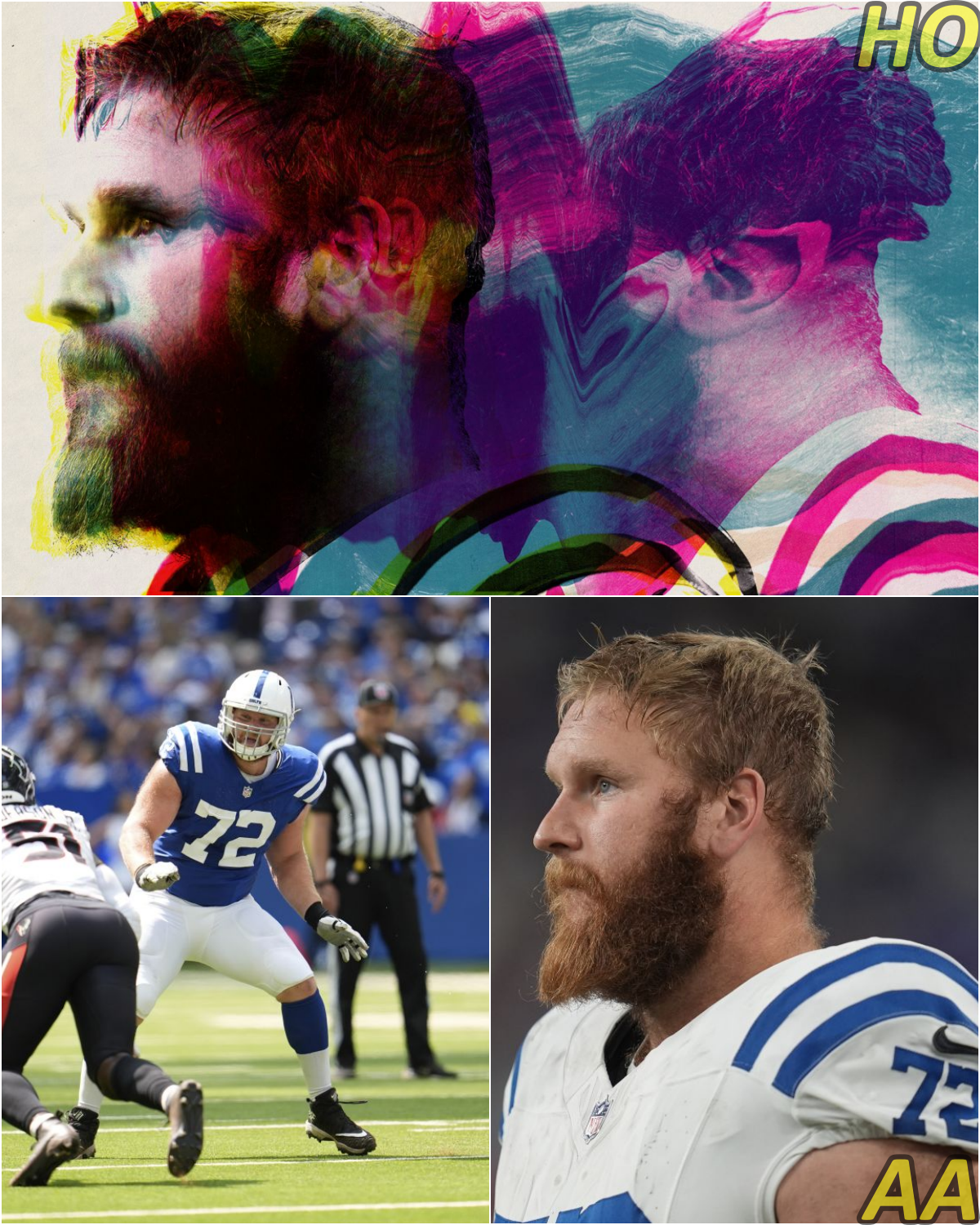
NFL Veteran Turns to Psychedelics to Conquer OCD at Retirement
NFL Player Braden Smith Turns to Psychedelics to Manage OCD

On the verge of retirement, Indianapolis Colts offensive lineman Braden Smith battled a worsening internal struggle—obsessive-compulsive disorder (OCD) intertwined with his faith. His obsession, religious scrupulosity, led him to believe that even his thoughts could be sins, resulting in relentless mental battles that sapped his joy for football.
Smith found himself caught in compulsive rituals, such as excessive praying and repetitive actions, while obsessively scrutinizing his behavior against scripture. His fears intensified after he interpreted biblical verses literally, fueling guilt and spiraling thoughts of guilt and inadequacy. These obsessions grew more severe, causing him to experience mental breakdowns and doubt his career.
Last season, Smith confided in his wife about the depth of his struggle, which worsened with the demanding NFL schedule. He contemplated retirement, feeling that his mind’s torments overshadowed his love for the game. After treatment in a facility and limited progress, Smith chose to explore alternative therapies, traveling to Mexico to undergo treatment with psychedelics like ibogaine and 5-MeO-DMT—substances not banned by the NFL but illegal in the US.
Combined with therapy and mindfulness training, this approach helped Smith make significant breakthroughs. He described the psychedelics as “opening doors into my mind,” providing clarity and helping him reframe his obsessive fears as irrational. His journey echoed promising findings from recent studies, which suggest potential benefits of ibogaine for mental health conditions like depression and PTSD, though risks remain.
As he resumes his football career, Smith emphasizes that OCD remains a daily challenge, but he has adopted a new perspective—acceptance rather than resistance. He encourages others experiencing similar struggles to reach out to trusted loved ones, sharing that vulnerability is crucial for healing.
Now, more resilient and in a better mental state, Smith continues his faith journey and hopes his story provides hope for others fighting silent battles inside their minds.