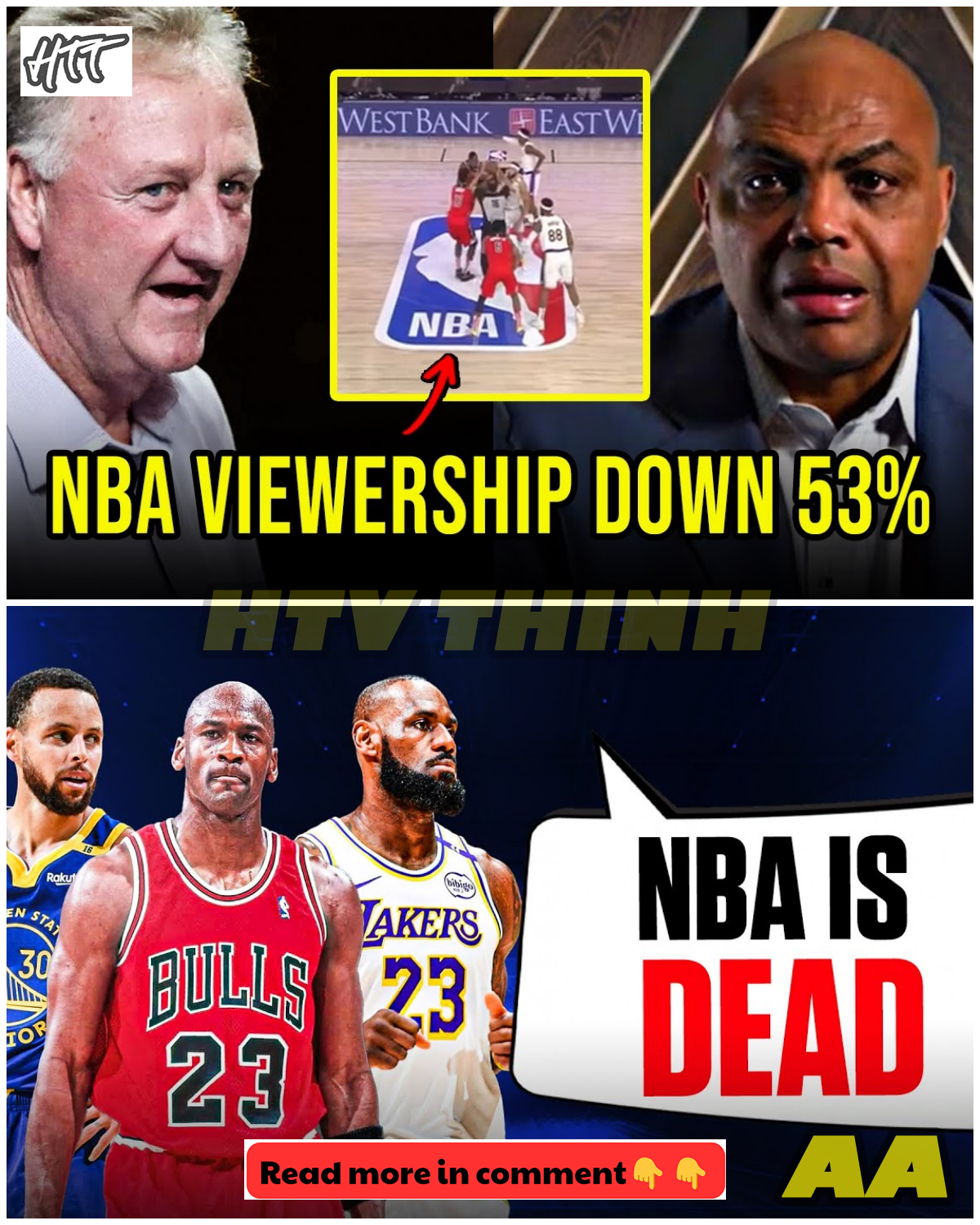
NBA Legends Reveal Why the NBA Is Gone
Has the NBA Lost Its Soul? Legends Speak Out on the League’s Decline
Many fans and former players believe the NBA has become less creative and more sanitized over time. The traditional physicality, grit, and emotional intensity that once defined the game seem to have diminished due to modern rules favoring offense and restricting contact, turning the sport into a more regulated and less visceral experience.
While the league has boosted its presence on social media, critics argue that digital buzz cannot replace the excitement of a hard-fought on-court battle. The game has shifted towards a three-point shooting mindset, heavily driven by analytics that discourage mid-range shots and defense. This evolution has led to predictable, repetitive games lacking the unpredictability and flair that originally made basketball captivating.
NBA legends express frustration over this transformation. Shaquille O’Neal criticized the homogenization of playing styles, noting how every team seems dependent on the same three-point strategies, stripping each team of its unique identity. Charles Barkley lamented recent games dominated by three-point shooting and little defensive effort, describing the league as a “three-point contest” that has lost its heart.
Defensive play has also declined as rules limit physical contact, making it harder for defenders to compete fiercely. Some players, like Draymond Green, openly call the current NBA “boring,” citing the lack of toughness and grit. Even coaches, including the reigning champions’ head coach, admit the product feels uninteresting.
Beyond gameplay, issues like high ticket prices and exclusive access have alienated many fans, transforming basketball from a sport for all to a luxury experience. The league’s focus on branding and avoiding conflicts for commercial reasons has cooled rivalries and emotional storytelling, once central to the sport’s appeal.
Player load management policies and the decline of traditional marquee events further diminish fan engagement. As analytics push players toward certain styles and routines, the spontaneity and artistry of basketball suffer, risking the league’s connection with its audience.
Despite ongoing international growth, the league faces a delicate crossroads. To thrive, it must reinvigorate its roots—embracing physicality, creativity, and authentic rivalries—before its legacy fades into a spectacle driven more by algorithms than passion.