NYC’s Free Summer Meals! Halal Food Only—No Kosher, Limited Spots!
NYC Summer Meal Program Offers Widely Available Halal Options, But No Public Listing of Kosher Meals
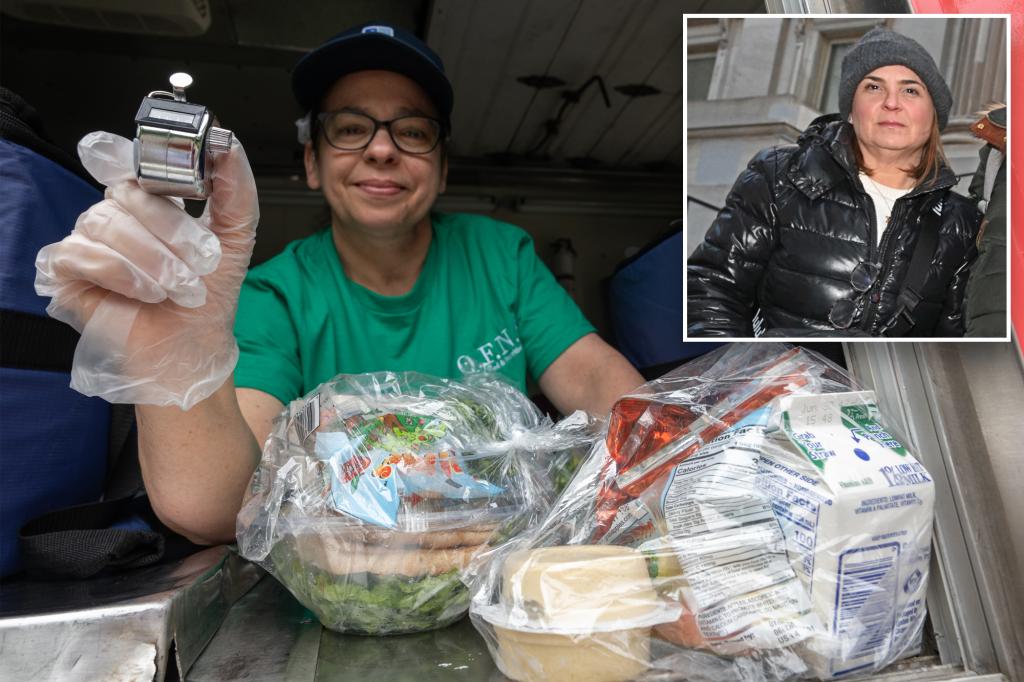
The Department of Education’s summer meal initiative provides free breakfast and lunch options at over 25 locations across the city, open to all youths under 18, regardless of school enrollment. These sites include schools, pools, libraries, and parks. No registration or identification is necessary; simply visit a designated location to receive meals.
While halal meals—permitted under Islamic dietary laws—are readily available at participating sites, kosher meals for Jewish children require special ordering and are not listed publicly. The department confirmed that kosher meals are only provided upon request and currently, there are no active applications for such accommodations.
Halal menus include items like egg and cheese on a biscuit, chicken tenders, pizza, falafel, and veggie burgers, designed to adhere to Islamic dietary standards. Kosher meal options, if ordered, would include items such as yogurt, fruit, hummus, and whole wheat bread, complying with Jewish dietary laws that restrict certain foods and mandate specific preparation methods.

Jewish advocacy groups have voiced concerns over the lack of explicit kosher options. A prominent Jewish organization noted that while the department promotes halal meals, it fails to provide comparable outreach for kosher meals, which affects inclusive participation.
The city’s Metropolitan Council on Jewish Poverty reports serving over 325,000 for emergency food assistance that respects kosher and halal religious requirements. Currently, the DOE does not detail its sourcing or preparation of halal and kosher foods, leading to some frustration among community advocates.
Despite the absence of official public options, the department expressed enthusiasm for the program’s return, emphasizing that ensuring children are nourished remains a priority. Funding for this initiative is drawn from the city’s annual $600 million school food budget.