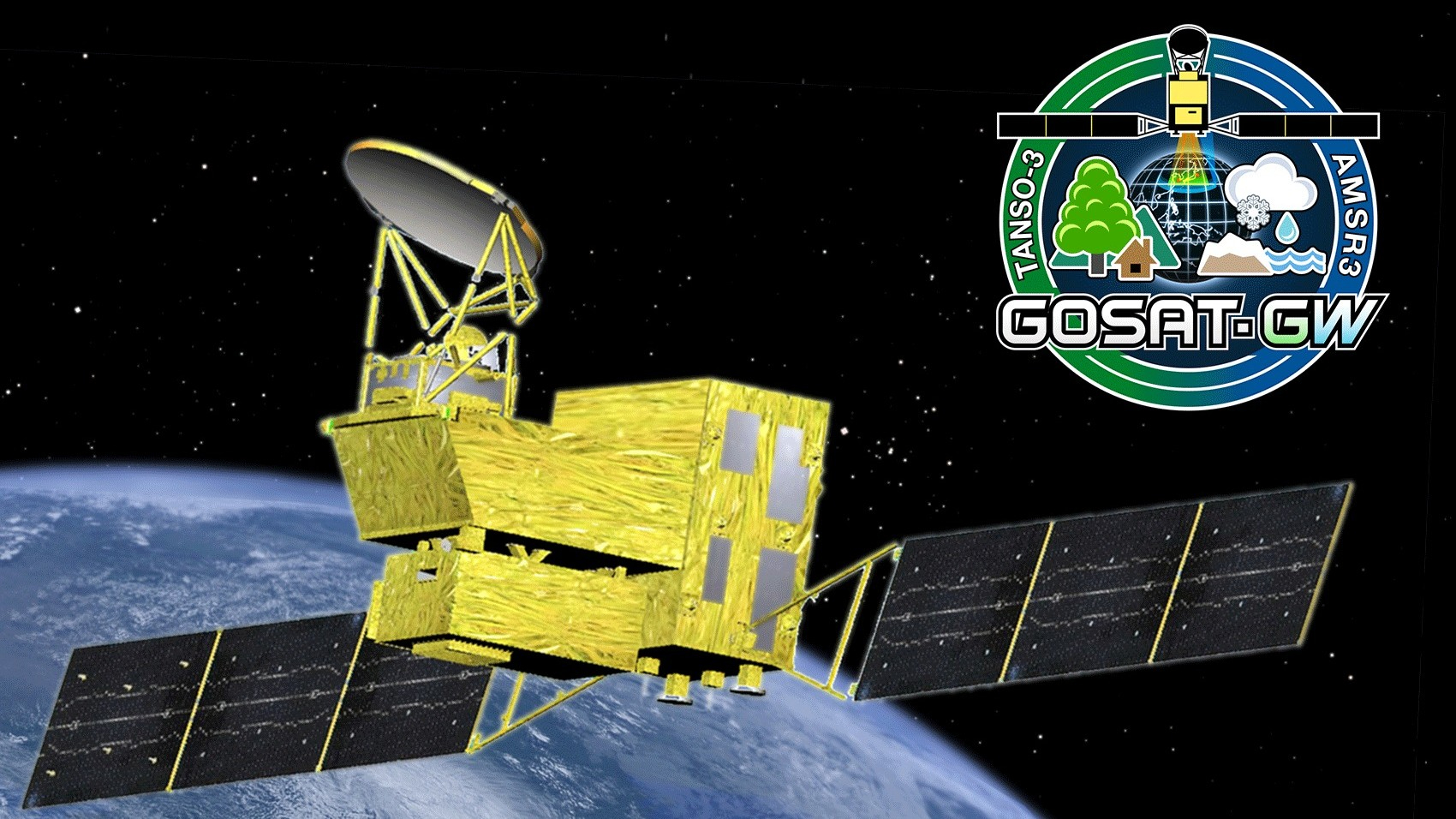
Japan’s Final H-2A Launch Set for June 28: GOSAT-GW’s Big Debut!
Japan Launches Dual-Purpose Satellite to Monitor Climate and Water Cycles
Japan is preparing to launch a new satellite designed to observe greenhouse gases and water cycle changes on Earth. The mission involves the final launch of the H-2A rocket, set for Saturday, June 28, from the Yoshinobu Launch Complex at the Tanegashima Space Center.
The satellite, named GOSAT-GW (Greenhouse Gas and Water Cycle Observation Satellite), will be carried into space during a 20-minute window opening at 12:33 p.m. EDT (1:33 a.m. local time in Japan). Live coverage will be available through JAXA’s official channels and on YouTube.
GOSAT-GW builds upon previous missions like GCOM-W2 (“SHIZUKU”) and GOSAT-1 (“IBUKI”), which launched in 2012 and 2009 respectively. It features two key instruments: the Advanced Microwave Radiometer (AMSR), which measures sea surface temperatures and water cycles, and the TANSO sensor, which monitors atmospheric greenhouse gases such as carbon dioxide to better understand climate change.

The H-2A rocket, built by Mitsubishi Heavy Industries for JAXA, has a strong track record since its first launch in 2001, boasting a 98% success rate after nearly 25 years with only a single failure. It is capable of delivering payloads to geostationary orbit and even lunar missions. The upcoming mission marks the rocket’s final flight before retirement, replaced by Japan’s more cost-effective H3 rocket.
Once operational, GOSAT-GW will significantly enhance Japan’s ability to monitor climate variables and water cycles, vital for understanding environmental changes and informing policy decisions.