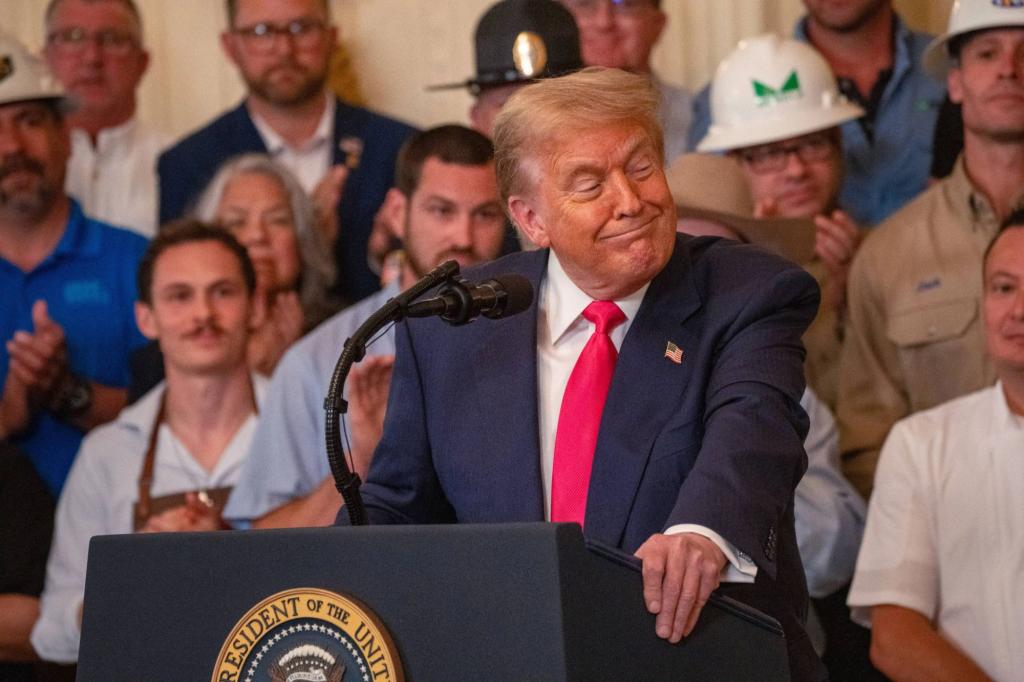
How the Big Beautiful Bill Will Slash Energy Costs & Supercharge US Prosperity!
Ending Subsidies for Green Energy: A Step Toward Reliable and Affordable Power
Many would hesitate to pay much for an Uber if they didn’t know when they’d be picked up or where they’d be headed. Similarly, the unpredictability of wind and solar energy—due to weather variations—affects the stability of our electricity grid.
Despite this, the federal government has subsidized these renewable sources for decades, leading to higher electricity rates and a less dependable grid. Critics argue that these subsidies are wasteful, as wind and solar account for a small fraction of power that is reliably available 24/7 from natural gas, nuclear, and coal plants.
For example, the Renewable Electricity Production Tax Credit, introduced in 1992 to support growing wind energy, has been extended 12 times. Meanwhile, consumer costs for electricity have increased, even after adjusting for inflation. Today, most U.S. electricity comes from consistent sources like natural gas, nuclear, and coal, which are unaffected by weather conditions.
During peak demand, such as cold winter evenings, the power grid relies heavily on these reliable sources. In a mid-Atlantic region, for instance, about 75% of electricity at peak times comes from coal, natural gas, and nuclear. Wind and solar contributions are minimal, underscoring their intermittent nature.
Subsidies foster a problematic dual system—maintaining both traditional and renewable energy infrastructures—yet wind and solar cannot be stored effectively. When these sources aren’t producing, fossil fuel plants must ramp up on short notice, increasing costs for consumers.
Subsidizing intermittent energy sources not only inflates costs but also complicates grid management and reliability. Consequently, the push to eliminate green energy tax credits aims to promote market-driven energy solutions that are both cost-effective and dependable.
Moving away from perpetual subsidization could pave the way for truly viable energy sources to compete on equal footing, reducing costs for Americans while enhancing energy security.