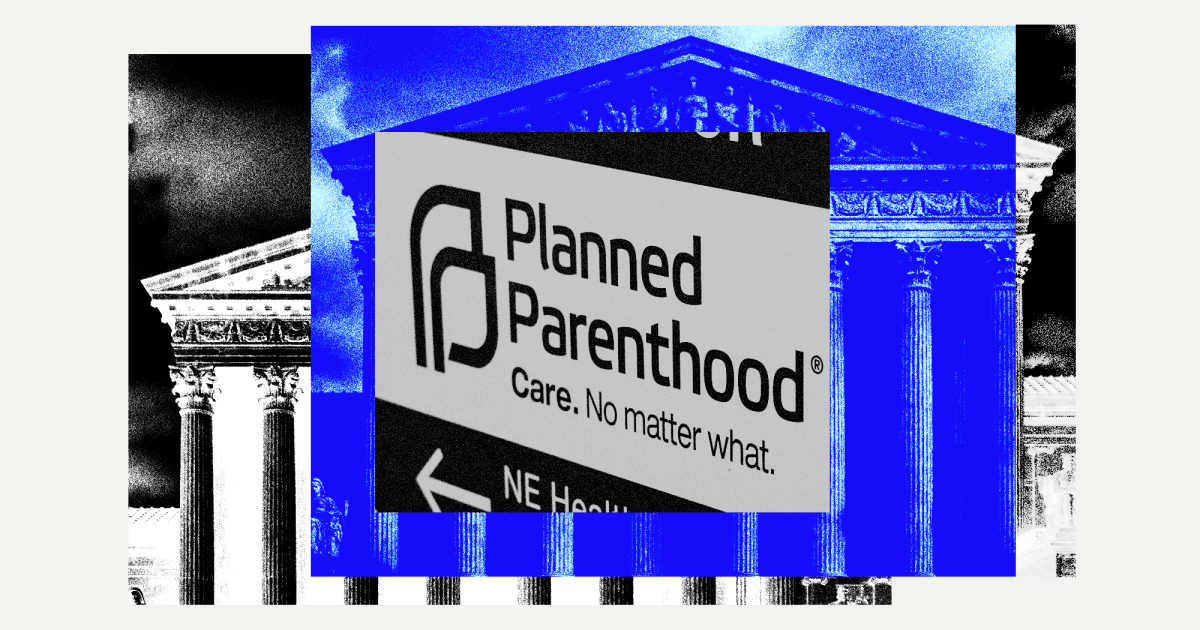
Supreme Court Makes It Easier for States to Defund Planned Parenthood—Shocking New Power Shift!
Supreme Court Limits Patients’ Rights to Sue Over Medicaid Funding Cuts

In a significant decision, the Supreme Court ruled 6-3 that patients cannot sue to challenge state decisions to withhold Medicaid funding from healthcare providers like Planned Parenthood. The case, Medina v. Planned Parenthood South Atlantic, involved South Carolina’s decision in 2018 to exclude Planned Parenthood from Medicaid reimbursements, citing political motives related to abortion opposition.
Justice Neil Gorsuch, writing for the majority, stated that the Medicaid provision safeguarding patients’ freedom to choose their providers lacks the necessary language to grant individuals the right to sue when their choice is restricted. Conversely, Justice Ketanji Brown Jackson dissented, warning that this ruling effectively undermines a civil rights law that empowers citizens to seek legal redress against violations of their rights.
The dispute originated when South Carolina Governor Henry McMaster disqualified Planned Parenthood from Medicaid due to political disagreements, despite the services provided—such as birth control and cancer screenings—being non-abortion related and vital for low-income residents. The state’s move was motivated by anti-abortion sentiments rather than health concerns.
Traditionally, federal law has guaranteed patients’ rights to select qualified providers under Medicaid. The plaintiffs argued that South Carolina’s action violated that right. However, the Supreme Court’s ruling limits federal oversight, allowing states to cut Medicaid ties with providers without facing legal challenges from patients.
This decision marks a victory for conservative legal groups like the Alliance Defending Freedom, which actively oppose abortion rights and have supported similar legal battles. It also raises concerns about access to reproductive healthcare, as states may now more easily block Medicaid reimbursements to providers like Planned Parenthood, affecting millions of Medicaid beneficiaries.
Furthermore, ongoing federal measures, including potential budget cuts under review, threaten to reduce or eliminate funding streams like Title X, essential for providing low-cost family planning to underserved populations. Critics argue these actions jeopardize access to comprehensive reproductive health services across the country.