Human Remains Lost at Sea After Memorial Spaceflight Capsule Crash!
SpaceX Mission Ends with Capsule Loss During Reentry
During a recent launch, a space capsule from The Exploration Company nearly survived its descent back to Earth, but ultimately did not make a safe landing. The mission is considered a “partial success” due to this anomaly.
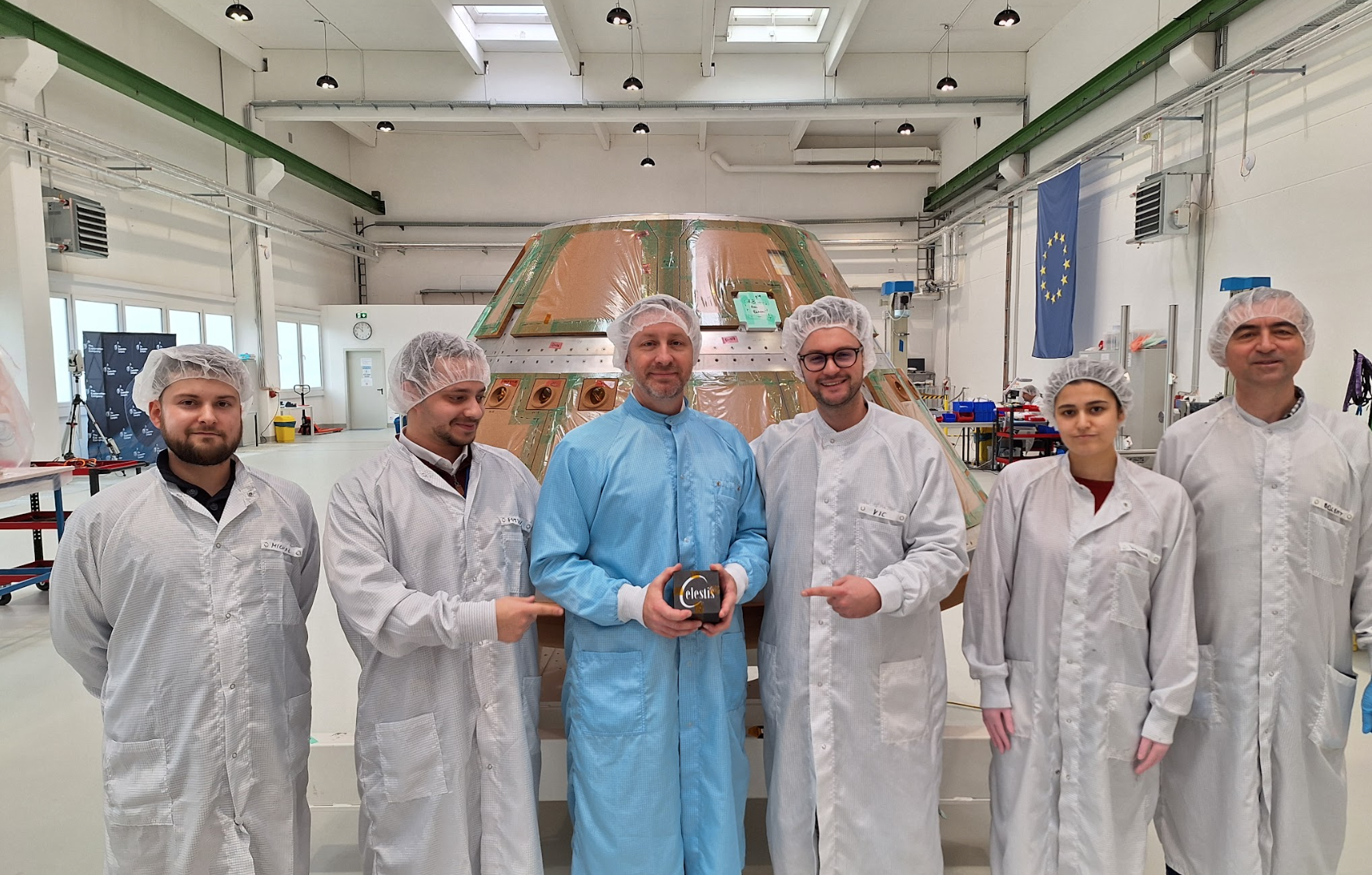
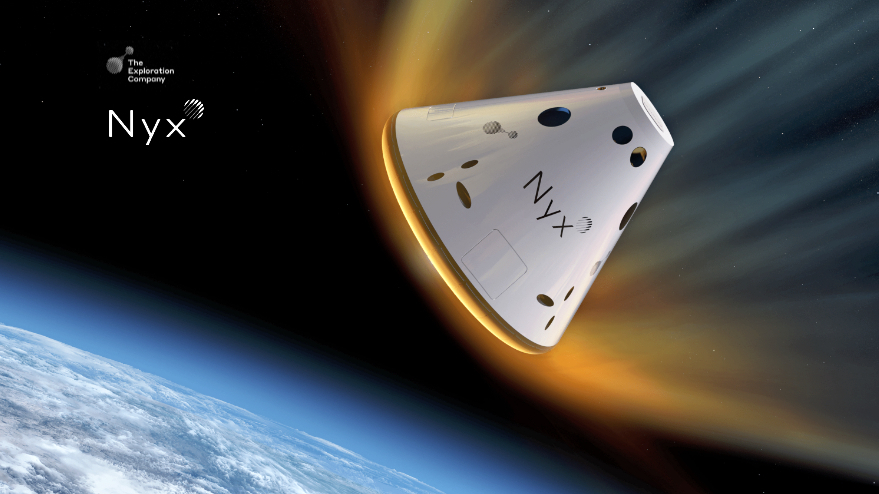
On June 23, a SpaceX Falcon 9 rocket launched the Transporter-14 rideshare mission, deploying 70 satellites and multiple payloads into orbit, including two reentry capsules designed for recovery. One of these was a European-made capsule called Nyx, part of The Exploration Company’s “Mission Possible.” This capsule was carrying remains from loved ones, contributed via a space memorial service by Celestis.
Initially, the Nyx capsule performed as expected throughout its journey. It successfully launched, operated in orbit, stabilized after separation, and re-entered Earth’s atmosphere. Communications were re-established after passing through the intense friction layer that occurs during atmospheric reentry.
However, just minutes before its expected splashdown in the Pacific Ocean, the capsule encountered an issue. According to the company, Nyx experienced an anomaly after reestablishing contact, and communication was lost prior to landing. Further investigation is ongoing.
It was later confirmed that the capsule’s parachute system failed, leading to an uncontrolled impact in the ocean, dispersing its contents in the sea. Despite this setback, Celestis expressed that the remains shared a meaningful journey, orbiting Earth before resting in the Pacific, akin to traditional sea scatterings.
The Exploration Company apologized to clients and indicated that, although the capsule cannot be recovered, they are committed to learning from this incident. They aim to re-fly similar missions soon, building on their technological progress and the lessons learned from this partial success.