NYC Secures $1 Billion Shelter Deal with Hotels Amid End of Migrant Crisis!
NYC Extends Nearly $1 Billion Hotel Shelter Contract Despite Signs of Crisis Easing
The city has renewed a nearly $1 billion no-bid contract with the hotel industry to provide emergency shelter for migrants and homeless residents, even as officials claim the migrant influx has slowed significantly.
The $929.1 million agreement with the Hotel Association of New York City Foundation was enacted in January and extends through June 30, 2026. The contract was awarded through a negotiated process, bypassing competitive bidding, and covers the use of hotel rooms to house shelter clients.
The city reported that the total shelter population remains high, with over 86,000 individuals, including homeless people and asylum seekers. Last year, the average nightly cost of housing migrants was $352, with $130 allocated for hotel room rentals, of which the Hotel Association takes only nominal administrative fees.
The reliance on hotels increased during the COVID-19 pandemic to prevent virus spread, especially during peak migrant arrival periods when about 4,000 asylum seekers arrived weekly. Despite the decline in arrivals following recent border enforcement measures, the city maintained its focus on hotel-based shelters.
The administration justifies this extension by citing the ongoing shelter demand, with the population soaring from 61,415 pre-pandemic to a peak of 140,134 in January 2024—a 127% increase over two years, according to a state report.
The Department of Homeless Services emphasizes that New York is committed to its right to shelter policy, which mandates providing emergency housing to all in need.

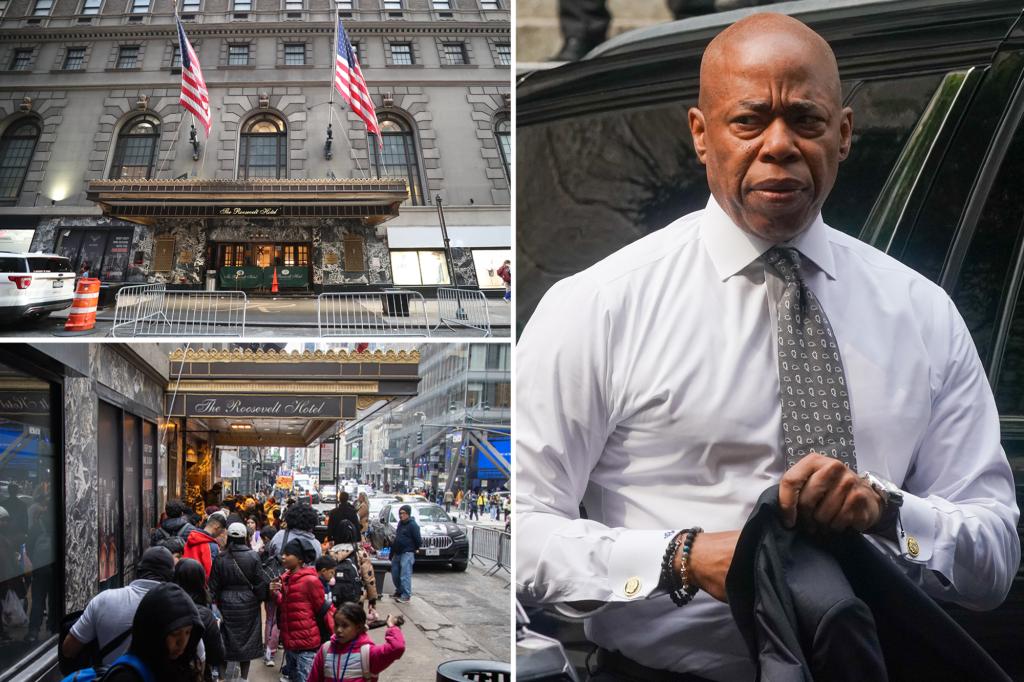
At the height of the crisis, over 150 hotels across the five boroughs operated as migrant shelters, including the iconic Roosevelt Hotel, which became a symbol of the city’s challenges. Recent months have seen the closure of major temporary shelters like tent encampments at Randall’s Island and Floyd Bennett Field, reflecting the decreased influx.
Border enforcement and changes in federal funding policies have contributed to a slowdown in arrivals. President Trump’s administration, returning to office early this year, enacted stricter border controls, reducing illegal crossings from thousands weekly to just a few hundred.
Nevertheless, the use of hotels for shelter remains contentious. The city faced federal funding cuts in February, after claims of over-spending on luxury accommodations. City officials, including Mayor Adams, disputed these accusations, and lawsuits ensued to recover the withheld funds.
Despite the easing crisis, NYC continues to allocate substantial resources to shelter and migrant support, underscoring ongoing challenges and policy debates about emergency housing strategies.