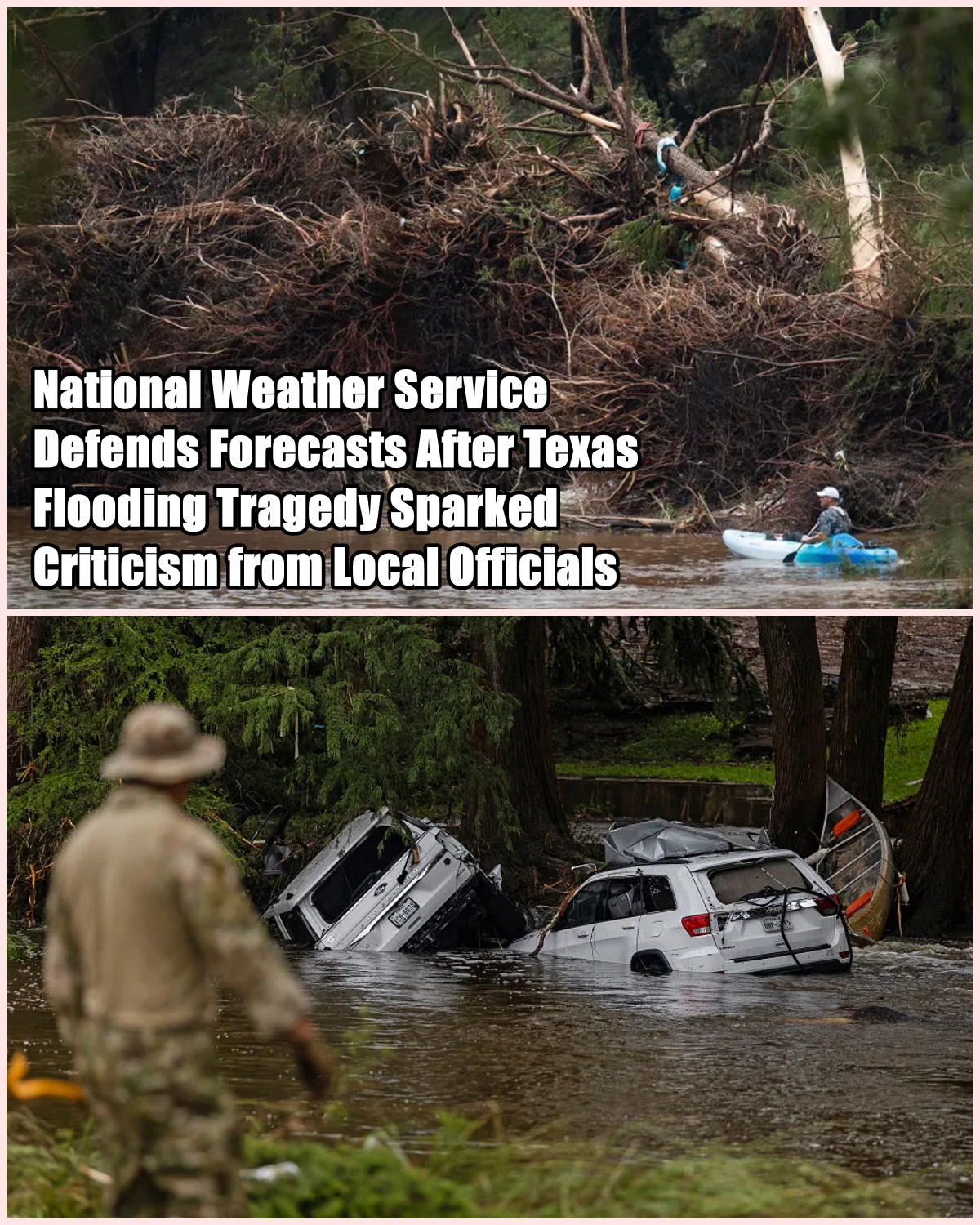
Texas Flooding Sparks Backlash: Weather Service Faces Criticism Over Warnings
Criticism Grows Over Flood Warnings After Devastating Texas Flash Floods
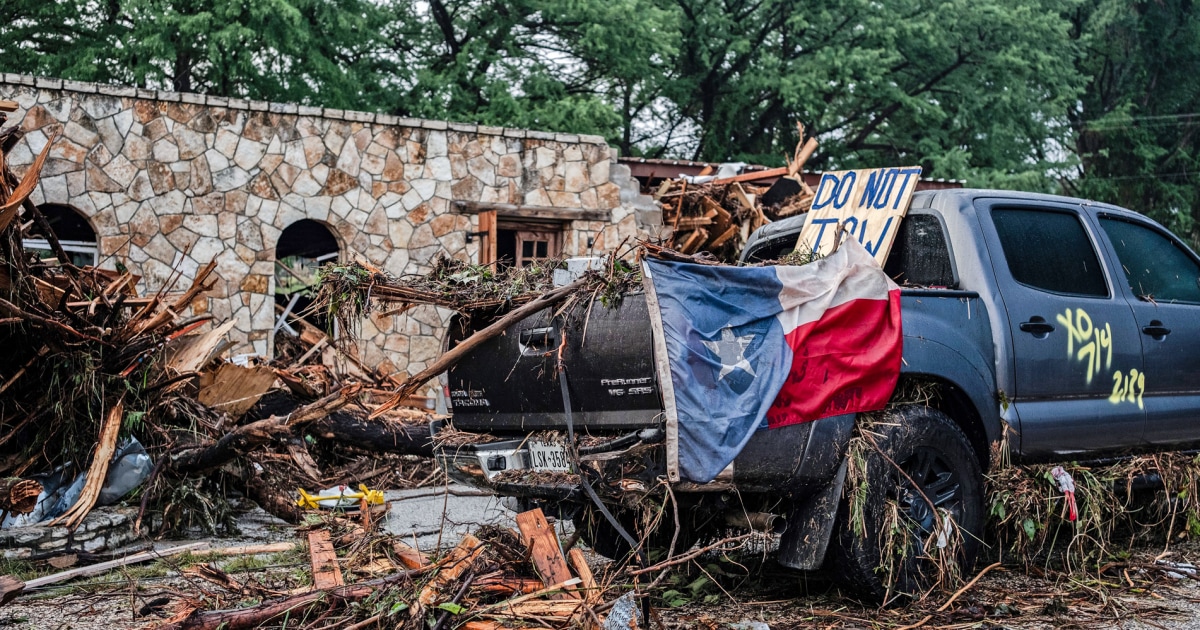
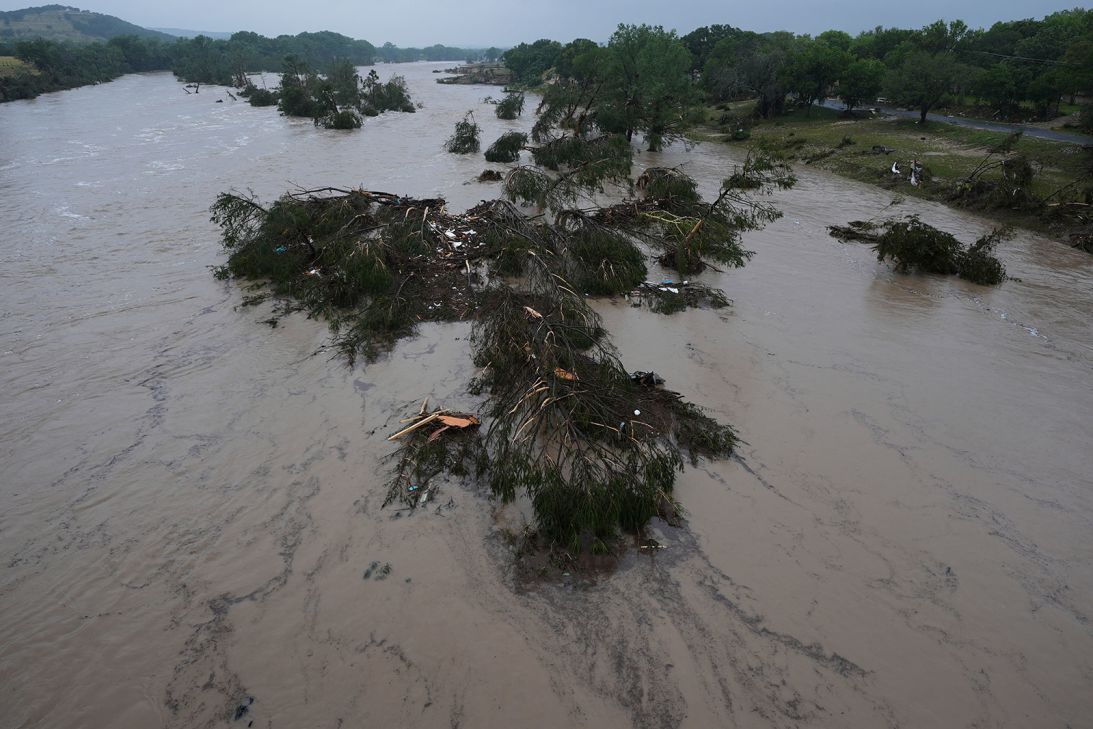
Texas experienced severe flash flooding over the July 4th weekend, resulting in multiple fatalities and widespread destruction. The event struck Johnson, Tarrant, and Ellis counties with intense rainfall exceeding six inches in just a few hours, turning roads into raging torrents and overwhelming emergency services.
Among the victims was 44-year-old Joey Ayala, who drowned after his vehicle was swept away by floodwaters. His widow, Amanda Ayala, expressed frustration, stating there was no clear warning indicating imminent danger, and had they known the severity, her husband wouldn’t have driven through the flood-prone area.

In response to rising criticism, the National Weather Service (NWS) defended its performance, claiming it issued timely alerts and flood watches starting on July 3. However, many residents say they did not receive clear or effective warnings, particularly in rural or underserved communities, leading to confusion and unpreparedness.
Local officials have launched reviews into the communication breakdowns, evaluating whether real-time updates and community-specific alerts could be improved through initiatives like the Integrated Public Alert & Warning System (IPAWS).
This tragedy has intensified the national conversation about the effectiveness of weather alerts. Meteorologists emphasize that while forecasting accuracy has improved, effectively communicating urgency remains a challenge. Many people misunderstand terms like “flood watch” versus “flood warning,” which can be a matter of life or death.
Experts also highlight climate change’s role in increasing the frequency and intensity of such storms, especially in vulnerable rural and suburban areas with aging infrastructure.
To address these issues, the NWS has launched public education campaigns to improve awareness and is encouraging communities to enhance signage, flood mapping, and outreach efforts. As families mourn and seek accountability, the focus is on preventing future tragedies through better communication and infrastructure improvements.
The coming weeks are expected to bring more scrutiny of the flood response efforts and discussions on rebuilding trust in emergency systems. The heart-wrenching stories, including Joey Ayala’s final voicemail that has gone viral, underscore the urgent need for improved preparedness and communication to save lives in future disasters.

The tragedy highlights the critical need for effective communication strategies and community engagement to ensure timely warnings and prevent future loss of life during extreme weather events.