How ‘Cap-and-Invest’ Hurts California and Will Harm New York
Rising Gas Prices in California Driven by State Policies
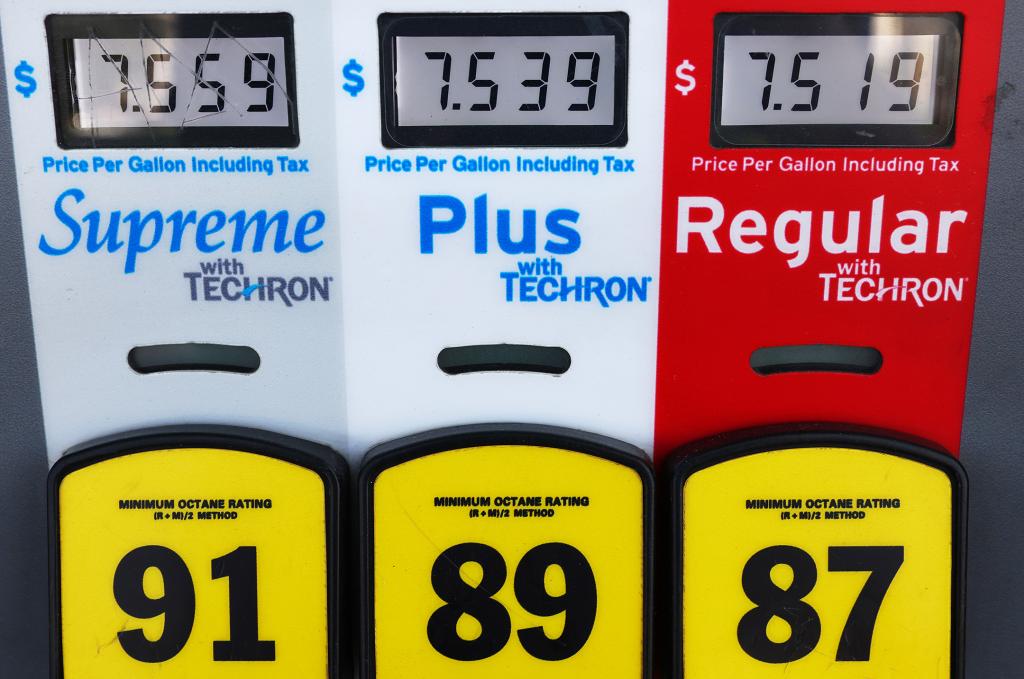
Gasoline prices across California are soaring, with some stations in Los Angeles reaching nearly $8 per gallon. A significant factor is the state’s recent updates to its “Low Carbon Fuel Standard,” which went into effect on July 1 and is estimated to add about 65 cents per gallon to fuel costs. Additional regulations, such as the cap-and-trade program, also contribute to higher energy prices by requiring refineries and utilities to purchase allowances for greenhouse gas emissions.
The revenue from selling these allowances funds various environmental projects through the Greenhouse Gas Reduction Fund. A considerable portion of these funds—around 25%—is allocated to the high-cost high-speed rail project, with billions spent on decarbonization and manure management initiatives.
California’s system is set to expire in 2030, which might lower gas prices, but the governor has expressed intentions to extend the program through 2045, dedicating $1 billion annually to the rail project. These policies have caused energy costs to rise significantly, with experts estimating that if carbon allowances cost $50 per ton, gasoline prices could increase by nearly 50 cents per gallon.
The impact isn’t limited to California. Washington implemented a similar cap-and-invest system in 2023, and within months, gas prices in Seattle became the highest in the U.S., with critics linking the higher costs to new climate legislation.
In Canada, Ontario abandoned its cap-and-trade program due to its costliness and ineffectiveness, highlighting the economic drawbacks of such policies. Even with some residents receiving credits to offset higher energy costs, critics argue these programs are essentially hidden taxes aimed at financing government projects rather than genuinely reducing emissions.
While California produces only about 1% of global greenhouse gases, officials claim it leads by example on climate action. However, opponents contend these measures drive up living costs, disproportionately affecting lower-income residents and potentially fueling a cycle of higher poverty rates.
In New York, similar ambitions are in the pipeline, with tentative plans for a cap-and-invest program expected to be delayed beyond the next election, raising questions about future energy costs in the state.