US Sanctions Cuban President Díaz-Canel Over Human Rights Violations
U.S. Imposes Sanctions on Cuban Leaders Amid Historic Protests
The United States has announced sanctions targeting the Cuban President and other senior officials, citing human rights abuses and restrictions on visas, coinciding with the anniversary of Cuba’s largest protests in recent years.
U.S. Secretary of State Marco Rubio stated that visa bans are imposed on Cuban judicial and prison authorities believed to be involved in the unjust detention and mistreatment of demonstrators from the July 2021 protests. These protests arose mainly from widespread economic hardship and repeated blackouts, and notably, they were not orchestrated by opposition parties.
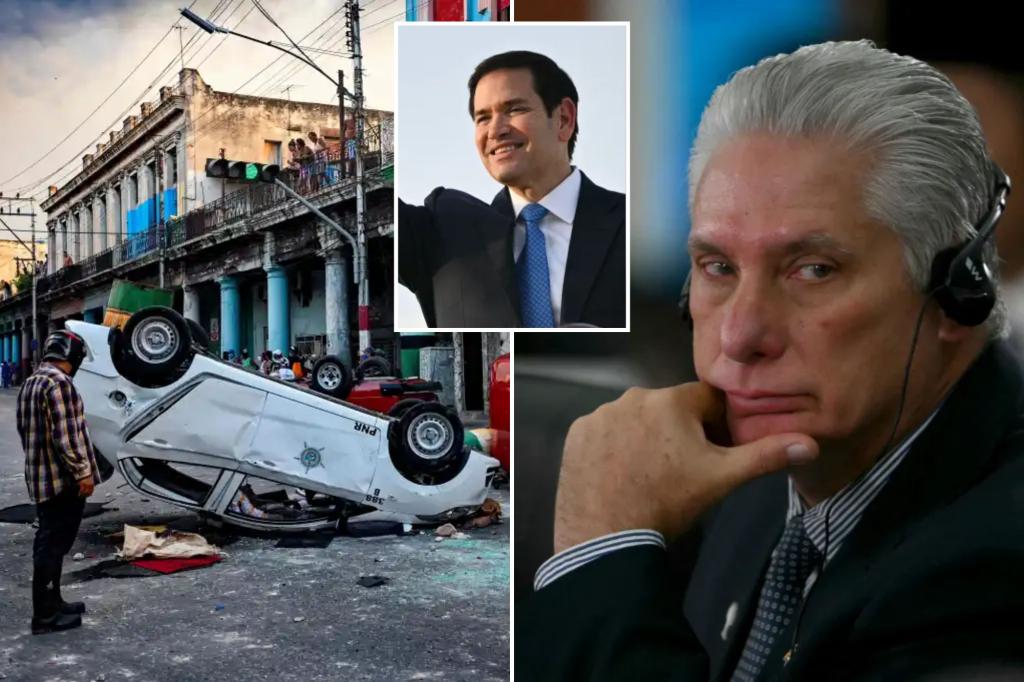
The protests, which rocked Havana and other cities, resulted in significant unrest, including the overturning of police cars and reports of violence. One individual died, and many marches ended with acts of vandalism. Human rights organizations estimate over 1,000 arrests occurred, though official figures from the government are unavailable.
In addition to President Diaz-Canel, the U.S. sanctions also target Defense Minister Álvaro López Miera and Interior Minister Lázaro Álvarez Casas. The move reflects a tougher stance compared to the Biden administration’s predecessors, who previously took a less aggressive approach towards Havana.
Reactions from Cuba’s government officials were swift. A deputy from the Cuban Foreign Ministry criticized Rubio, accusing him of defending repression and mass deportations, while Cuba accused the U.S. of fomenting unrest via media and sanctions.
The 2021 protests marked a rare display of dissent, with many participants calling for economic relief and political change. The Cuban government attributed the unrest to external influences rather than internal issues. As of 2022, authorities reported investigations into about 790 individuals linked to the demonstrations, with some later released following appeals supported by the Pope.

