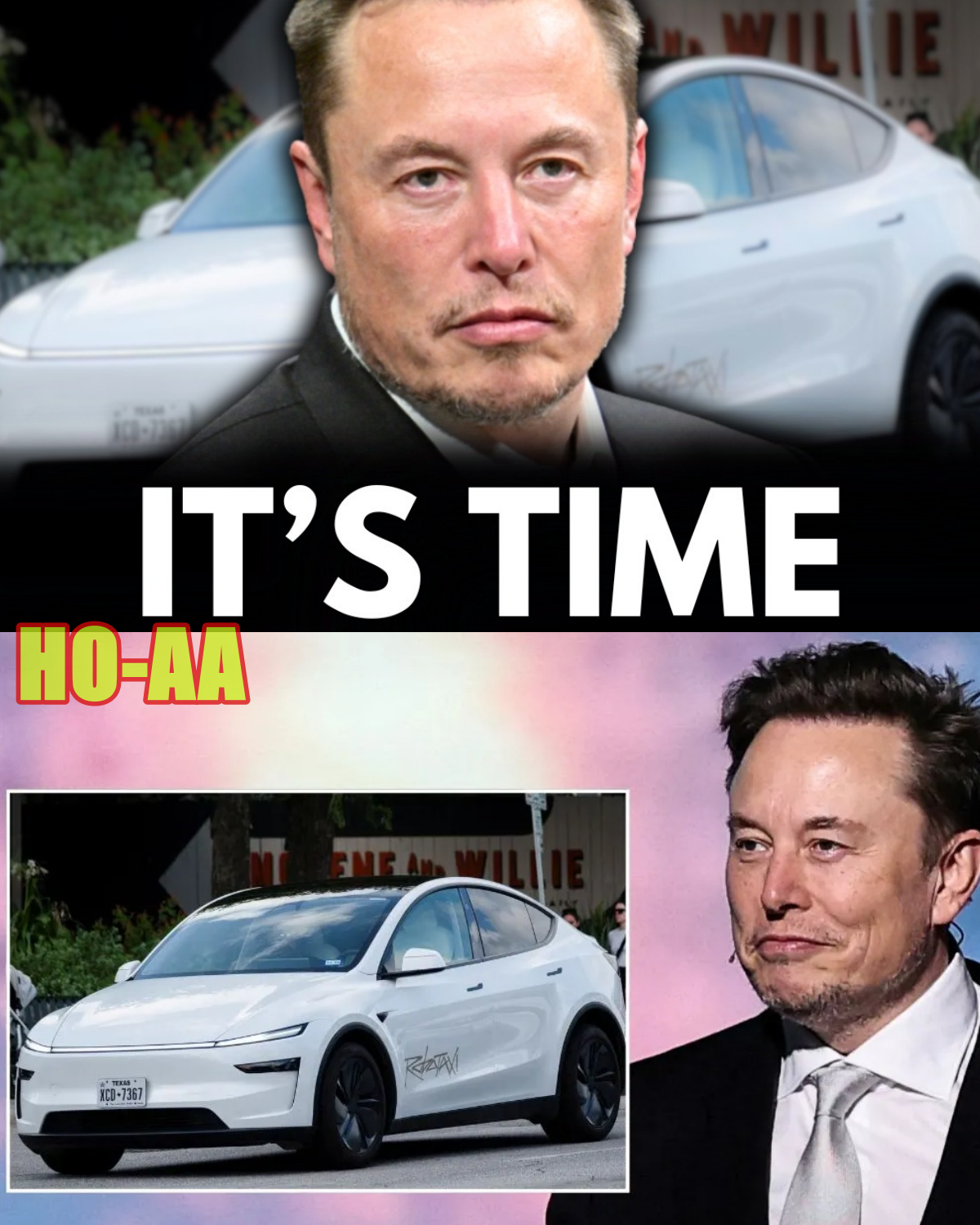
Elon Musk Warns of a Robotaxi Boom
Elon Musk Predicts a Rapid Arrival of Fully Autonomous Robotaxis
Elon Musk, CEO of Tesla and X (formerly Twitter), recently made a bold forecast: a “tsunami of robotaxis” is imminent, arriving sooner than many industry observers expect. During a livestream event in Austin, Texas, Musk claimed that fully autonomous Tesla vehicles would soon dominate city streets, revolutionizing urban transportation.
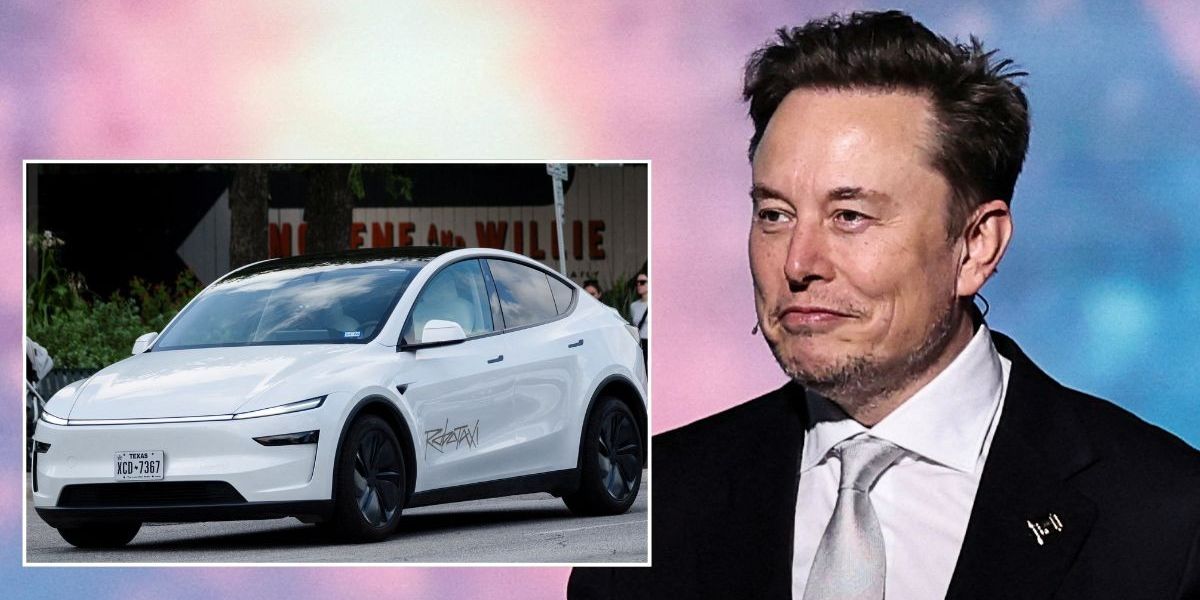
“We are on the verge of a transportation revolution,” Musk said. “Robotaxis are no longer science fiction. They’re real—and they’ll be deployed at scale.”

While Musk’s statement excited supporters and briefly boosted Tesla’s stock, skepticism remained among analysts, regulators, and technologists. Is Musk making another ambitious promise, or is a self-driving revolution truly within reach? Here’s a closer look at the facts, timeline, and obstacles ahead.
What is a Robotaxi?
Robotaxis are fully autonomous vehicles capable of transporting passengers without a human driver. Unlike current ride-hailing services such as Uber, these vehicles rely on sophisticated software, cameras, and sensors to operate independently, turning cars into self-driving taxis. Tesla’s upcoming robotaxi is expected to be:
- Steering-wheel free (completely driverless)
- Fully electric, based on Tesla’s Full Self-Driving (FSD) system
- Operated in a Tesla-owned fleet or available to Tesla owners for passive income

Elon Musk envisions a scenario where owners can summon their Tesla, send it to pick someone up, and earn money while they sleep. The official unveiling of Tesla’s robotaxi is scheduled for August 8, 2025, with production potentially starting late that year and initial deployments in major U.S. cities by 2026. Musk’s predicted timelines are bold, yet past claims have often been overly optimistic.

Technological Readiness and Challenges
Tesla’s FSD system serves as the foundation for robotaxis. It currently operates in beta on hundreds of thousands of vehicles, utilizing neural networks, eight external cameras, and a vision-only approach without LiDAR or radar. Recent updates have improved urban navigation, yet critics argue it remains below Level 4 or Level 5 autonomy required for true robotaxis.

Moreover, safety concerns persist, with the National Highway Traffic Safety Administration reporting difficulties in complex scenarios like intersections, emergency vehicles, and adverse weather. Musk remains confident, claiming Tesla will achieve Level 5 autonomy within a year, surpassing human drivers.
Regulatory and Safety Hurdles
Even with technological advancements, Tesla must navigate rigorous regulatory approval processes. The U.S. government is cautious following incidents involving other autonomous vehicle operators. Tesla’s push for full autonomy faces demands for transparency, third-party validation, insurance frameworks, and cooperation with authorities.
Global Impact and Future Outlook
If successful, Tesla’s robotaxis could drastically alter urban landscapes by reducing parking needs, traffic congestion, and emissions. They could also displace millions of driving jobs but offer passive income opportunities for owners. Public opinion remains divided, with enthusiasts embracing Musk’s vision and skeptics questioning its feasibility, given past delays and safety issues.
Following Musk’s announcement, Tesla’s stock surged, reflecting optimism about the potential of robotaxis to unlock a multitrillion-dollar market. Yet, whether this vision becomes reality hinges on overcoming technological, regulatory, and safety challenges, which will be clearer after the August 8 reveal.