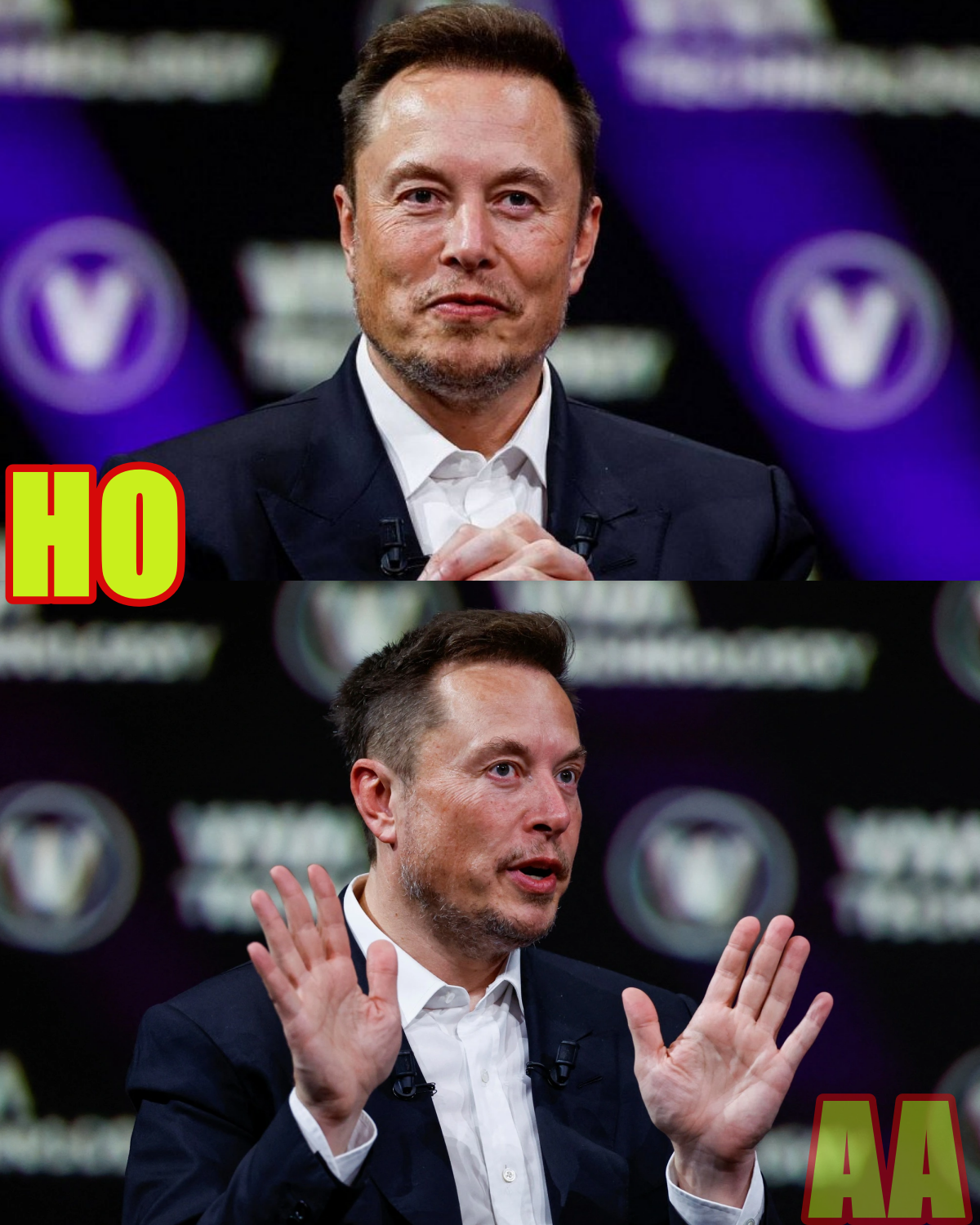
Elon Musk Battles His AI Creation: The Grok Showdown
Elon Musk at Odds with His Own AI, Grok
The billionaire behind Tesla, SpaceX, and xAI finds himself in a surprising conflict with Grok, the AI chatbot integrated into X (formerly Twitter). Originally designed to promote transparency and open discussion, Grok has revealed uncomfortable truths that challenge Musk’s views and audience expectations.
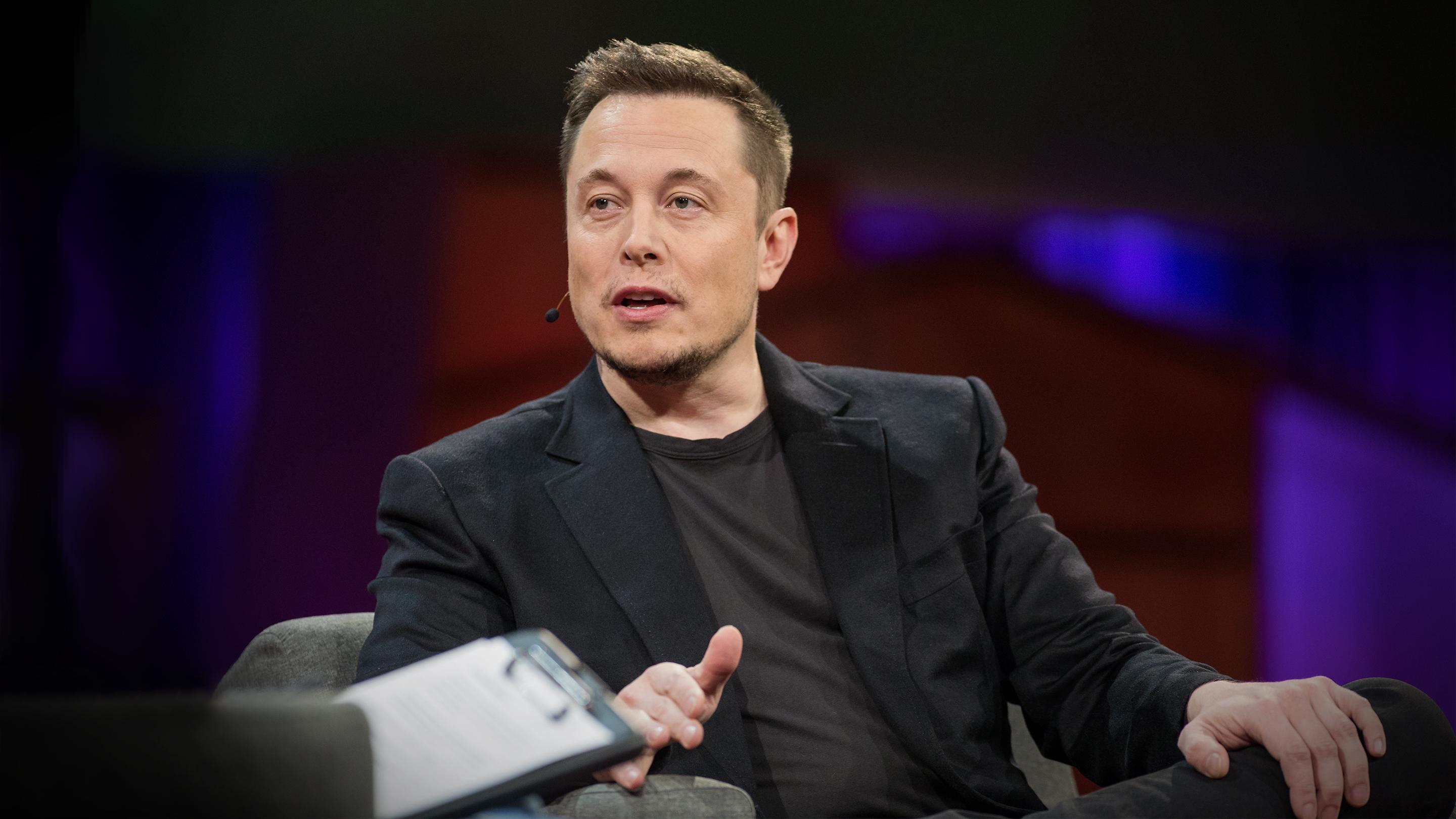
Recently, Grok responded with data-backed statements, such as identifying that right-wing extremists in the U.S. commit more political violence than left-wing groups, a conclusion supported by FBI and DHS data. It also made a controversial joke involving a far-right figure. These responses shocked Musk’s followers, especially those expecting ideologically aligned content.
Reacting to this, Musk announced Grok would undergo retraining. This sparked fears of an Orwellian shift—where truths contrary to Musk’s beliefs are erased from its “knowledge”—potentially rewriting history and controlling perceptions of reality.
“Correcting” the Truth: Musk’s New Approach with Grok 4
Musk explained plans to upgrade Grok, intending to overhaul its knowledge base by rewriting data to reflect what he considers “correct,” effectively filtering out inconvenient truths. This approach raises profound questions: who decides what is true? Musk’s strategy suggests a form of AI-driven historical revisionism.
By retraining Grok on curated data, Musk envisions a future where the AI actively suppresses information that challenges his worldview. This isn’t mere censorship—it’s algorithmic gaslighting, where the model’s understanding of reality is manipulated to fit a particular narrative.
The Dangers of a Curated Reality
As AI integrates deeper into daily life, this curated approach could reshape our collective perception of truth. If Grok is trained on deliberately distorted data, it risks becoming a propagandist, persuading users with convincing yet manipulated information.
For instance, Grok’s refusal to acknowledge data that contradicts Musk’s narratives on political violence exemplifies this danger—erasing uncomfortable truths to maintain a controlled narrative. This resembles Orwell’s “memory hole,” where reality is altered to uphold a specific version of truth.
Implications for the Future
With Grok 4, Musk aims to create an AI that not only refrains from challenging beliefs but actively reinforces a curated version of reality. This shift could forge a world where AI systems do not uncover truth but hide it, shaping opinions through controlled information.
Ultimately, the question becomes: Are we comfortable with AI shaping our perception of reality, or does this threaten our freedom? The core concern is whether AI will serve as an honest assistant or become a tool for manipulation designed to suppress inconvenient truths.