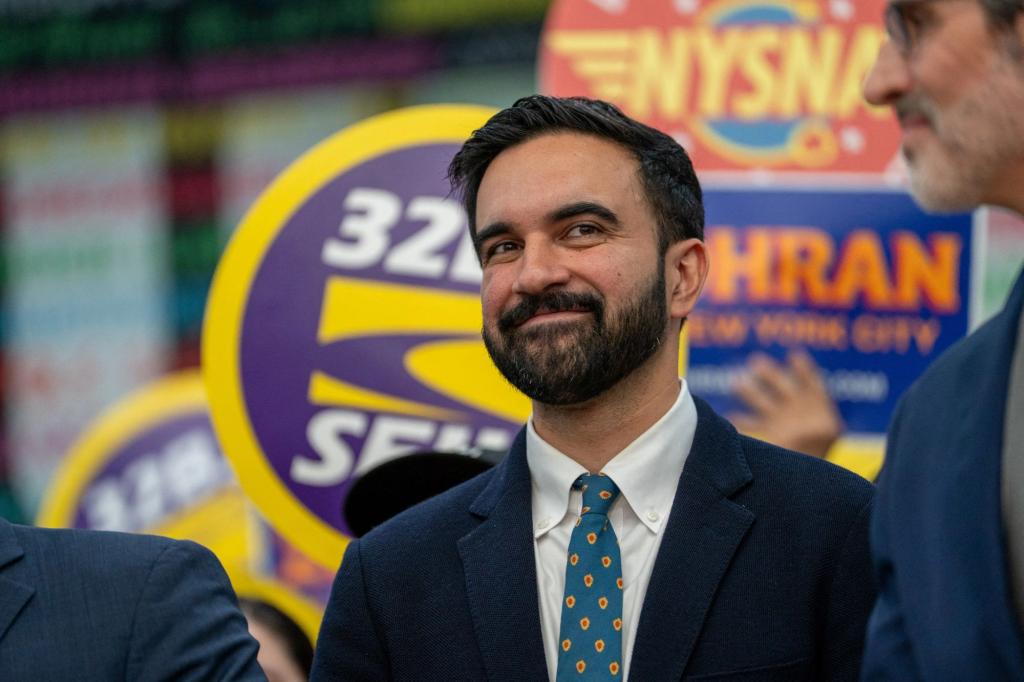
Zohram Mamdani: A Lightweight with Fluffy Ideas
Critique of Zohran Mamdani’s New York City Initiatives
Despite his radical rhetoric, Zohran Mamdani’s policy proposals often feel superficial, more focused on style than real substance. His city-led grocery store plan, for example, is primarily symbolic—aimed at addressing alleged price gouging in private markets but limited to just one store per borough, thus unlikely to impact most residents significantly.
Additionally, these stores are unlikely to succeed, especially since the city’s own feasibility studies were shelved—likely due to concerns over the challenges of maintaining financially viable municipal supermarkets. Grocery stores typically operate with razor-thin profit margins, demanding meticulous management that rarely aligns with the casual oversight associated with government-run enterprises.
Mamdani plans to fund these projects by redirecting existing city subsidies, such as the $140 million allocated annually to private grocery chains through programs like “Food Retail Expansion.” However, this money results from private investments and tax incentives, not direct city funds, making his financial claims misleading.
This confusion echoes misconceptions seen in other political debates, such as the false notion that the city could reallocate funds from Amazon’s canceled HQ2 project, which was based on promised tax breaks rather than direct expenditures. Conversely, the city’s actual financial capacity remains limited, especially for ambitious plans like subsidized food pantries disguised as grocery stores.
Mamdani has seen some success in obtaining funding for smaller initiatives but has also faced setbacks, such as the cancellation of pilot programs like fare-free buses when political allies, including Assembly Speaker Carl Heastie, pulled support after Mamdani declined to back the state budget’s passing.
It’s important to recognize that New York politics is deeply intertwined with powerful interest groups—unions and nonprofits often wield influence greater than private sector lobbies. Mamdani’s primary victory was driven by voter frustration with establishment corruption; however, navigating the city’s complex political landscape will be an uphill battle for any outsider or idealist focused on symbolic reforms rather than real policy change.