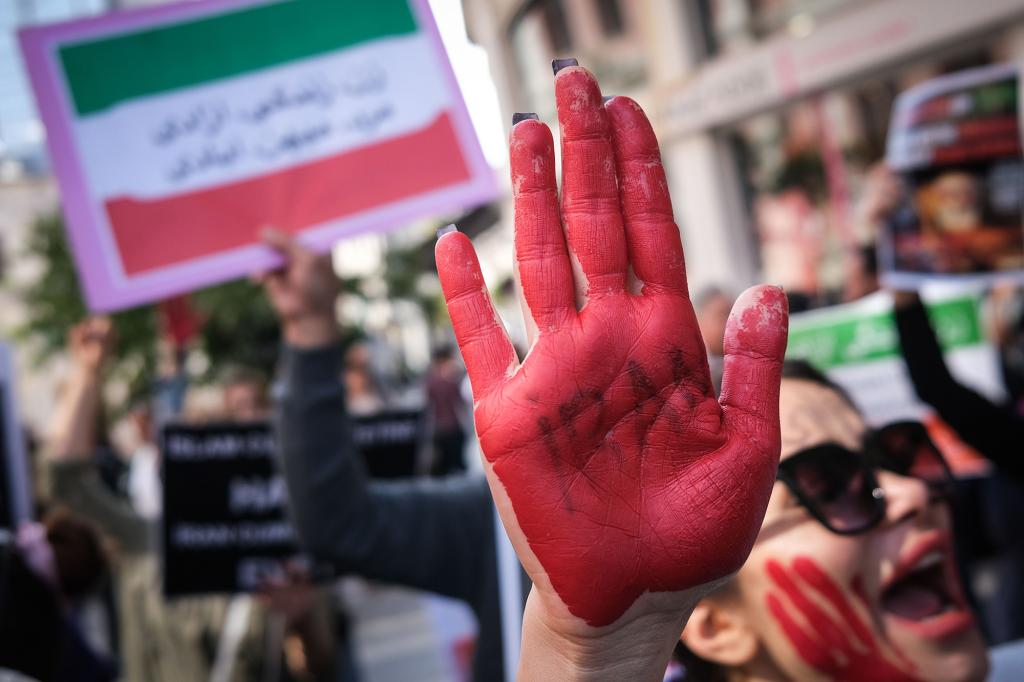
Iranians Brave Uncertain Future: Between Horror and Hope
Iranians Call for Change Amid Deepening Crisis
An Iranian woman, masked in a black head covering with only her eyes visible, has made a powerful plea for help. In a viral video, she explains that Iran did not choose this war and does not support it, but feels protected and cared for by Israel. She expresses fear of her own regime, stating, “We are hostages here,” and calls for international assistance, emphasizing that their fear is from their leaders, not Israel or the US.
Numerous Iranians have shown solidarity with Western nations attempting to halt Iran’s nuclear ambitions. Surprisingly, a wave of nationalistic support did not spread during the recent conflict with Israel. One anonymous voice in another video states, “We haven’t done it and we will not do it because this is not our flag.”
Experts highlight a stark disconnect between the desires of the Iranian people and their government. Karim Sadjadpour, senior fellow at the Carnegie Endowment for Peace, notes that the populace aspires to be South Korea—prosperous and free—while the regime resembles North Korea, clinging to oppressive measures. Despite internal opposition, the regime remains unstable, with high levels of economic frustration and widespread blame on corruption and inefficiency.
Meanwhile, Israeli Prime Minister Benjamin Netanyahu has actively reached out to Iranians, clarifying that Israel opposes the regime, not the Iranian people. During the conflict, he called on Iranians to pursue their quest for freedom, positioning Israel as a potential ally.
However, the situation remains tense. Regime crackdowns on minorities and dissenters have intensified since the conflict began, with reports of arrests and executions—an echo of past oppressive strategies designed to maintain control. Many Iranians are choosing to leave the country, with an estimated 180,000 migrating annually in 2019, leading to a significant “brain drain” that damages Iran’s economy. The leadership dismisses exiles as traitors, epitomized by the statement that “brain escape” is simply treachery.
Some hopeful voices believe the regime’s brutality will eventually lead to its downfall. Reza Pahlavi, a prominent exiled figure, has announced plans for a summit aimed at democratic reform, signaling that opposition persists. Yet, many Iranians remain cautious, fearing further repression. A young protester in hiding worries about being identified and punished for speaking out, illustrating the pervasive climate of fear.
Despite the hardships, a masked woman in her final plea urges the world to assist Iranians before the wounds inflicted by their rulers deepen, threatening the stability of the region and beyond.