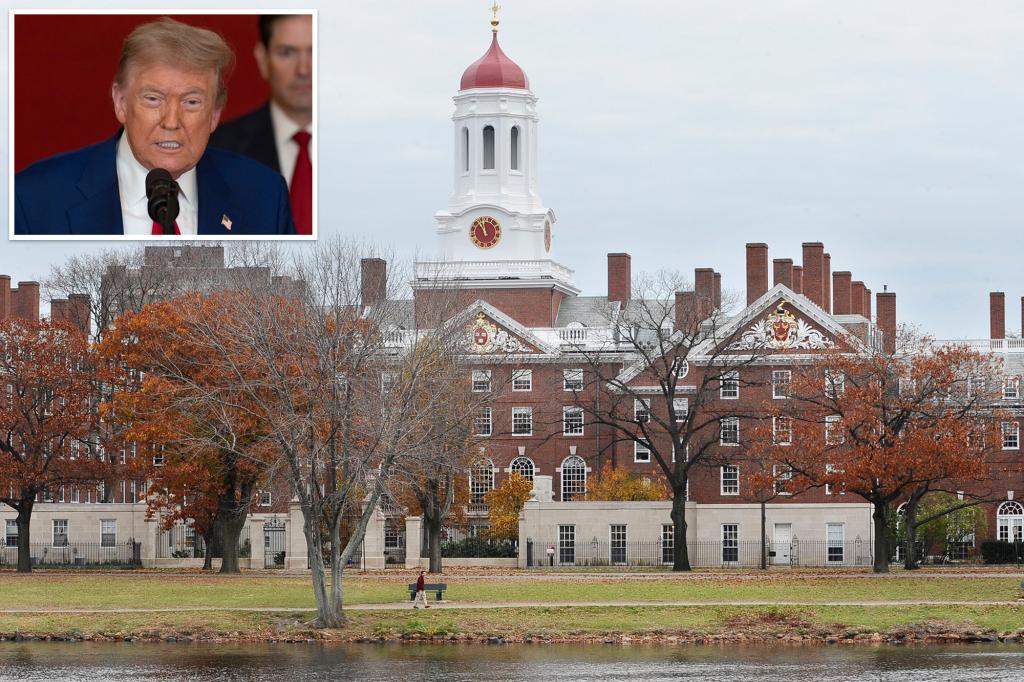
Harvard’s Fight with Tr:um:p Could Cost $1 Billion Annually
Harvard Faces Potential $1 Billion Revenue Loss Due to Federal Funding Cuts
Harvard University’s ongoing defiance against the Trump administration’s demands to address campus antisemitism could result in a loss of up to $1 billion annually in federal grants and research funding. In response to the threat, the university is appealing to major donors for additional support to offset these financial impacts, which could jeopardize its ability to sustain its $6.4 billion yearly operating budget.
The university’s substantial $53 billion endowment, while significant, isn’t a quick fix. Over 80% of these funds are restricted by donors, making it difficult for Harvard to freely access this money without risking legal challenges. Meanwhile, Harvard has been actively soliciting investments from wealthy contributors, such as a recent $19 million donation from billionaire Len Blavatnik to support research at Harvard Medical School.
Recent political actions have intensified pressure: President Trump has frozen approximately $3.2 billion in contracts and grants, including around $700 million annually in federal research funds, citing concerns over campus antisemitism and the university’s handling of related issues. The Trump administration has also warned Harvard that it risks losing all federal financial resources following a report detailing the hostile environment faced by Jewish students and staff.
In addition to funding threats, Harvard faces potential consequences like the loss of its tax-exempt status, which could lead to reduced donations and a hefty property tax bill. Congress increased the tax on the university’s endowment to 8%, adding about $200 million in taxes per year.
To cope with the financial strain, Harvard has implemented cost-saving measures, including hiring freezes, layoffs, and department budget cuts. Despite a $45 million surplus in 2024 and reserves of $3 billion, the university has also borrowed $750 million to cover shortfalls and reserved an additional $250 million for lost research income.
Experts warn the ongoing battle with the federal government poses a significant threat: failure to secure a resolution could cause lasting damage to Harvard and American higher education as a whole.