Mom, Apple Pie & Savannah Bananas: America’s Best!
The Savannah Bananas Revolutionize Baseball with Banana Ball
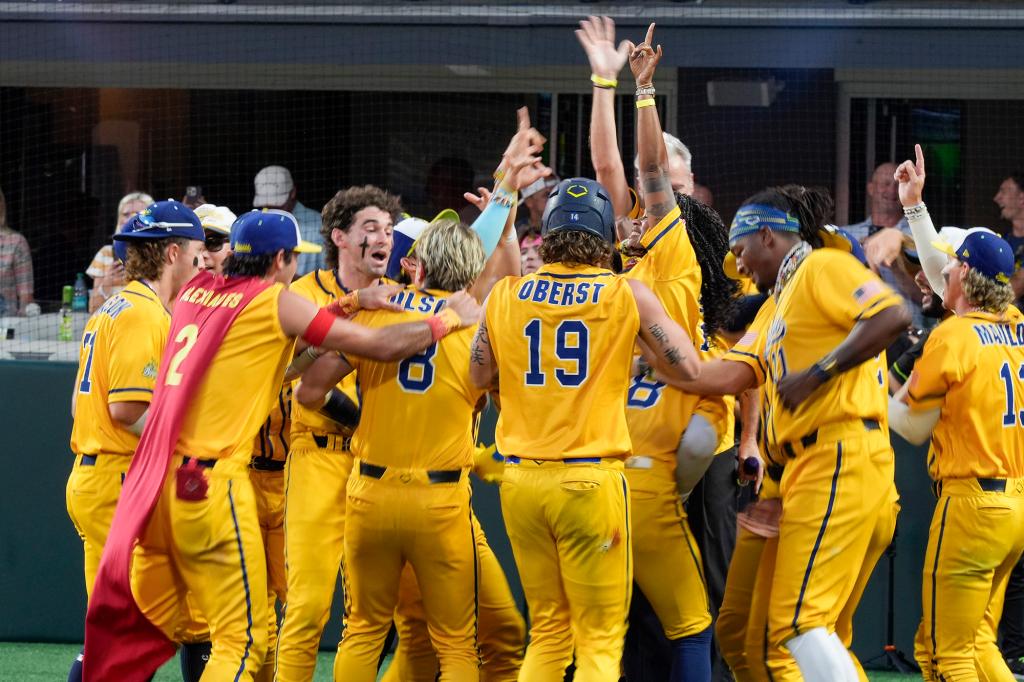
While Major League Baseball considers rule changes, a more radical approach to improving the sport has gained popularity through the Savannah Bananas, a barnstorming team known for their entertaining and unconventional version called Banana Ball.
In April, the team packed Clemson University’s Memorial Stadium with 81,000 spectators—more than many professional games—highlighting the appeal of their flamboyant style. Tickets for upcoming games at Yankee Stadium are selling at premium prices, reflecting their growing fanbase.
Banana Ball incorporates elements of showmanship reminiscent of the Harlem Globetrotters, encouraging dancing, trick catches, and playful antics during games. The team, originally part of the Coastal Plain League, transitioned to all-exhibition games after their modified, entertainment-focused contests proved more popular than traditional baseball.
Banana Ball shatters conventional baseball norms: bunting is banned (any attempt results in ejection), and walks are played differently—after a walk, all fielders must touch the ball before the batter can be tagged out, encouraging runners to hustle.
Additionally, the game is fast-paced and timed, lasting no more than two hours, with no mound visits or batters stepping out of the box. Fans are an active part of the game, and if one of them catches a foul fly, the batter is out, turning spectators into the “tenth fielder.”
This style emphasizes speed, continuous entertainment, and viral moments, especially on social media. Kids and casual fans are particularly drawn to Banana Ball, which democratizes and modernizes the sport without dismissing its traditions.
While it doesn’t aim to replace traditional baseball, Banana Ball serves as a lively, fun extension of the game, demonstrating how baseball can adapt to contemporary tastes. Abner Doubleday’s original vision of baseball didn’t account for spectacles involving music and trampolines, but perhaps that’s part of the sport’s ongoing evolution.