$320B AI Revolution: Create Ultra-Realistic Videos—But Could It Also Destroy Us?
AI-Generated Fake Images and Videos Raise Concerns
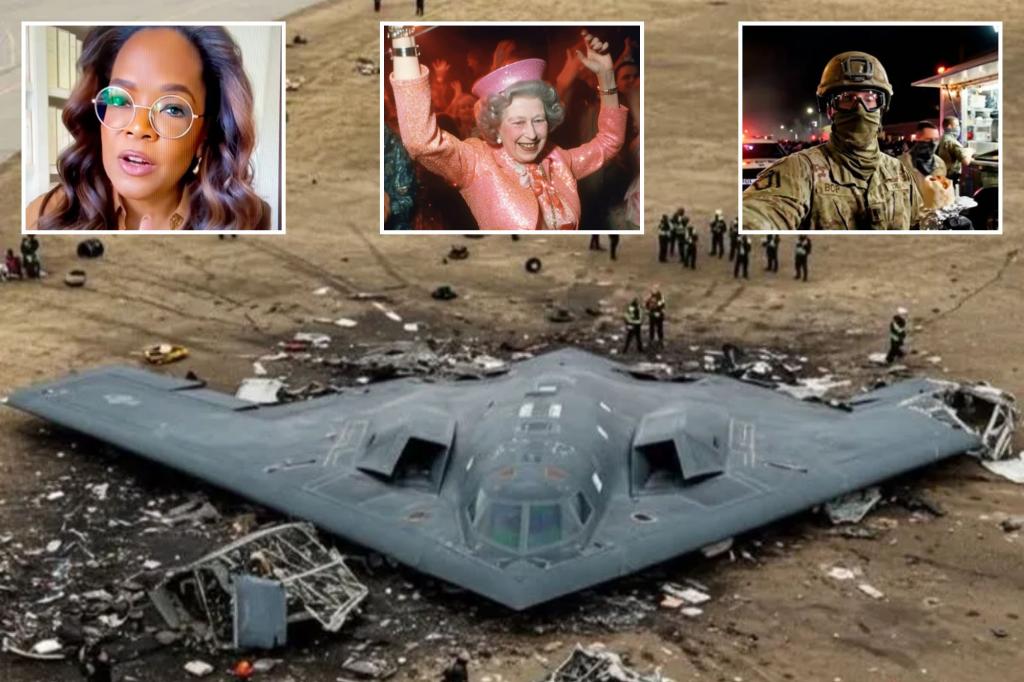
Recent circulations of manipulated imagery have cast doubt on claims of a seamless military operation targeting Iran’s nuclear facilities. An altered photo depicted a B-2 bomber crash site, surrounded by emergency responders, but close inspection revealed obvious digital tampering, such as an emergency worker unnaturally blended into the background, indicating it was created by artificial intelligence.

Similarly, an AI-made picture showed Iranian soldiers beside a downed B-2 jet, but the soldiers were disproportionately larger compared to the aircraft, further exposing the images’ fabricated nature. These digital forgeries, especially prevalent during recent protests, often aim to incite outrage or manipulate public perception.

Experts warn that as AI tools become more sophisticated, detecting fake content will grow harder. Gary Rivlin, author of “AI Valley,” explains that AI can now produce nearly indistinguishable fakes, raising concerns over societal trust and the potential for misinformation. Rivlin emphasizes that AI’s dual-use nature means it can be harnessed for both good—such as advances in medicine where Microsoft claims its AI diagnoses diseases four times more accurately than doctors—and for malicious purposes.
AI’s reach extends to political videos, advertisements, and even conversations with bots pretending to be deceased personalities, creating new challenges for truth verification. Rivlin warns society must develop effective detection methods to counteract this digital deception, as the technology continues to evolve rapidly.
While AI offers promising benefits, including scientific breakthroughs and industry automation, the risks of misuse and privacy violations remain significant. The question remains: are we prepared to navigate a future where distinguishing reality from fake becomes increasingly difficult?