NYC Mayor Can’t Fully Freeze Rents, but Has Major Impact
Controversy Over Rent Freeze in NYC Ahead of Election
The proposal to freeze rents in New York City faces significant challenges, as the city’s Rent Guidelines Board — appointed entirely by the mayor — recently approved an increase in rent-stabilized apartments. The nine-member body voted to raise rents by at least 3%, contrary to the current mayor’s push for lower rent hikes.
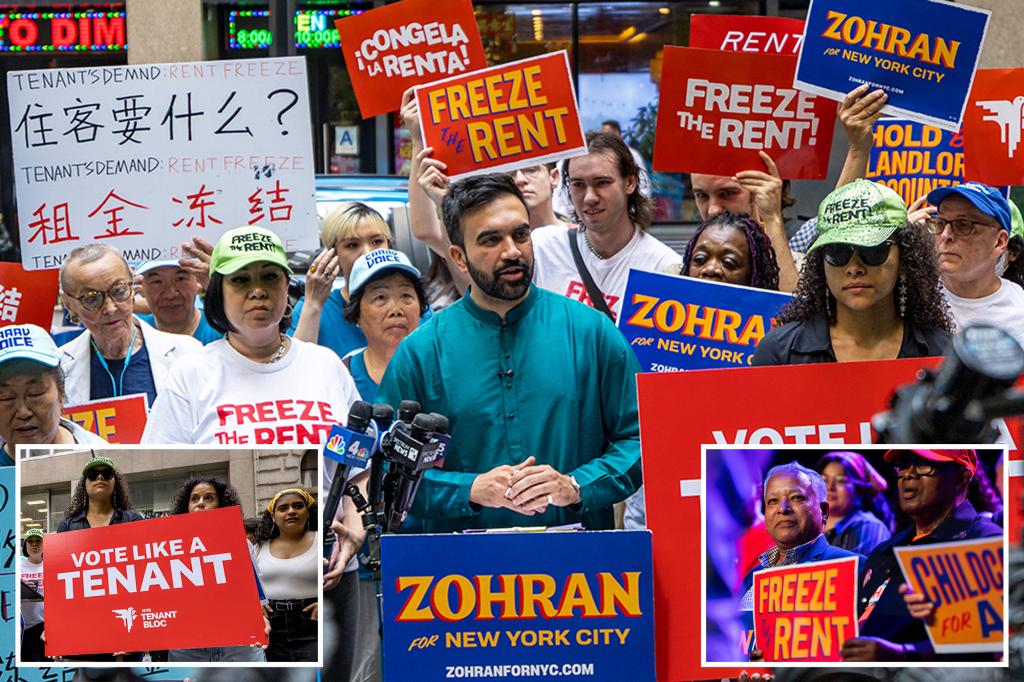
Many residents and advocates support a rent freeze to ease the financial burden on tenants. One such advocate, a mayoral candidate known for his tenant-friendly stance, has campaigned on the promise to freeze rents for rent-stabilized units. Although initially emphasizing this pledge during his campaign, he has since mostly avoided specifying that it applies only to rent-stabilized housing, which makes up about a third of the city’s housing stock.
The mayor wields influence over the Rent Guidelines Board, which must balance affordable housing with landlords’ needs. Historically, rent freezes are rare; during former Mayor Bill de Blasio’s administration, rents were frozen three times, with only a slight overall increase of 6.75% over his tenure. De Blasio aimed to shift the board’s approach toward tenants’ interests but acknowledged the mayor’s significant role in its decisions.
Experts warn that implementing a rent freeze could backfire, potentially leading to higher costs for market-rate tenants and small business landlords, as property owners seek to offset lost income. Some fear that if landlords cannot afford repairs, they may raise rents further to cover maintenance costs, causing a ripple effect across the housing market.
Many critics argue that a rent freeze could harm property conditions and reduce the city’s housing quality, especially in mixed-use buildings. While the mayor’s plans include initiatives for faster development of affordable units, proponents of rent stabilization remain cautious about policies that could destabilize the existing housing market and intensify financial stress on landlords and tenants alike.