Deadly Disease Ravages Rocky Mountain Bats—Find Out the Shocking Truth!
White-Nose Syndrome Detected in Bats at Rocky Mountain National Park
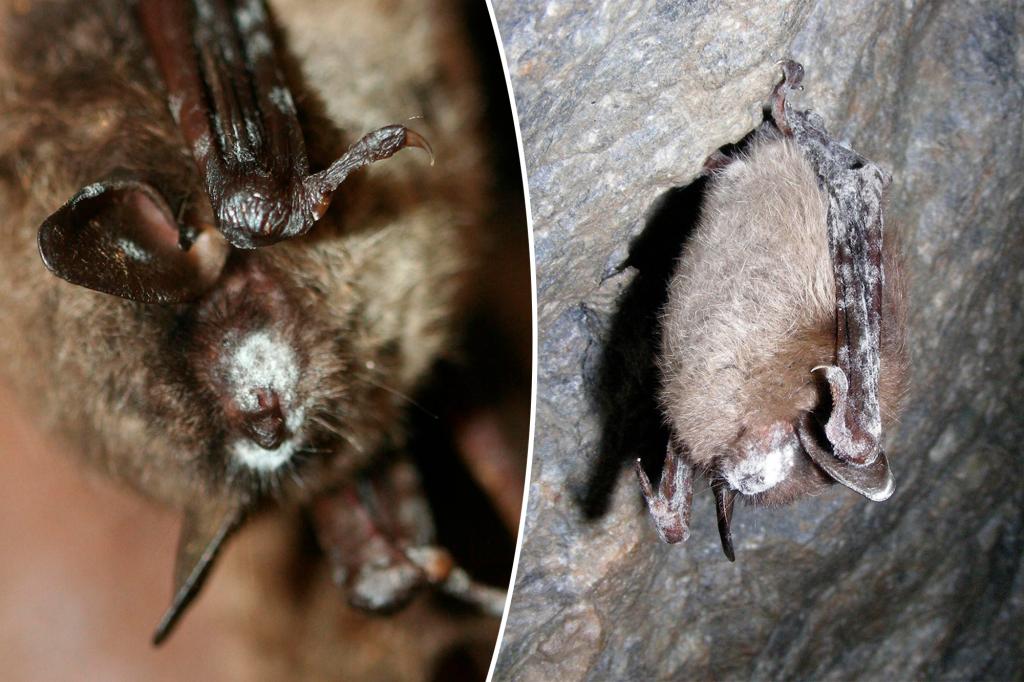
Recently, three long-legged bats exhibiting signs of a deadly disease were discovered within Rocky Mountain National Park. The disease, known as white-nose syndrome, is caused by the fungus Pseudogymnoascus destructans (Pd). The fungus can cause outbreaks where affected bats develop a white nose, especially noticeable during hibernation, and may lead to unusual behaviors like daytime activity.
All three infected bats were found on different sides of the park. These particular bats are identified as long-legged species. The fungus favors damp, dark environments such as caves and spreads rapidly bat-to-bat, threatening local populations. While humans cannot contract WNS directly, there is concern about the potential spread of the fungus through human activity.
This marks the first confirmed cases of white-nose syndrome in Grand County. The National Park Service emphasizes the importance of reporting any dead or injured bats to park authorities and advises visitors not to touch or handle them.

Though WNS does not affect humans directly, some bats can carry rabies, a disease that is fatal if symptoms appear. Since its first detection in New York in 2006, white-nose syndrome has been linked to millions of bat deaths nationwide, jeopardizing the ecological roles bats play in the environment.
Rocky Mountain National Park hosts nine bat species that are integral to the park’s health. Protecting these bats is essential, and visitors are encouraged to stay vigilant, report any suspicious bat activity, and follow guidelines to prevent disease spread.
For more information about white-nose syndrome and its impact on bats, visit whitenosesyndrome.org.