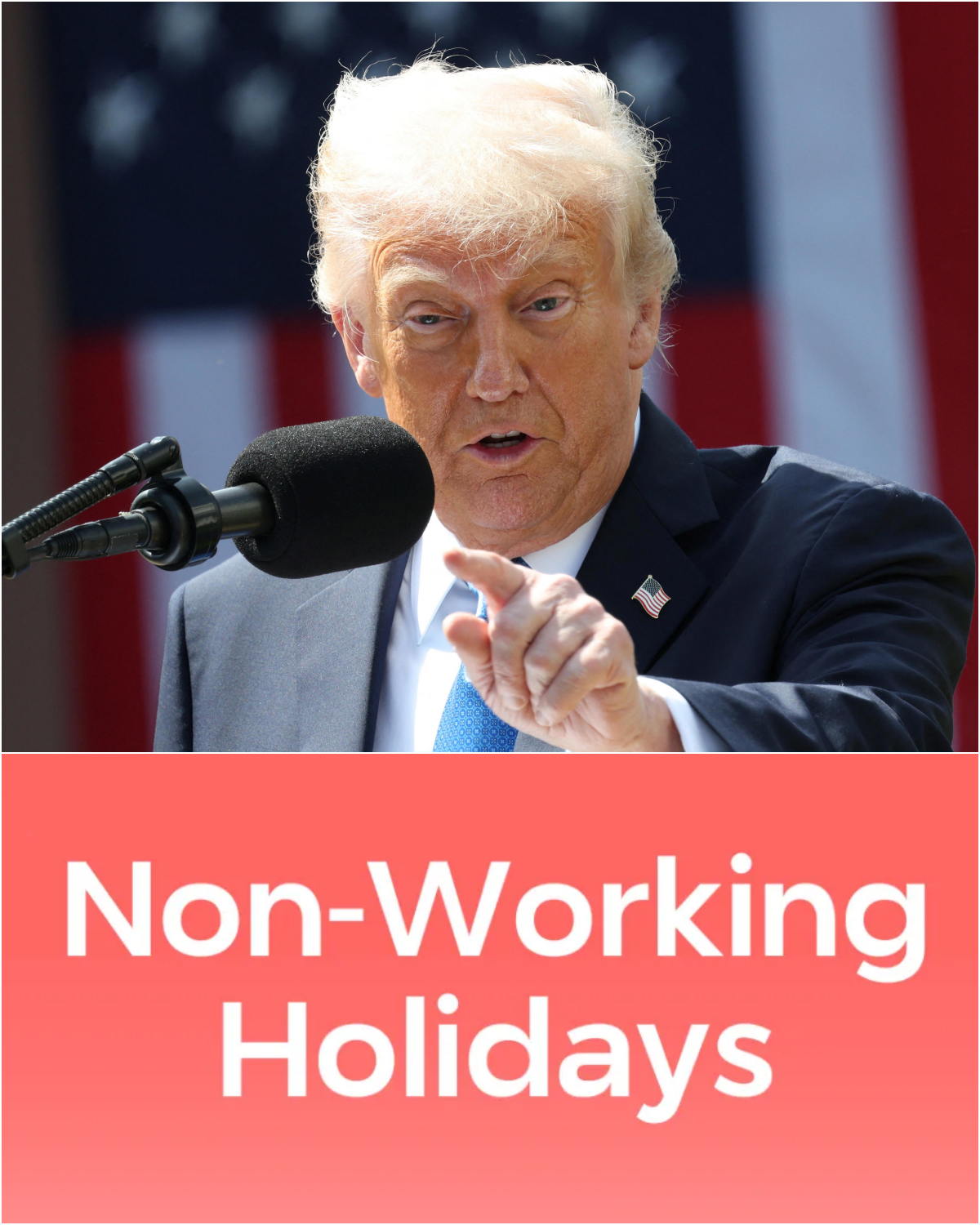
Tr:um:p Sparks Outrage by Calling Juneteenth a ‘Non-Working Holiday’ — What’s Really Behind the Comments?
President Trump Criticizes Number of Non-Working Holidays on Juneteenth
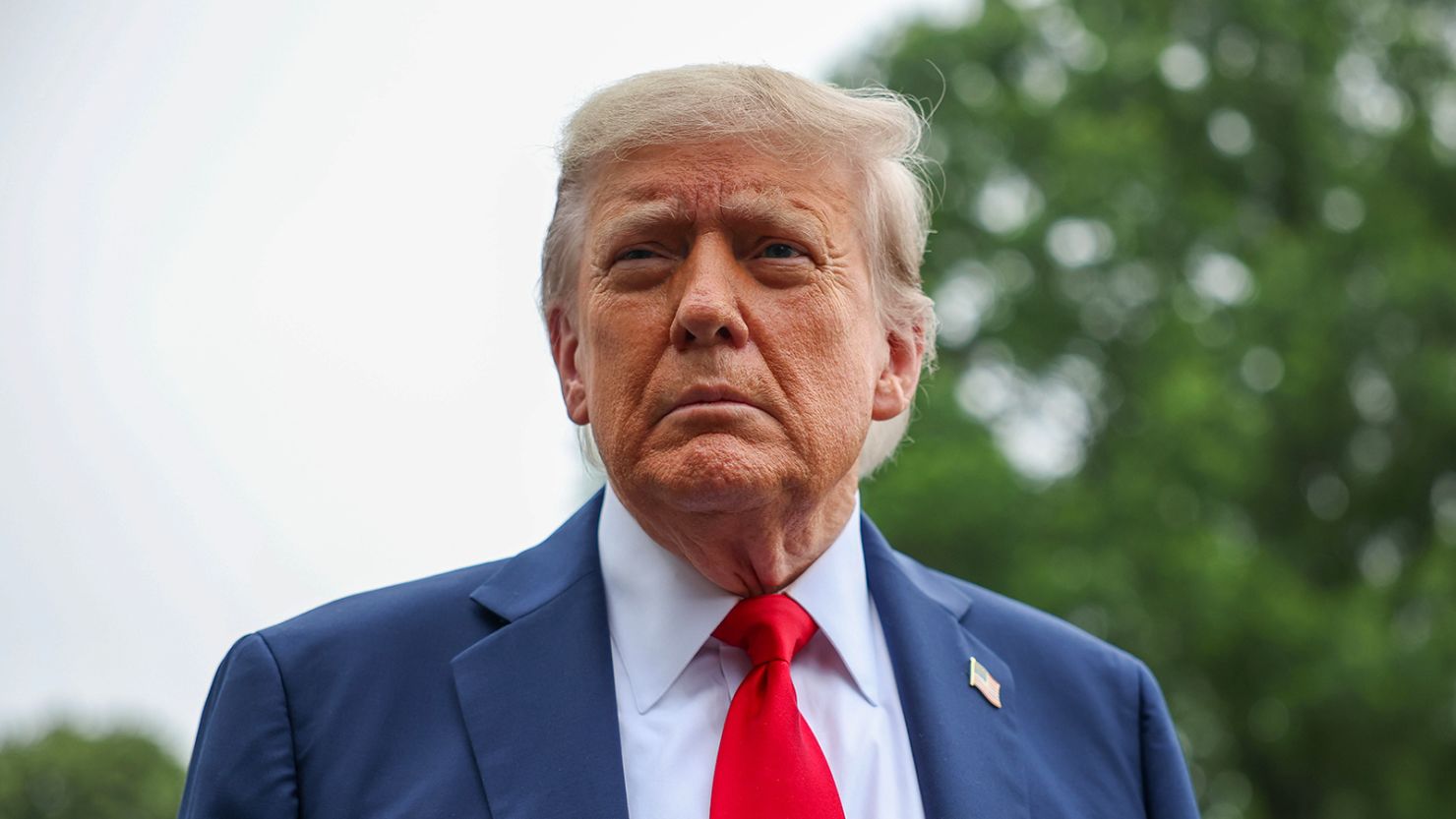
On Juneteenth, a national holiday marking the emancipation of enslaved African Americans, President Donald Trump sparked controversy by criticizing the increasing number of non-working holidays in the United States. Via his Truth Social account, he stated, “Too many non-working holidays in America. It is costing our Country billions of dollars to keep all of these businesses closed. The workers don’t want it either! Soon we’ll have a holiday for every working day of the year. It must change if we are to MAKE AMERICA GREAT AGAIN!”
His remarks ignited immediate debate on social media, especially given the significance of Juneteenth as a day commemorating the end of slavery. The holiday commemorates June 19, 1865, when Union troops arrived in Galveston, Texas, to inform enslaved people of their freedom—more than two years after the Emancipation Proclamation was signed.
During a White House press briefing, Press Secretary Karoline Leavitt noted that Trump was unlikely to acknowledge the holiday formally, saying, “I’m not tracking his signature on a proclamation today. I know this is a federal holiday — I want to thank all of you for showing up to work. We are certainly here, working 24/7.”
Meanwhile, President Joe Biden addressed the holiday at a historic Black church in Galveston, emphasizing the importance of federal holidays in reflecting American values: “Our federal holidays say … who we are as Americans. What we celebrate says what we value.”
Trump has previously taken credit for raising awareness of Juneteenth, claiming in 2020 that “nobody had ever heard of it,” amid nationwide protests following George Floyd’s death. Although he pledged to make Juneteenth a federal holiday during his 2020 campaign, it officially became one in 2021 under President Biden.
Since his reelection, Trump has also focused on reducing diversity and inclusion programs within the federal government. His recent comments reignite discussions about balancing the recognition of America’s history with economic priorities, keeping him at the center of national debates on identity, values, and progress.