Forest Hills Garden Sues City Over Street Takeover During Concerts
Residents Sue NYPD Over Private Street Takeover During Concerts
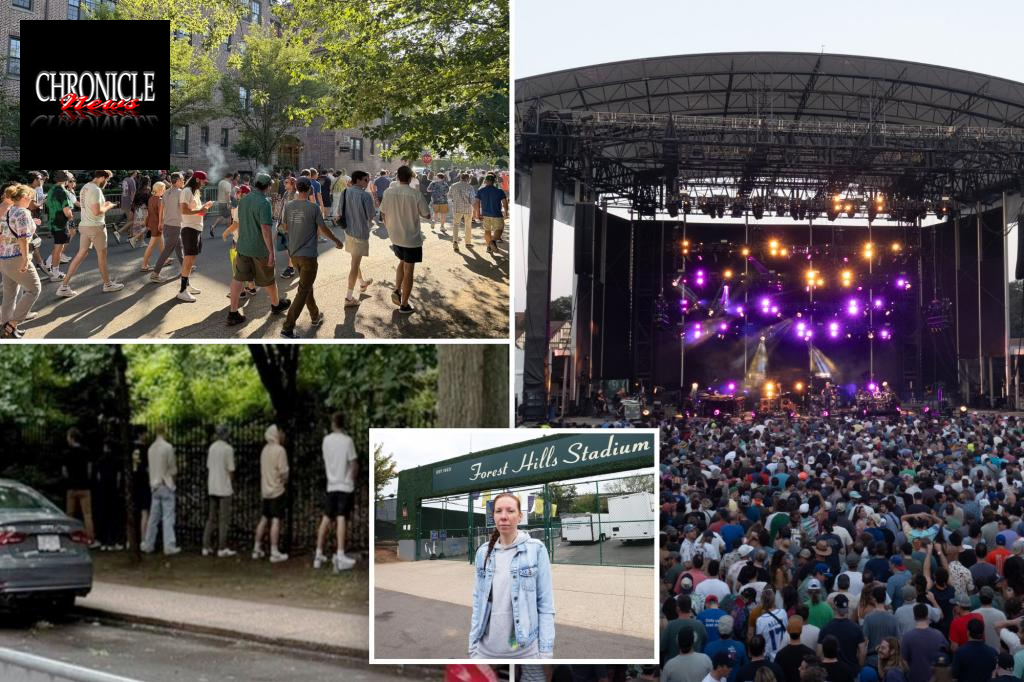
Residents of Forest Hills are escalating their dispute over the neighborhood’s concert hall by filing a federal lawsuit against the city, claiming that the NYPD unlawfully seized control of private streets on over 30 concert days this summer. The Forest Hills Garden Corporation (FHGC), representing nearly 4,000 members, alleges that the city confiscated their property without proper compensation to facilitate the operations of Forest Hills Stadium, which extensively profits from the events.
According to lawyer Katherine Rosenfeld, the issue isn’t just with the stadium but with the city taking property without paying for it. The residents seek damages for the alleged illegal takings, which could amount to millions. The core complaint focuses on the NYPD’s complete blockade of private roads, denying homeowners access to their properties and even preventing an elderly woman from reaching her home after she was injured when she tripped during a concert night.
Residents report significant disturbances, including litter, noise, public drinking, urinating on private blocks, and destruction caused by concert-goers. The lawsuit highlights the additional costs incurred for cleanup and damage repairs. Many homeowners have chosen to avoid the chaos by staying elsewhere, and some have expressed frustration over the disruptions forced upon them by an arrangement they see as unfair and unregulated.
The NYPD has not commented directly on the lawsuit but maintains that its officers only patrol public streets, not private property. Residents like Jenna Cavuto, a Long Island teacher, complain about the inconvenience and safety risks, citing blocked access and security checkpoints that hinder daily life. Cavuto emphasizes her confusion and dissatisfaction with a system where private businesses seem to control community life.
This lawsuit is the third filed by residents opposing the stadium’s activities, following allegations of noise violations and environmental code breaches. While supporters claim the concerts boost local revenue and adhere to noise restrictions, opponents believe that the community’s quality of life has been severely impacted, prompting legal action to protect their rights over private property.