Trump’s Layoffs Harm Disabled Kids
Mass Layoffs at Department of Education Threaten Funding for Students with Disabilities

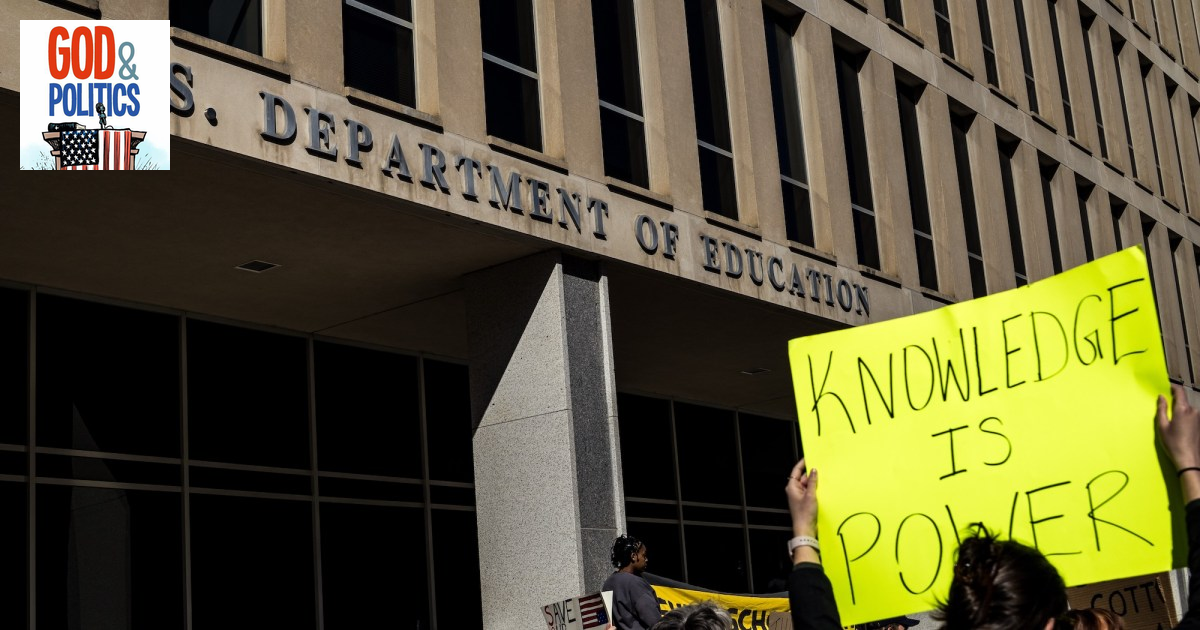
Almost all senior staff in the Department of Education’s Office of Special Education Programs (OSEP) received layoffs last Friday, part of a broader wave that affected approximately 460 employees—about 20% of the department’s workforce. This mass reduction is particularly alarming given OSEP’s crucial role in distributing funds for special education.
OSEP oversees the allocation of federal money tied to the Individuals with Disabilities Education Act (IDEA), which supports roughly 7.5 million students with disabilities on IEPs. While the federal government is responsible for up to 40% of these costs, actual funding often hovers around just 13%. Despite this shortfall, the department allocated around $15 billion in 2024 to states for special education support.
One anonymous employee involved in IDEA funding expressed shock over the layoffs, emphasizing that no contingency plans are in place for distributing funds to states and districts. Concerns are mounting that these personnel cuts could hinder the timely delivery of essential funds, potentially violating federal obligations.
Though Education Secretary Linda McMahon previously stated that funding for disabled students would be protected even amid department restructuring, recent developments cast doubt on that assurance. Experts warn that without adequate staff, the distribution system may break down, leaving students without necessary resources. “This is a legal violation,” said special education attorney Michael Gilberg, referencing the obligation to fund states properly.
In addition to funding concerns, the layoffs threaten ongoing compliance activities, including monitoring how states support students with disabilities. Previously, the department canceled grants supporting services for Deaf-Blind students, though funding was later restored after advocacy efforts. Legislation in Congress aims to reinforce funding for IEPs, but effective implementation depends on sufficient administrative support.
Advocates highlight that without proper staffing, even legally guaranteed services may become inaccessible, underscoring the need for stable government funding to fulfill commitments to children and families with disabilities.