NASA Exits ISS in 2030, Launching Commercial Space Stations
Preparations for the End of the International Space Station
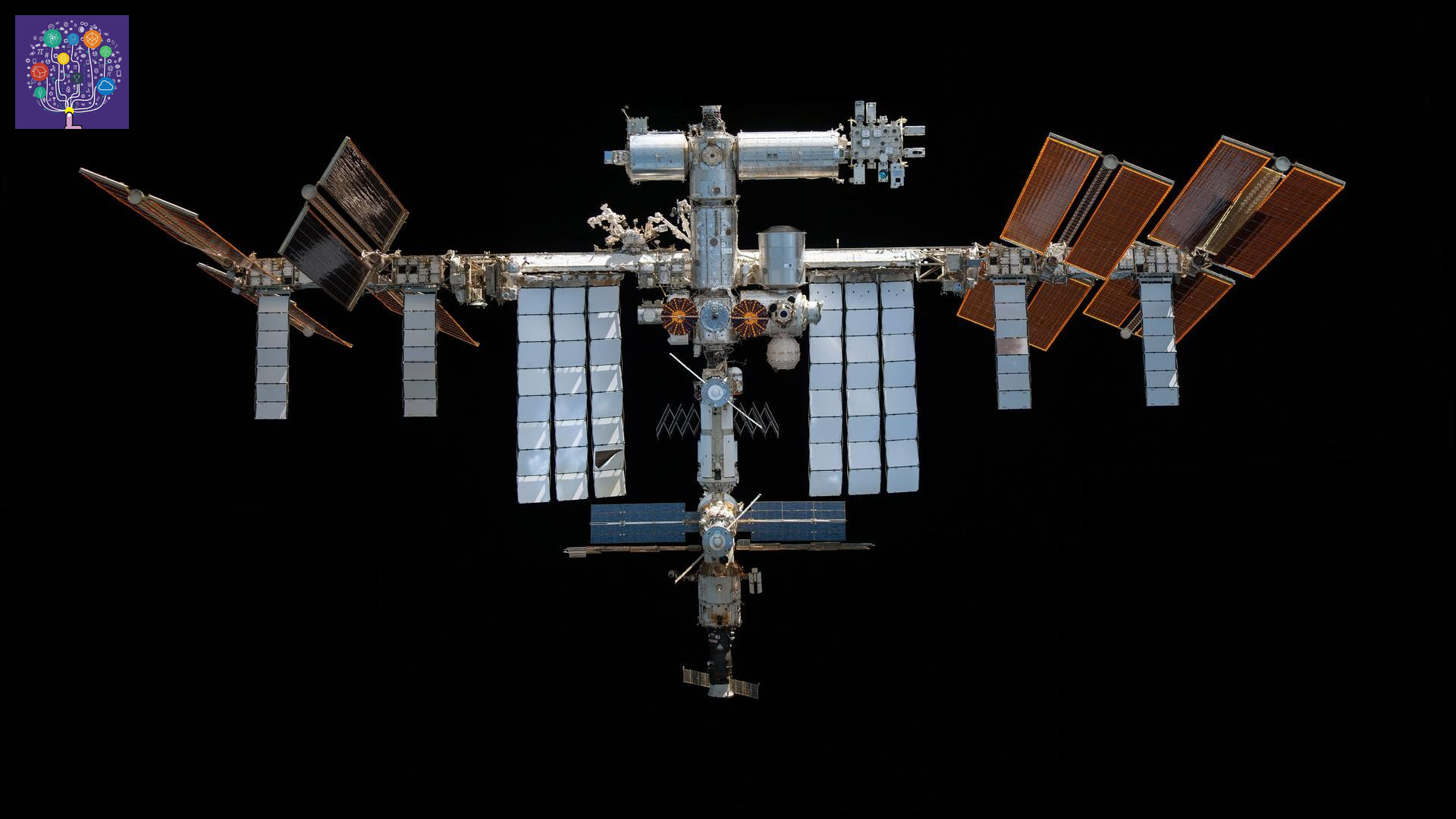
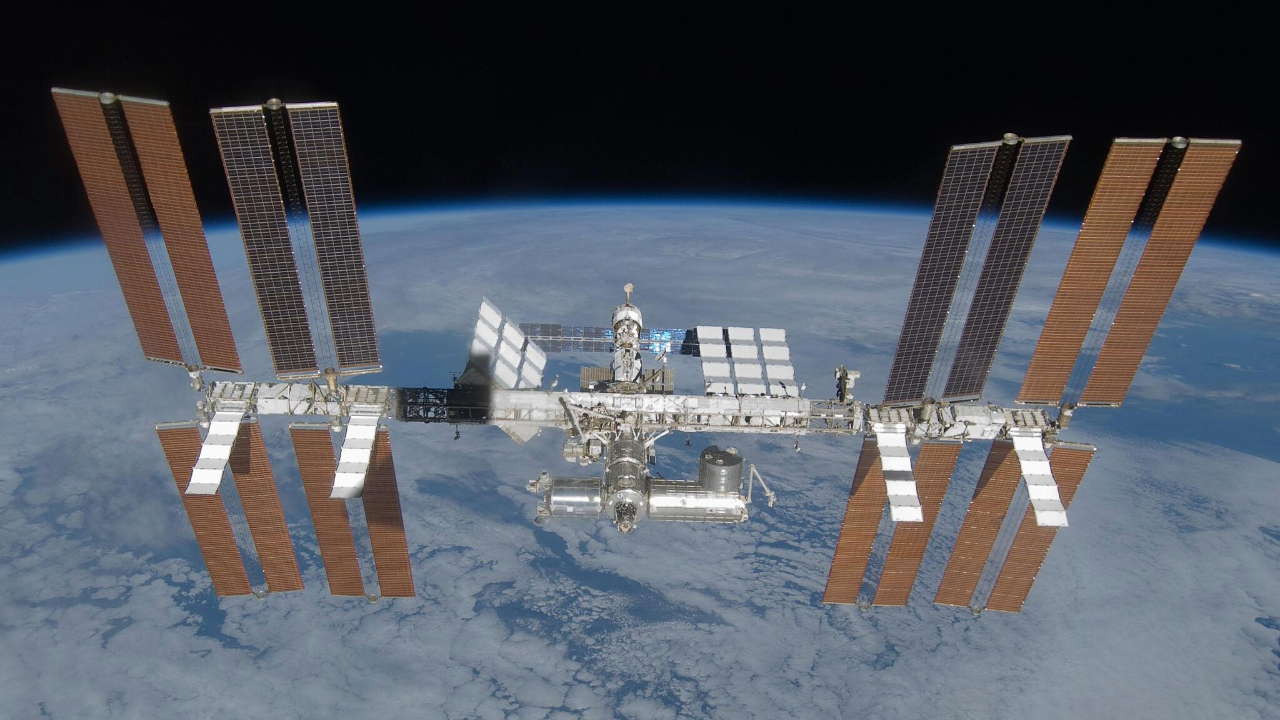
Since November 2000, NASA and its partners have maintained a continuous human presence in low Earth orbit, primarily on the International Space Station (ISS). This achievement stands as one of humanity’s most remarkable feats, symbolizing international cooperation among the US, Europe, Canada, Japan, and Russia. However, this phase is approaching its conclusion.
The ISS is scheduled to be decommissioned in 2030, after which it will be deorbited into a remote part of the Pacific Ocean. While the station’s retirement marks the end of an era, the space agency and its partners are planning to continue human activity in low Earth orbit. NASA has committed over US$400 million to develop private, commercial space stations to take over ongoing research and support missions beyond the ISS.
In December 2021, NASA announced initiatives aimed at fostering the growth of commercially operated space stations. Selected companies will receive funding to advance designs capable of supporting at least four crew members for 30 days, with the goal of certifying these stations for safety and operational use. Similar to current cargo and crew services, NASA intends to purchase missions aboard these stations, enabling continued scientific work in orbit.
Meanwhile, China’s Tiangong space station, inhabited for over four years, will continue to serve as the longest continually occupied orbital platform. It remains to be seen which companies will succeed in establishing viable commercial space stations, but efforts are well underway to extend human presence in orbit and sustain vital research activities.
As the era of the ISS concludes, the view of Earth from space remains breathtaking. Most nights, the ISS appears as a bright, silent point of light streaking across the sky — a symbol of human ingenuity and exploration. Looking up, we witness the legacy of decades of space exploration and the promise of future endeavors beyond our planet.