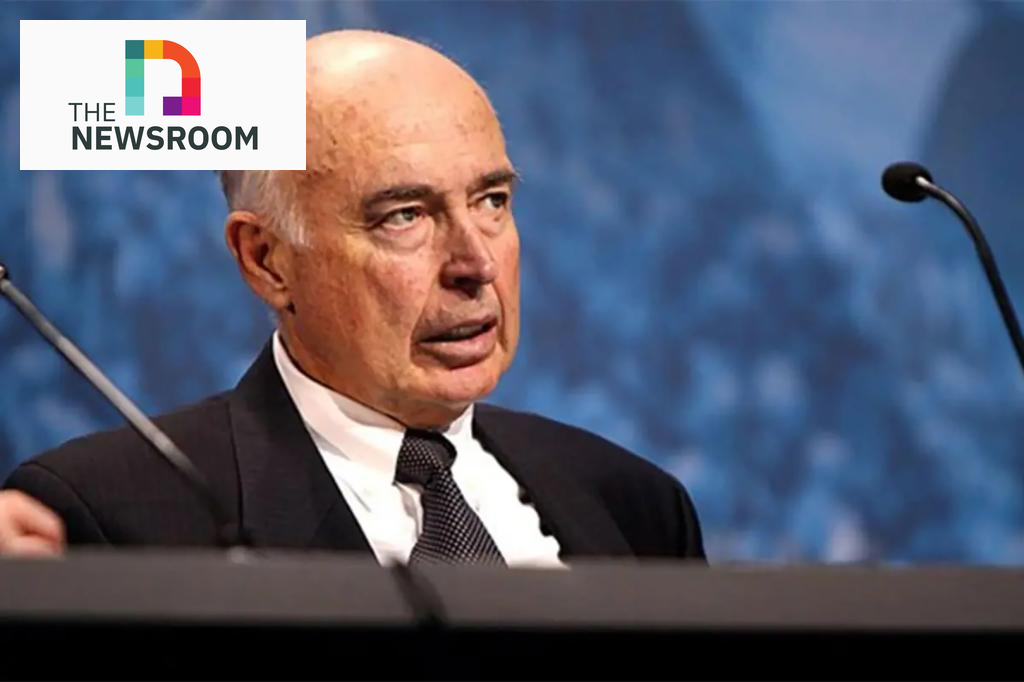
Angelo Codevilla: From Immigrant to MAGA Warrior
Legacy of Angelo Codevilla Remains Crucial in Today’s Strategic Landscape
In a time marked by ongoing conflicts abroad and internal political upheaval, a new book titled “Fighting Enemies Foreign and Domestic” highlights the enduring relevance of Angelo Codevilla’s insights. Though authored posthumously, the volume underscores the significance of his strategic thinking, especially amid recent global shifts such as Russia’s invasion of Ukraine, Hamas attacks on Israel, and political upheavals in the U.S.
Codevilla, a renowned international relations scholar who passed away four years ago at age 78, was instrumental in shaping America’s strategic approach. His advocacy for missile defense, rooted in Ronald Reagan’s Strategic Defense Initiative, emphasized the importance of space-based systems capable of intercepting nuclear missiles before they could cause catastrophe. Despite technical limitations—available systems only protect against limited threats—Codevilla believed possessing effective missile defense was vital for deterrence and national security. Unfortunately, critics argue that current U.S. missile defenses are more targeted at creating an illusion of security than providing real protection.
Besides defense, Codevilla made waves with his critique of Washington’s foreign policy, warning against efforts like nation-building in the Islamic world and emphasizing the need to counter extremism at its source, notably through challenging Saudi support for Wahhabism. His “America First” philosophy centered on prioritizing American interests without secondary considerations.
Codevilla’s influence extended beyond policy; he was also a talented translator of Machiavelli, bringing clarity and depth to classic works, and a vigorous critic of the national security establishment, including the CIA. Born in Italy, he adopted American virtues wholeheartedly, exemplifying the immigrant story of perseverance and success.
He authored foundational essays, such as “America’s Ruling Class,” which foreshadowed populist movements and the rise of leaders like Donald Trump, calling for a return to governance rooted in national interest. His work continues to inspire scholars and policymakers dedicated to U.S. security and sovereignty.
