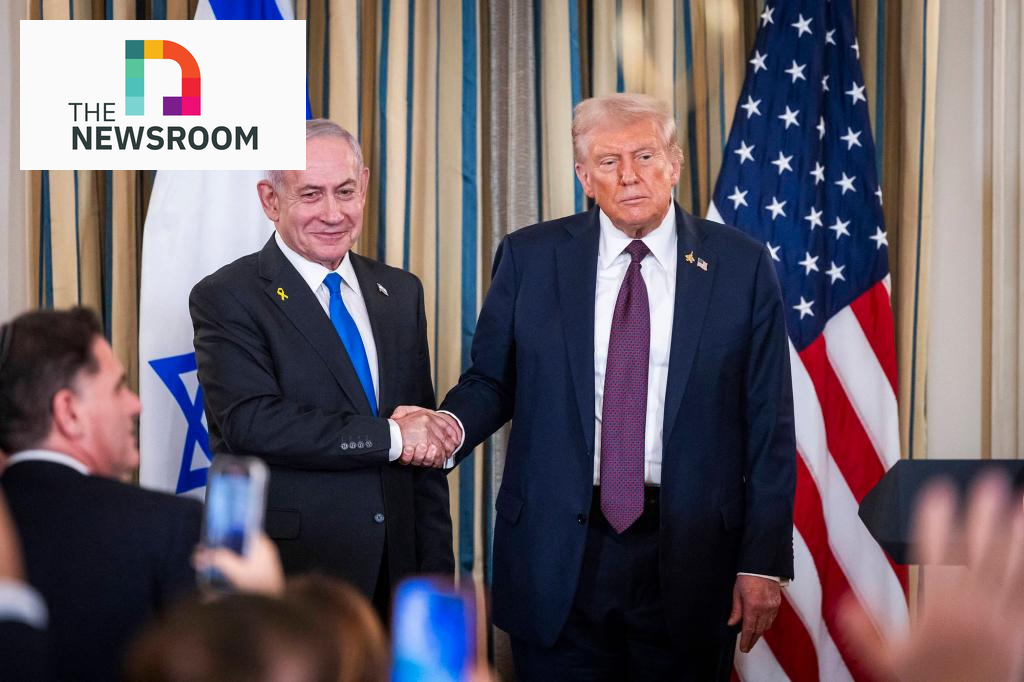
Hamas’s Delay in Peace Deal Negotiated by Trump Sparks Criticism
Hamas’s Response Threatens Continued Conflict and Negotiation Deadlock
Confidence in a swift resolution to the Middle East conflict faded quickly, as Hamas signaled its reluctance to accept a comprehensive peace plan proposed two years after its invasion of Israel. Despite initial international backing—including support from Israel, Turkey, Egypt, Saudi Arabia, and Qatar—the terror group showed no eagerness to surrender its position or to engage in negotiations for a settlement.
The peace initiative, endorsed widely and detailed with specific terms aimed at ending hostilities, faced an immediate challenge from Hamas. The group agreed to release the hostages in exchange for 250 Palestinian prisoners, but otherwise avoided clear commitments to the broader plan, demanding further talks instead. This response, particularly the limited scope of the hostage release, was seen as a setback.
The initial optimism, fueled by hopeful reactions from leaders including President Trump, was dampened when Hamas’s ambiguous response did not meet the conditions set forth, specifically the full acceptance by Sunday of the peace plan. Trump, initially optimistic, later acknowledged that Hamas was delaying and that their reply was insufficient, reinstating a strict deadline for hostage release within 72 hours, and emphasizing the need for rapid action.
Following this, the president dispatched envoys Steve Witkoff and Jared Kushner to Egypt to push for renewed negotiations and urged Israeli Prime Minister Netanyahu to seize the moment for victory. The stakes remain high, with ongoing doubts about whether Hamas truly intends to accept the plan or is merely stalling to preserve its influence.
Analysts warn that Hamas may be employing a strategy of endless negotiation to undermine final victory, especially as regional actors like Iran and Hezbollah are weakened. The possibility exists that international pressure could allow Hamas to continue governing and negotiating while avoiding definitive defeat, prolonging the conflict.
Despite accusations of mutual culpability, mainly from some Western critics, it is clear that Hamas’s outright rejection of the full peace proposal keeps the pathway to resolution open only through persistent pressure and negotiations. The U.S., being Israel’s strongest ally, must continue to push Hamas to accept peace and avoid prolonged conflict.