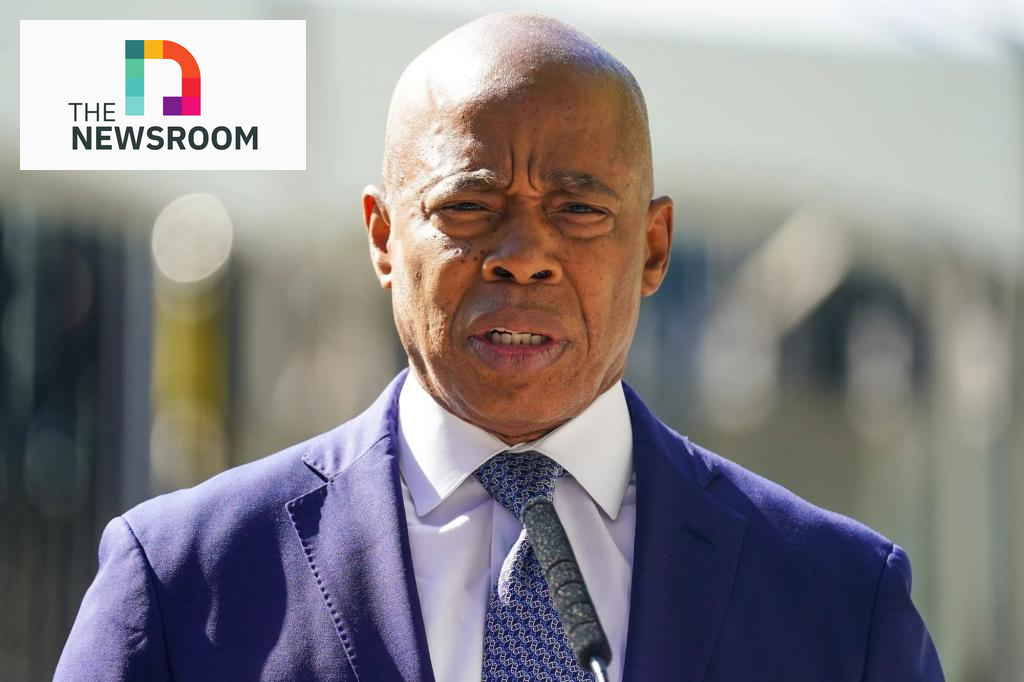
Eric Adams SpokeTruth to Democrat Party Power—and Got Punished
Mayor Eric Adams Withdraws from NYC Mayoral Race
Mayor Eric Adams has decided to step back from his bid for re-election, making him the first NYC mayor since David Dinkins to serve only a single term. His departure marks a significant move towards uniting opposition candidates against the rising socialist contender, Zohran Mamdani.
While recent headlines have focused on corruption allegations linked to Adams and his associates, his administration also boasts notable achievements often overlooked. Elected in 2021 with a focus on restoring safety amid soaring crime rates, Adams faced an early turbulent start but successfully brought homicides and shootings down to historic lows, partly due to Police Commissioner Jessica Tisch’s leadership.
In the first eight months of this year, the city experienced its fewest shooting incidents and victims ever recorded. Transit crimes declined by 8%, making subway safety the best it has been in recent history. Though other serious crimes haven’t fallen as sharply, Adams has contended with state reforms—such as bail and discovery laws—that hampered efforts to keep violent offenders in jail. Additionally, progressive prosecutors like Manhattan’s DA hinder prosecution of misdemeanors, reducing deterrence against disorder.
Adams strongly advocated for expanding involuntary mental health commitments to address homelessness and the mentally ill on streets and transit. Despite resistance from far-left lawmakers, recent legislative changes have made it easier to commit seriously ill individuals to mental health facilities. He also called for similar measures to combat public drug abuse, aiming to improve safety and provide treatment to addicts.
Throughout his tenure, Adams demonstrated support for NYC’s Jewish community, launching a dedicated office to fight antisemitism. He stood firm after the October 7 Hamas attack, emphasizing Israel’s right to defend itself and expressing concern over hostages still missing. During the Daniel Penny trial, he acknowledged systemic shortcomings in mental health services and did not politicize the incident, instead emphasizing the city’s need for reform.
Adams’s “City of Yes for Housing Opportunity” plan aims to unlock private sector development, predicting up to 82,000 new housing units over 15 years— a landmark shift in land-use policy. He also advanced a major rezoning of Midtown South, paving the way for more housing in underused areas.
Despite these accomplishments, Adams faced challenges from the migrant crisis and the constraints of NYC’s right-to-shelter law, which at its peak housed around 70,000 migrants, costing the city over $7 billion. The influx also brought concerns over crime linked to migrant gangs and disorder, with some critics alleging that city resources favored newcomers over long-term residents.
Adams openly criticized federal immigration policies and President Biden’s handling of the crisis, which he believed destabilized the city. His loyalty and decisions, including controversial appointments and associations, contributed to his political decline, culminating in his withdrawal from the race. Nevertheless, he is remembered as a pragmatic leader who navigated turbulent times with common sense, although his unwavering loyalty ultimately became his downfall.