Trump Threatens Troops and Sanctions Against Portland and Americans
President Trump Threatens to Deploy Military to Portland amid Unrest
President Donald Trump announced on social media that he has directed the Secretary of Defense to send troops to protect Portland, Oregon, following ongoing protests. He also authorized the use of the full military force if deemed necessary, escalating his use of federal deployment in U.S. cities.
So far, Trump has deployed the National Guard to several cities, including Los Angeles (despite a court ruling deeming such deployment illegal), Washington, D.C., and Memphis. In Portland, federal agents have increased their presence without local request, leading to accusations from city officials that the move is unnecessary and provocative.
Mayor Keith Wilson expressed concern over the federal agents’ arrival, stating they are there “without precedent or purpose,” in response to protests at an ICE facility. Oregon officials, including Senator Ron Wyden, criticized the federal actions, emphasizing Portland’s peaceful nature and warning against inciting violence.
The legality of deploying troops without state consent is questionable. Historically, the Posse Comitatus Act restricts federal forces from enforcing domestic law, and courts have previously ruled against Trump’s deployments, with a judge describing President Trump’s actions as creating “a national police force with the president as its chief.” The administration has since appealed these rulings.
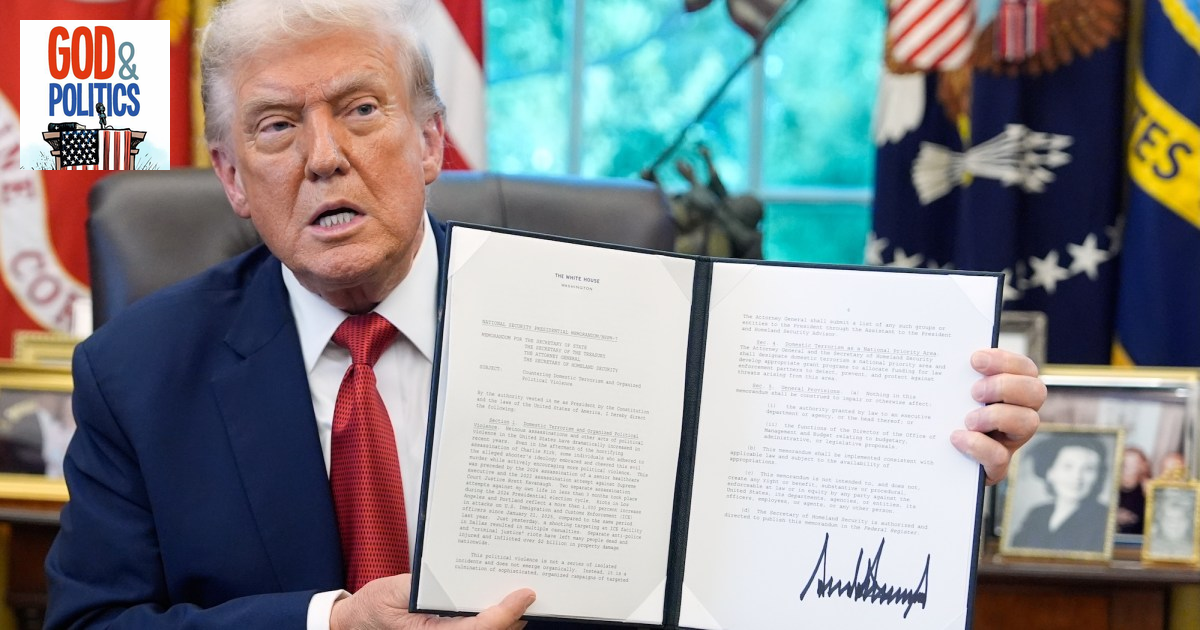
This threat follows an executive order that labeled Antifa—a loosely organized movement protesting neo-fascist and neo-Nazi groups—as a domestic terrorist organization. Critics argue this terminology is inaccurate and could be used to justify broader federal crackdown measures.
Civil liberties advocates warn that Trump’s authority to deploy military forces domestically is dangerous. Chip Gibbons, an expert on civil rights, called the move “extremely disturbing,” highlighting the potential for misuse of federal power to suppress dissent and undermine democracy. He cautioned that these powers, originally intended for national security, could be wielded to weaken democratic institutions if unchecked, raising serious concerns about authoritarian tendencies.