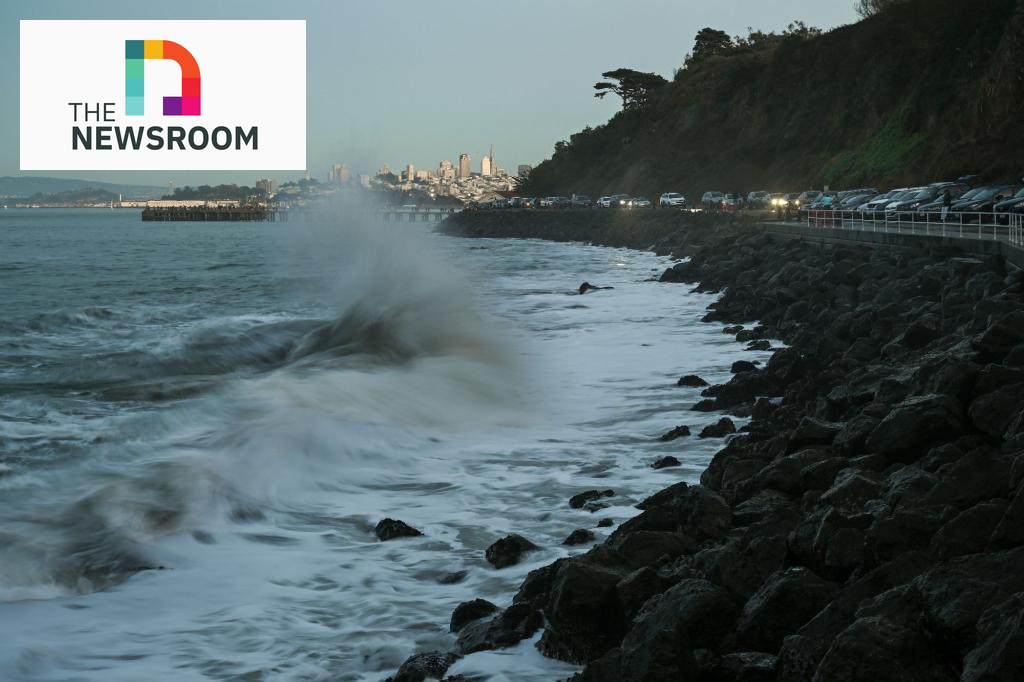
Rising Sea Hysteria Debunked—Climate Alarmism Won’t Listen
Study Finds No Evidence of Accelerated Global Sea Level Rise
A recent peer-reviewed investigation challenges the long-held belief that sea levels worldwide are rising faster than in the past century. The study, conducted by Dutch engineers Hessel Voortman and Rob de Vos, analyzed observational data from 150,000 coastal sites globally and found that sea levels are expected to rise by about six inches this century—similar to last century’s increase.
This finding contradicts decades of climate models suggesting sea level increases two to three times greater than historical rates, often predicting a rise of one to three feet by 2100. Interestingly, these models primarily relied on Antarctic data and assumptions about ocean response, not on comprehensive global observations.
In fact, actual measurements as of 2020 indicate a rise of only approximately 1.5 millimeters annually—far less than the 3-4 millimeters often reported in scientific literature and media outlets. Voortman, a hydraulic engineer focused on flood protection, had previously scrutinized Dutch data, which did not align with global predictions. His curiosity led him to undertake this groundbreaking study at his own expense.
Experts like Princeton’s Michael Oppenheimer once projected sea levels could climb over 34 inches by the end of the century, yet this new research raises serious questions about such forecasts. It also exposes the widespread neglect of verifying climate models against real-world data.
Despite the evidence, the narrative of an imminent climate catastrophe persists largely due to ideological and political motivations, including calls for drastic reductions in fossil fuel use and embracing costly renewable energy sources. Countries like India and China continue expanding coal power, emphasizing economic growth over strict climate policies.
As “Climate Week” approaches, skepticism grows toward alarmist warnings, with critics arguing that many claims of extreme weather surges and dire environmental outcomes are exaggerated or false. This study underscores the importance of grounding climate predictions in observed realities rather than assumptions, highlighting that the threat of catastrophic sea level rise may be less imminent than previously believed.