Trump’s Hyundai Plant Raid Backfires
Impact of Immigration Raids on Foreign Investment and Local Employment
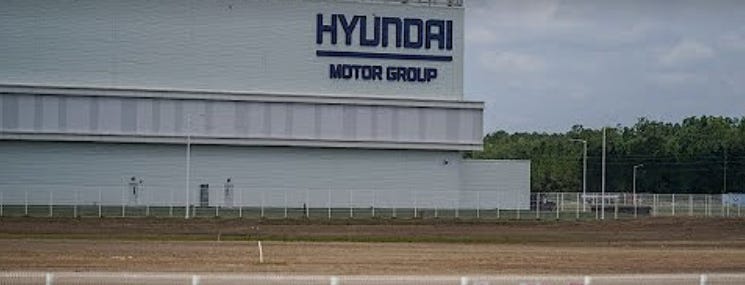
In 2021, Hyundai announced plans to build a large electric vehicle (EV) battery manufacturing facility near Savannah, Georgia. The plant was expected to create thousands of jobs for local residents and supply batteries to Hyundai’s vehicles. However, recent immigration enforcement actions have cast a shadow over such investments, raising concerns among international companies.
Following the return to office of former President Trump, Georgia Republicans grew worried about the future of the plant, especially given his stance against EVs. Their fears intensified when ICE conducted a raid at the construction site, initially targeting four Hispanic workers but ultimately detaining nearly 500 individuals. Over 300 of those detained were South Korean citizens, many of whom were accused of overstaying visas or working outside legal permissions.
Commentators in South Korea voiced concern that such immigration crackdowns could damage trust and economic ties with the U.S., especially for companies sending Korean personnel abroad. The country’s leading newspaper highlighted the situation with a headline expressing dismay over investments resulting in mass arrests.
This episode exemplifies how aggressive immigration enforcement can undermine foreign confidence and deter future investments. While proponents argue it enforces laws, critics warn that such actions threaten economic growth and international relationships, ultimately harming American workers who rely on new industries for employment opportunities.
Despite promises to bolster manufacturing, current policies appear to hinder growth, risking the U.S.’s economic and diplomatic stability. The repercussions of these crackdowns threaten to close off pathways to prosperity for countless working Americans seeking economic mobility.