Ohio Considers Allowing Utilities to Adjust Thermostats & Water Heaters
Ohio Considers New Demand Response Program for Residential Energy Management
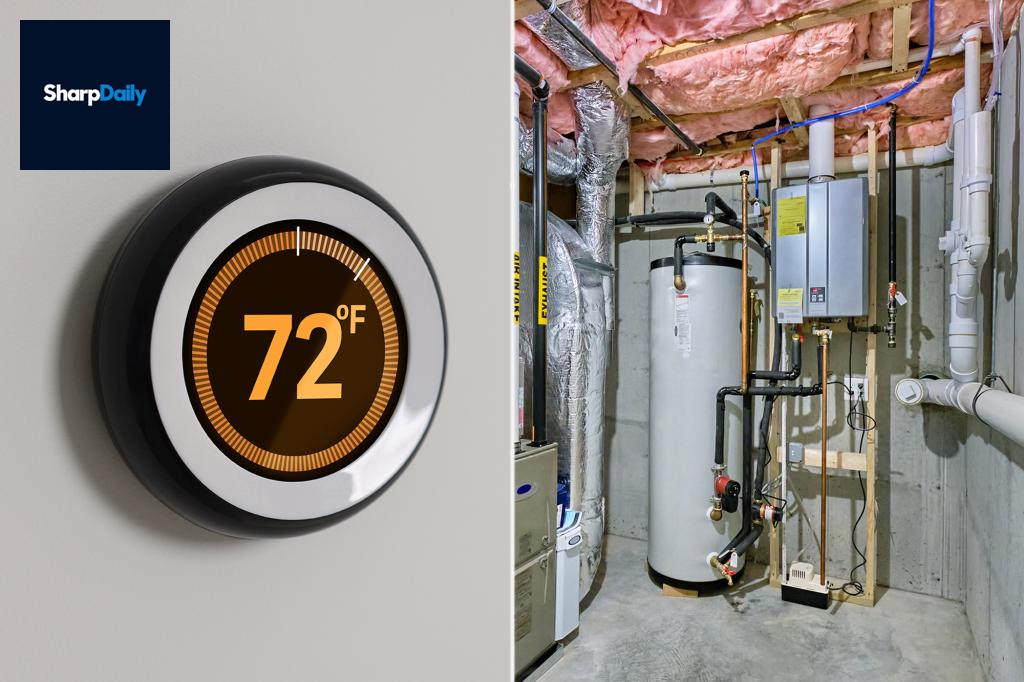
Legislators in Ohio are exploring a proposal for a new energy initiative that would allow utilities to temporarily modify household thermostats and water heaters, but only for residents who choose to enroll.
The bill, titled House Bill 427, introduces a voluntary “demand response” program aimed at easing the stress on the state’s power system during peak times like hot summer days or cold winter nights. Participants would give permission for their utility provider to adjust their thermostats or cycle water heaters during periods of high electricity demand.
Supporters highlight that demand response has already proven effective for large commercial users and now aims to extend similar benefits to homes and small businesses. The program would permit users to override adjustments at any time, ensuring control remains in their hands.
Customers opting into the program could receive financial incentives, such as annual payments or per-event credits, providing a monetary benefit for allowing temporary, reversible adjustments. The Public Utilities Commission of Ohio would oversee the program to maintain transparency and cost-effectiveness.

The bill has yet to be assigned to a committee but signifies one of Ohio’s most ambitious efforts to integrate demand-response technology into homes. Similar programs nationwide have seen positive feedback, helping utilities avoid outages during extreme weather conditions. For example, in Arizona, households are paid to allow thermostat adjustments during heat waves, which has proven successful in preventing blackouts.
Other states like Connecticut and Massachusetts have advanced proposals or programs encouraging smart thermostat use, with voluntary participation and compensation, especially during peak periods.
While proponents view these initiatives as a win-win—saving consumers money and protecting the power grid—critics raise concerns about privacy and the potential for expanded control over private homes in the future. With energy demands rising due to weather extremes, the debate continues as Ohio seeks tools to prevent future blackouts.