NYC Students Return to School Under New Cellphone Ban
NYC Students Back to School with New Cellphone Restrictions
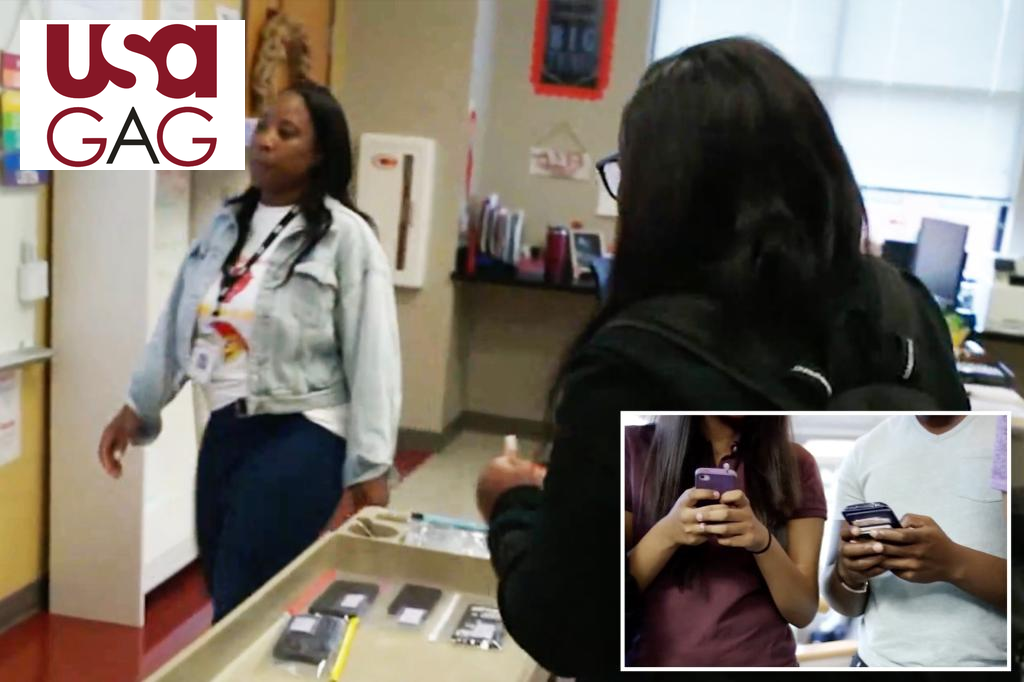
Nearly one million students in New York City returned to classes on Thursday, marking the first day of a new policy banning cellphones during school hours. The restriction, enacted into law by Governor Kathy Hochul and approved by the city’s Panel for Education Policy, aims to foster better focus and improve academic performance, which has been lagging in recent years.
Each of the city’s approximately 1,600 public schools was charged with developing their own plans to implement the cellphone ban. School officials anticipate the rollout will take several months to finalize, with some expecting full compliance by around Thanksgiving.

Under the new rules, students can use their devices during commutes but must surrender them once classes begin. Exceptions are permitted for students who need their phones for medical reasons, such as insulin monitoring, or for those responsible for caring for family members.
The policy also allows limited use for educational purposes at a teacher’s discretion, a flexibility described as “dynamic” by Schools Chancellor Melissa Aviles-Ramos. To support the change, the city allocated $25 million for necessary measures like secure storage and communication systems for emergencies.

In addition to the cellphone restriction, some schools may see smaller class sizes due to the enforcement of a new law capping class sizes in early grades, grades 4-8, and high schools by 2028. The Department of Education plans to hire thousands of new teachers to meet these targets.
This academic year, the city is expected to spend over $42,000 per student—a record high—covering expenses like transportation, support services, administration, and benefits, according to a nonprofit think tank. The total school budget is roughly one-third of the city’s entire budget, reflecting significant investment in education.