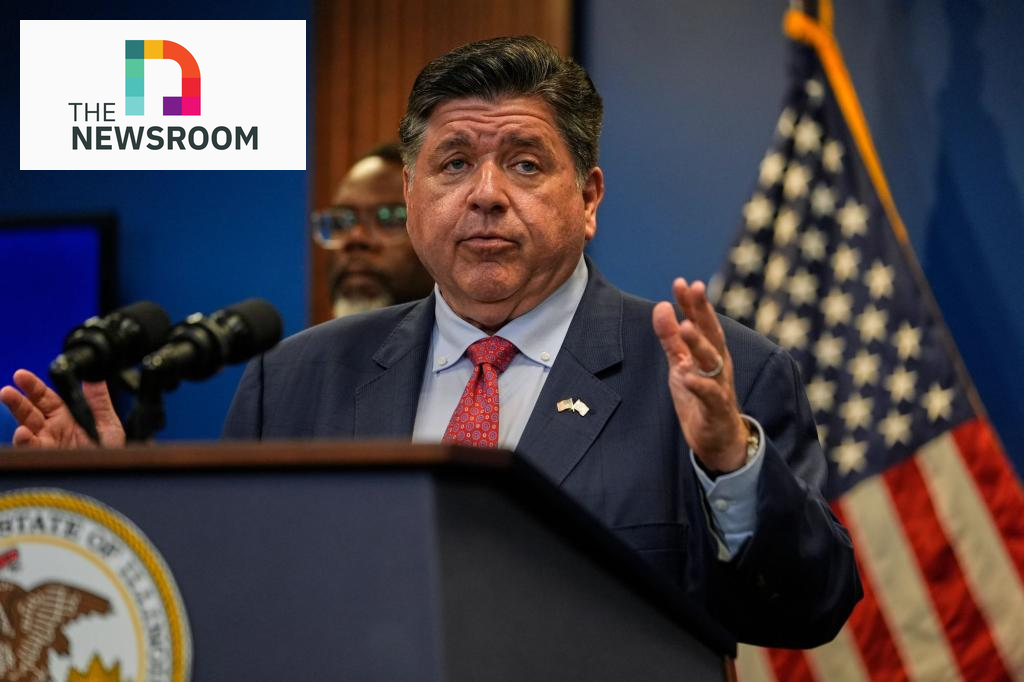
Trump Says Pritzker Should Ask for Help to Fight Crime
Progress on Crime Reduction Fails to Match Rhetoric in Illinois
Despite claims from Illinois’ Democratic leadership that federal help isn’t necessary to combat crime, recent events suggest otherwise. Over Labor Day weekend alone, Chicago experienced a violent surge with 54 shootings and seven deaths—more than double the toll from last year.
The question of whether the National Guard could bolster local efforts remains contentious. Surveys indicate a majority believe deploying the Guard could significantly help, but officials dismiss this as unnecessary.
While overall murder rates in 2025 have slightly decreased from the previous year, Chicago’s per capita homicide rate remains four times higher than in New York City. This stark contrast has led critics to point out that the city is a dangerous place, with some politicians actively resisting federal intervention.
Indeed, Illinois Governor JB Pritzker and Chicago Mayor Brandon Johnson oppose deploying the National Guard. Johnson has even ordered police not to cooperate with federal agents amid increased immigration enforcement in the city.

Evidence That Crime Is a Choice
Historical examples demonstrate that proactive law enforcement can drastically reduce crime. When President Trump dispatched National Guard units to Washington, D.C., the city saw a rapid decline, including 12 days without a single homicide. Mayor Muriel Bowser acknowledged that increased police presence helped achieve that reduction and has sought to make it more permanent.
Similarly, New York City’s crime rates plummeted during the 1990s thanks to aggressive policing strategies. Although recent reforms slowed progress, efforts to restore quality-of-life enforcement indicate that effective policing remains crucial in crime prevention.
Yet, many Democratic leaders seem to actively resist such measures. For example, Chicago’s Mayor Johnson has labeled incarceration as “racist” and “immoral,” arguing it doesn’t reduce violence—despite ample evidence to the contrary.

The Political Choice to Tolerate Crime
In California, Governor Gavin Newsom has refused to allocate funds for stricter crime enforcement measures despite voters overwhelmingly approving them last year. This pattern reflects a broader trend among Democratic officials—they prefer policies that tolerate high crime levels over proactive law enforcement.
Whether through resistance to federal help or the rejection of tough-on-crime policies, many Democratic leaders continue to make the political decision to prioritize other priorities over public safety, leaving cities like Chicago vulnerable.