Villanova Hit Again: Second False Active Shooter Report in 3 Days
Villanova University Receives False Active Shooter Threats Twice in One Week
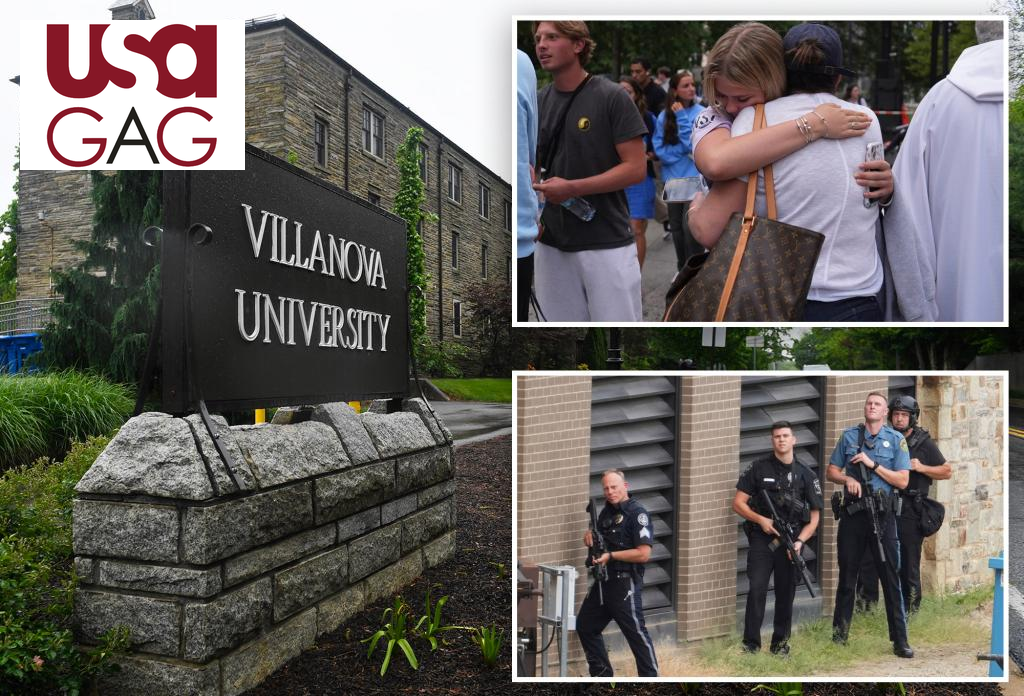
Villanova University experienced a second false active shooter alert within a week, prompting a campus-wide lockdown and police sweeps on Sunday morning. Authorities quickly responded after reports targeted Austin Hall, a student dormitory on the campus. However, subsequent investigations confirmed the threat was entirely fabricated.
Radnor Township Police responded to the scene around 11:40 a.m., initially alerting the community about a potential shooter. However, they later announced that the call was false, and the university was given the all-clear, allowing normal activities to resume.
During the incident, students, staff, and visitors–including many families helping students settle in–were instructed to shelter in place. An alert specifically directed everyone to avoid the law school’s Scarpa Hall, part of the West Campus area. The police conducted a comprehensive search, clad in tactical gear, in response to the threat.
Reportedly, dozens of students and families, many in the process of outdoor orientation activities, rushed to escape the imminent danger, with videos showing chaos and overturned chairs. The panic was triggered during a Mass intended to welcome new students, as alarming videos circulated online.
Officials later confirmed that the threats were a “cruel swatting” incident — where false reports are made to induce panic — and emphasized that such acts are illegal and will be prosecuted. Pennsylvania Governor Josh Shapiro condemned the false threats and directed law enforcement agencies to find and hold accountable those responsible.
Almost 1,770 freshmen are expected to start classes on Monday, according to university data. Despite the disruptions, university officials assured students that operations would proceed normally.
This incident follows another false active shooter alert at the University of Tennessee at Chattanooga earlier Thursday, which was also determined to be unfounded. These incidents highlight ongoing concerns about the dangers of hoax threats on college campuses.