SpaceX Cancels Starship Flight 10 Test Launch Due to Ground System Issue
Launch of SpaceX’s Starship Flight 10 Delayed Due to Ground System Issue
The highly anticipated tenth test flight of SpaceX’s massive Starship rocket has been postponed. Originally scheduled for this evening from the company’s Starbase facility in South Texas, the launch was called off just 17 minutes before the planned 7:30 p.m. EDT window. The delay was due to a ground systems troubleshooting issue, which prompted SpaceX to stand down from the mission.
SpaceX confirmed the cancellation via a post on X, the social media platform owned by Elon Musk. The company has not announced a new launch date but has backup days available through at least August 26.
About Starship
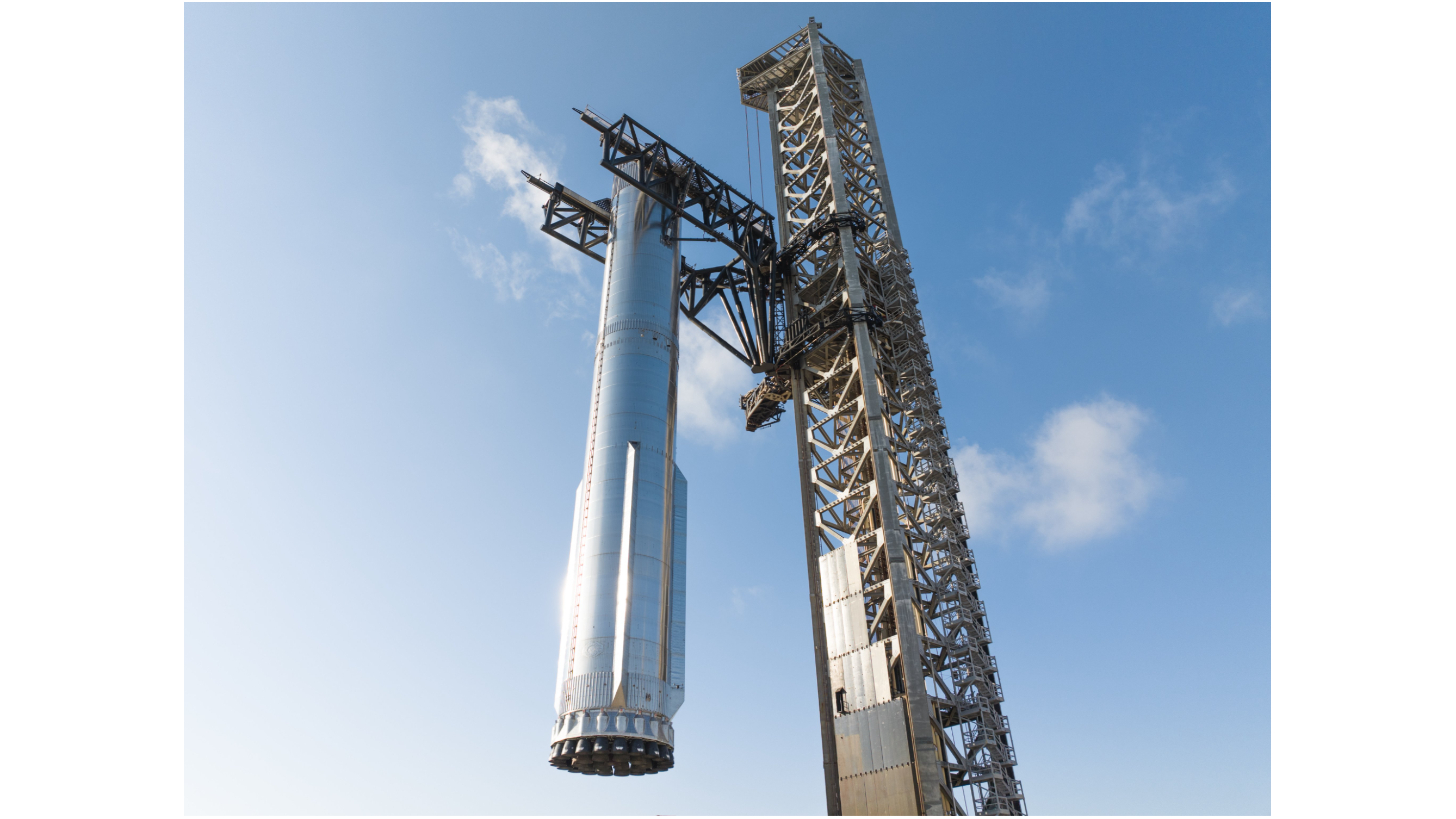
Starship is the most powerful rocket ever built, towering over 400 feet (122 meters) when assembled. It comprises two main components: the Super Heavy booster and the upper-stage spacecraft called Starship, both designed to be fully reusable. SpaceX aims to use Starship for lunar missions, Mars colonization, and other ambitious projects. NASA has selected Starship as the lunar lander for its Artemis program, with plans to send astronauts to the Moon as early as 2027.
Previous Test Missions
To date, Starship has conducted nine test flights, all launched from Starbase. Three of these took place this year—in January, March, and May. Unfortunately, each of these missions encountered significant issues: two resulted in explosions shortly after launch, and the third ended with the spacecraft breaking apart during atmospheric reentry.
Upcoming Goals for Flight 10
If conducted, Flight 10 aimed to replicate previous objectives, including the controlled descent of the Super Heavy booster into the Gulf of Mexico approximately 6.5 minutes after lift-off. The Starship upper stage was expected to splash down in the Indian Ocean off Western Australia about an hour later. During the mission, Starship was also scheduled to deploy eight dummy satellites for SpaceX’s Starlink internet constellation and perform an engine relight test in space.