Pentagon Fires Intel Chief Over Iran Bomb Damage Leak
Head of DIA Removed Amid Leaked Iran Nuclear Assessment
The Director of the Defense Intelligence Agency (DIA) was dismissed recently, just weeks after a classified assessment suggesting US strikes on Iran only delayed its nuclear program by a few months was leaked to the media. The assessment indicated Iran could restart its nuclear activities within one to two months, and that its uranium stockpile had not been destroyed.
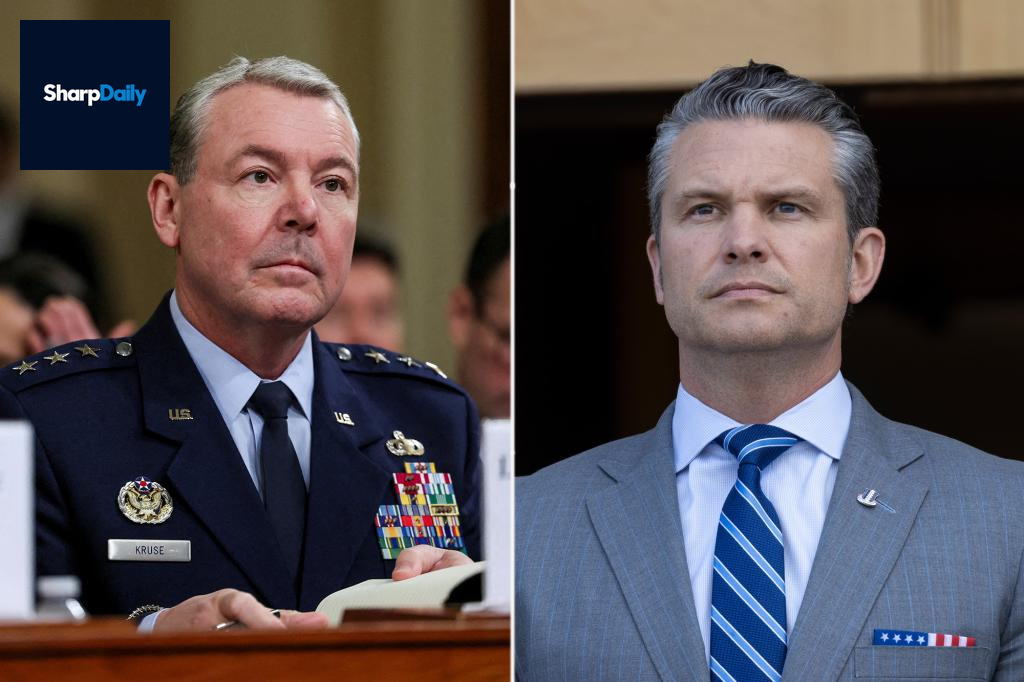
Lt. Gen. Jeffrey Kruse, who had led the agency since February 2024, was relieved of his duties, with the DIA Deputy Director Christine Bordine appointed as acting director. The move came after Defense Secretary Pete Hegseth expressed a loss of confidence in Kruse, according to congressional sources.
The leaked document, based on limited intelligence gathered shortly after the strikes on Iran’s nuclear facilities, fueled controversy. It was disclosed to CNN three days following the bombing of sites like Fordow, Isfahan, and Natanz by stealth bombers and cruise missiles. The leak provoked strong reactions from the administration, with President Trump condemning it as an attempt to undermine a successful military operation. Trump insisted that the nuclear sites in Iran had been completely destroyed and criticized the leak on social media.
U.S. officials and experts emphasized the importance of honest intelligence. Special envoy Steve Witkoff condemned the leak as “outrageous” and “treasonous,” calling for an investigation to identify those responsible. The incident highlights ongoing tensions within the intelligence community, continuing a recent string of high-profile dismissals, including former NSA Director Timothy Haugh in April.

Senator Mark Warner, chairman of the Senate Intelligence Committee, criticized the firing, stating it reflected the administration’s tendency to prioritize loyalty over objective intelligence. He noted that Kruse, a career military officer, had provided unbiased, factual analysis, and that silencing honest assessments could jeopardize national security. Warner emphasized that such distortions benefit adversaries and leave the country less safe.