Europe Unprepared to Defend Ukraine
Potential Paths Forward in the Ukraine-Russia Conflict
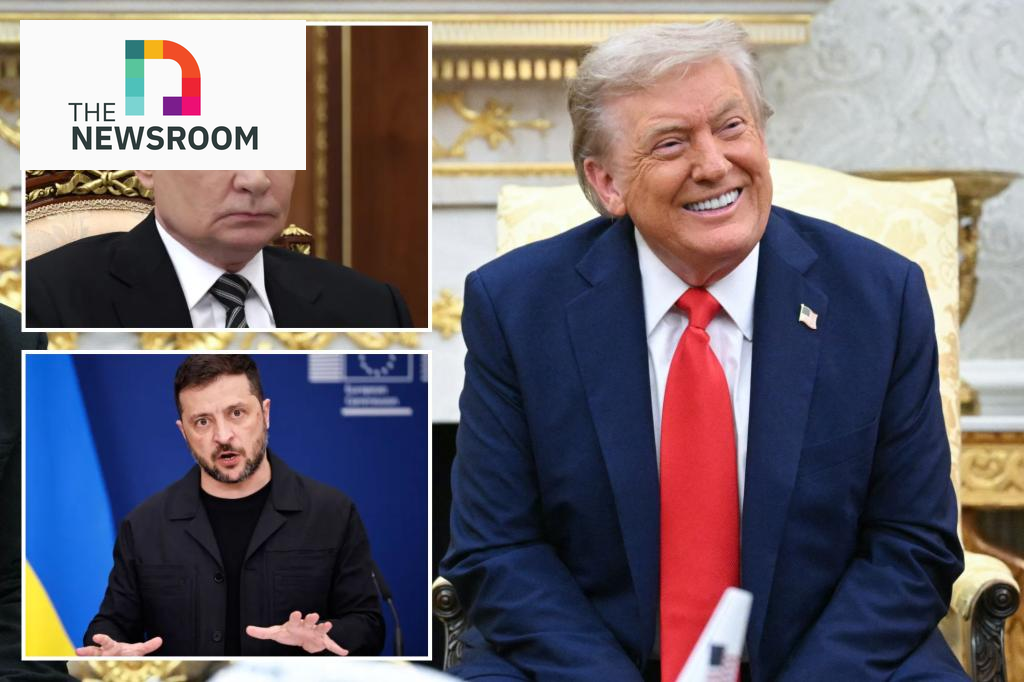
The success or failure of peace efforts often hinges on the initial step: starting negotiations. Recently, a significant breakthrough occurred when a summit was organized between Vladimir Putin and Volodymyr Zelensky following a White House meeting, raising hopes for peace negotiations amid ongoing conflict.

Achieving peace will not necessarily require an immediate cease-fire, but security guarantees to Europeans have been secured. The enforceability of these commitments remains uncertain, yet America’s willingness to support European security marks a notable shift in the prolonged conflict.
With current policies unlikely to revert to unconditional support for Ukraine, two main scenarios emerge:
Scenario One: A Peace Deal
Ukraine and Russia negotiate a settlement, with the US and Europe striving to establish a stable security framework post-war. However, the challenge lies in the land issues—a major sticking point. Negotiations would start based on the current military realities rather than maximal demands, requiring detailed discussions on territorial concessions.

Scenario Two: Talks Fail
If peace negotiations collapse, Trump may cease his support for Ukraine, blaming Zelensky and disengaging from backing the country. This shift, though unlikely to be publicly admitted, would be detrimental to Ukraine and European security, leaving Europe to sustain Ukraine’s defenses independently—a difficult and costly proposition given the extensive 745-mile frontline and limited troop capacities across Europe.
European nations face logistical hurdles in defending such a vast border, with estimates indicating that up to 150,000 troops might be necessary—a deployment far beyond current European capabilities. Countries like Germany and the UK have admitted they lack sufficient military support to bolster Ukraine effectively.

While history shows borders can be altered or split—like Karelia or parts of old Prussia—the core issue remains: European support for Ukraine requires major commitments, which, given current military and political limitations, are challenging to sustain. The crucial question remains how European leaders will manage their domestic support and whether they have a clear strategy for ending this protracted conflict.