
Bl:a:ck Moon Rises with the Sun on August 23: What to Expect
Rare Black Moon Event on August 23
On the night of August 23, a rare lunar event known as a Black Moon will occur. Although the moon won’t be visible to the naked eye during this time, the event is notable for its rarity.
At 2:06 a.m. EDT, the moon will enter its new moon phase, positioned in the constellation Leo and just one degree north of the sun in the sky. During this phase, the sunlit side of the moon faces away from Earth, making it invisible as it rises and sets with the sun.
What is a Black Moon?
The term “Black Moon” isn’t an official astronomical classification but is commonly used to describe unusual new moon timings. Specifically, this event falls into the “seasonal” category, meaning it’s the third new moon in a season that contains four. Typically, each season has three new moons, but sometimes an extra one appears, and the third is called a Black Moon. The last seasonal Black Moon occurred on May 19, 2023.
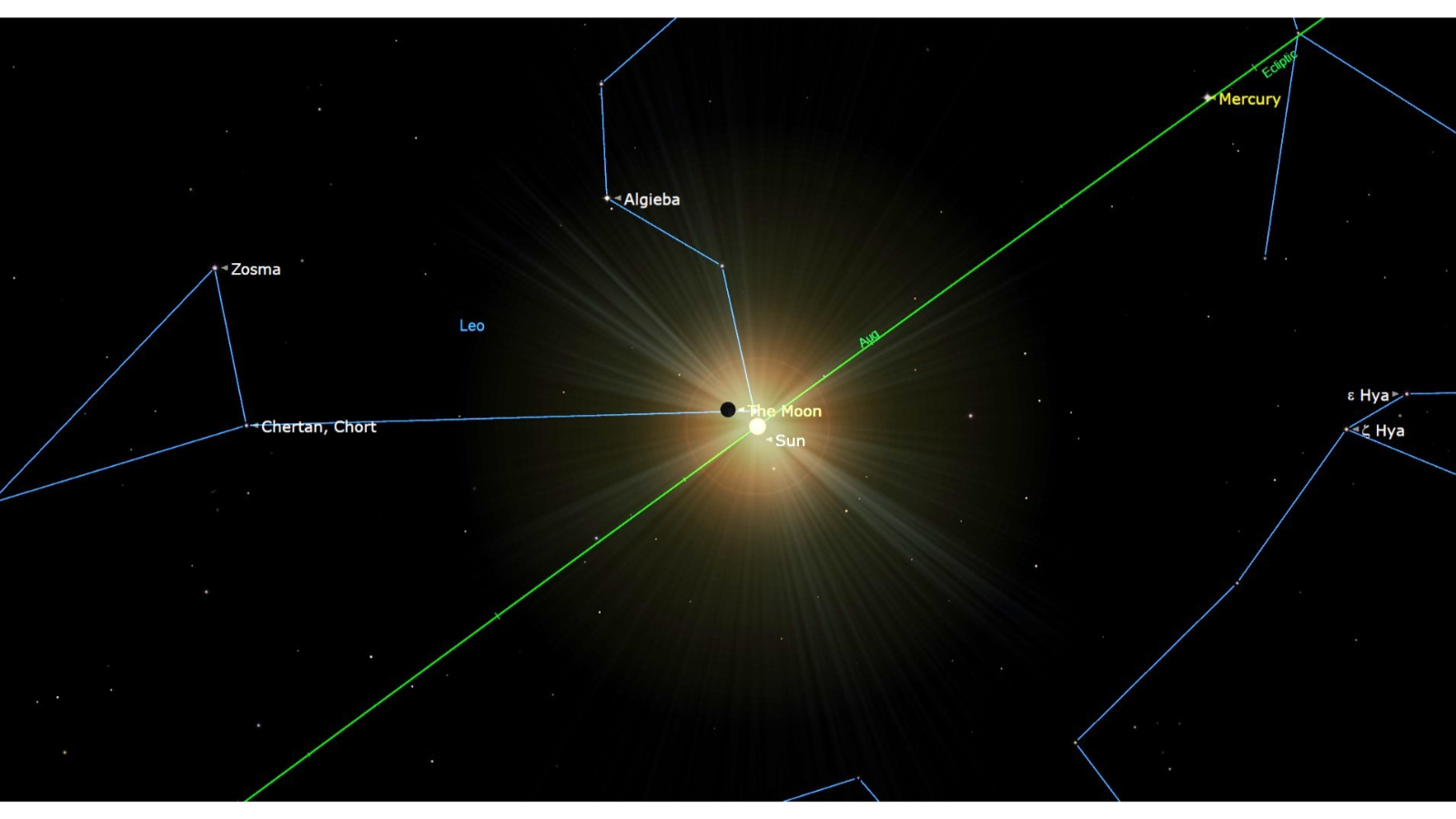
Additional Black Moon Definition
Another definition refers to a second new moon within a calendar month, which will next happen on August 31, 2027.
The Invisible Phase
Unlike supermoons or lunar eclipses, the Black Moon itself is not observable. During the new moon phase, the moon is positioned between Earth and the sun, with its dark side facing us, making it unseen in the night sky. However, the days following the Black Moon will feature one of the most beautiful lunar sights: the thin waxing crescent. On August 24 and 25, observers can look west about 30 to 40 minutes after sunset to see the moon’s delicate silver arc reappear.
The darkness of the new moon creates ideal conditions for observing faint deep-sky objects and the dense core of the Milky Way, providing a perfect opportunity for stargazing during this period.