Anti-Vaxxers Defend CDC Shooter—What’s Behind the Justifications?
Suspicious Motivations and Political Tensions Following CDC Shooting

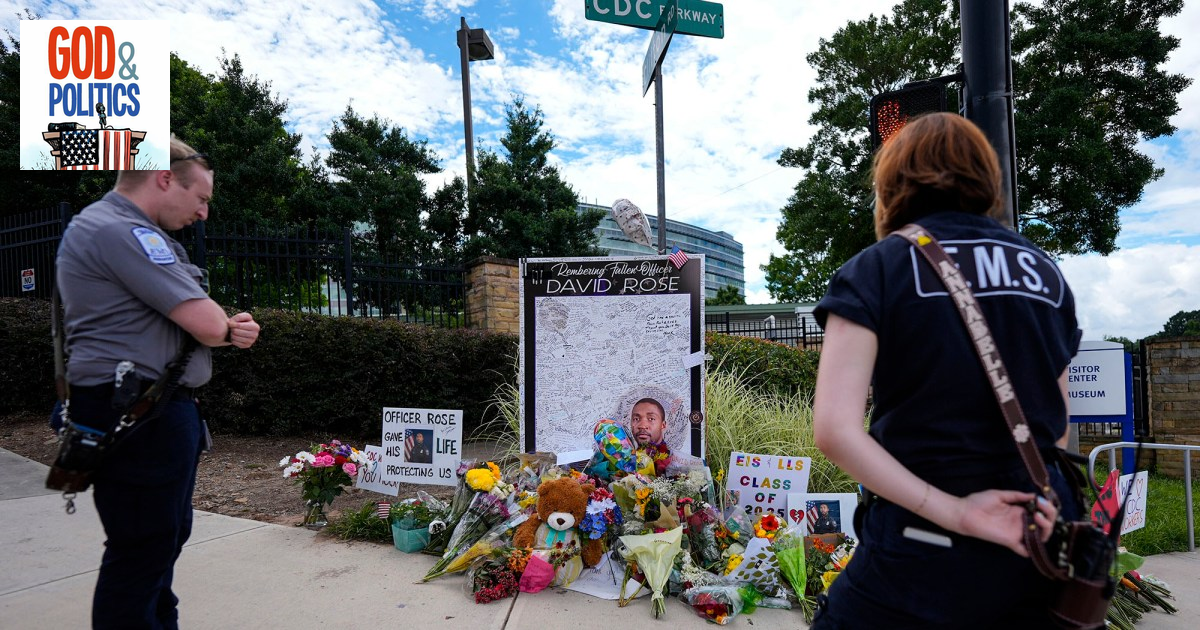
A memorial in the aftermath of a shooting near the CDC where Officer David Rose was killed while responding, Atlanta, August 13, 2025.
Following a devastating shooting at the CDC campus in Atlanta, where gunman Patrick Joseph White opened fire with over 180 rounds, killing Marine veteran and officer David Rose, authorities and public figures have been reflecting on the incident. White also shot himself at a nearby store. Investigators found writings indicating White blamed the COVID-19 vaccine for his depression and suicidal thoughts, aligning with common anti-vaccine narratives. Public health professionals emphasized that CDC employees should not be targets of violence or harassment.
During a recent interview, Health and Human Services Secretary Robert F. Kennedy Jr. condemned the attack but also suggested uncertainty surrounding the shooter’s motives. He hinted at questions regarding vaccine safety being a factor, though without definitive evidence, and emphasized the need for science-based policies at the agency.
This ambiguous stance echoed the rhetoric of prominent anti-vaccine advocates on social media. One influencer claimed the violence was rooted in public frustration with CDC vaccine guidance, asserting that vaccines “alter brain chemistry” and contributed to White’s actions. Others, like Larry Cook, argued that White harbored resentment after believing he was harmed by vaccines, and posted that news outlets misrepresented White as an anti-vaxxer, noting he was an “ex-vaxxer.”
Another figure, Jessica Rojas, a self-described “conspiracy realist,” maintained that White was injured by the vaccine and had abandoned vaccination, asserting he did not harm children and criticizing the CDC’s messaging.
Amid these narratives, Dr. Robert Malone—a controversial critic of COVID vaccines and recent appointee to the CDC’s Advisory Committee on Immunization Practices (ACIP)—became a focal point of controversy. Senator Richard Blumenthal demanded Malone’s removal from the advisory panel, citing inflammatory social media posts, including images and statements suggesting violence and distrust of government authority. Malone denied intentional provocation, but calls for his dismissal persist.
While CDC leadership condemned the attack and Kennedy expressed commitment to staff safety, the agency’s employee union highlighted increasing hostility towards public health officials fueled by misinformation. They called for stronger efforts to combat disinformation and protect staff amid ongoing tensions.