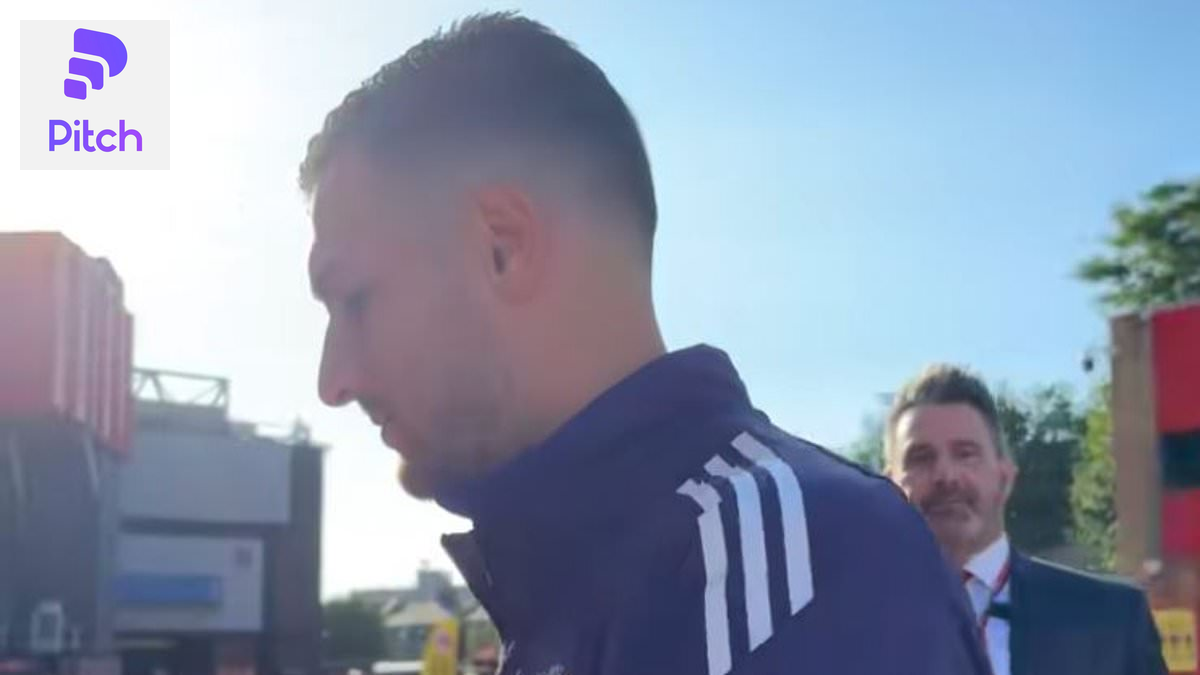
Dalot Refuses to Sign Fan Memorabilia: Why Some Supporters Back His Snub
Controversy as Footballers and Celebrities Refuse Autographs
During a recent pre-season friendly, Manchester United defender Diogo Dalot was approached by fans outside Old Trafford seeking autographs. While he kindly signed some items, he declined to sign shirt numbers, citing concerns that signed numbers are often resold for profit, fueling a black market for autographed shirts.
Many supporters supported Dalot’s decision, arguing that signing numbers encourages unethical resale practices. One fan commented, “Well done Dalot, all these sellers are getting out of hand.” Others criticized the players for earning high wages yet refusing to help fans make a modest income through autographs, sparking debate on the ethics of signing memorabilia.
Dalot, who recently changed his squad number to No 2, has made over 200 appearances for United since joining in 2018. His stance aligns with a growing trend among players to avoid signing items that could be resold, such as numbers and jerseys, to deter opportunistic collectors known as “hawks.”
In a similar vein, Manchester City star Phil Foden was filmed ignoring fans pleading for autographs while stopped at a red light, continuing to drive away without engaging. His teammate Josko Gvardiol was also approached by fans trying to get him to sign a jersey from his car, but he indicated he was unable to do so due to traffic.
The behavior of athletes has drawn criticism from club managers and fans alike. Pep Guardiola previously condemned autograph hunters, urging young fans to focus on their goals rather than chasing signatures. Similarly, NFL quarterback Aaron Rodgers refused to sign a fan’s memorabilia when suspicion arose about the authenticity of the item, highlighting the growing concerns over autograph scams.
Despite these tensions, some supporters argue that players might be justified in declining to sign, emphasizing that the culture of modern fandom has shifted away from genuine interaction towards profit-driven motives. Nonetheless, acts of refusal continue to spark discussions about athlete-fan relationships and the commercialization of memorabilia.

Manchester United defender Diogo Dalot declined to sign shirt numbers, citing concerns over resale.