Nuclear Shadows: 80 Years After Hiroshima, Weapons Haunted Global Politics
The Enduring Impact of Hiroshima and Modern Nuclear Challenges
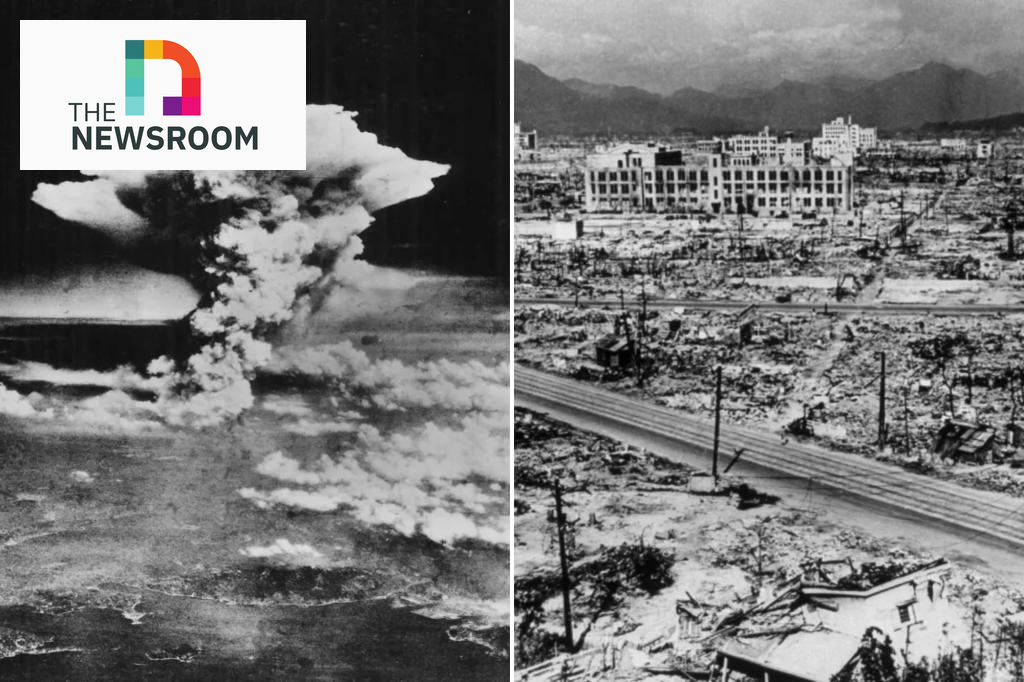
The atomic bombing of Hiroshima on August 6, 1945, was a defining moment that not only influenced the conclusion of World War II but also marked the beginning of the nuclear age, significantly transforming global security and diplomacy.
Decades later, nuclear weapons still cast a shadow over international relations, shaping conflicts, alliances, and ethical debates. Some argue that the bombings helped save lives by preventing a prolonged invasion of Japan, while others highlight the devastating civilian casualties and radiation’s long-lasting effects. The precedent set by Hiroshima continues to underpin nuclear deterrence policies and proliferation concerns, provoking fears of future use in conflicts worldwide.

Contemporary conflicts reflect Hiroshima’s legacy, notably the tense nuclear rivalry between India and Pakistan. Both nations have developed nuclear arsenals to deter aggression amidst ongoing disputes over Kashmir, leading to a complex balance where nuclear threats sometimes escalate lower-level provocations—a phenomenon known as the “stability-instability paradox.”
North Korea’s pursuit of nuclear weapons further exemplifies post-Hiroshima concerns. Facing perceived threats, the regime under Kim Jong Un has defied sanctions to develop an arsenal, destabilizing East Asia and prompting neighboring countries to consider their own nuclear options. Similarly, Iran’s nuclear program remains a key global issue; while claiming peaceful intentions, suspicions persist that it aims for nuclear weapons, risking regional and worldwide instability.

The risk of nuclear deterrence failing—due to miscalculations, accidental launches, or rogue leaders—remains a pressing concern. Arms control treaties like the Non-Proliferation Treaty (NPT) seek to limit proliferation but face challenges in enforcement and adherence, complicating efforts for disarmament.
Global tensions and technological advancements continue to pose threats, raising moral questions about the justification of nuclear weapons and the responsibility of possessing states. The debate over whether such weapons can ever be morally justified endures, prompting urgent calls for restraint, dialogue, and pragmatic policies to prevent a future Hiroshima.