US-India Alliance on Hold: Key Factors & Implications
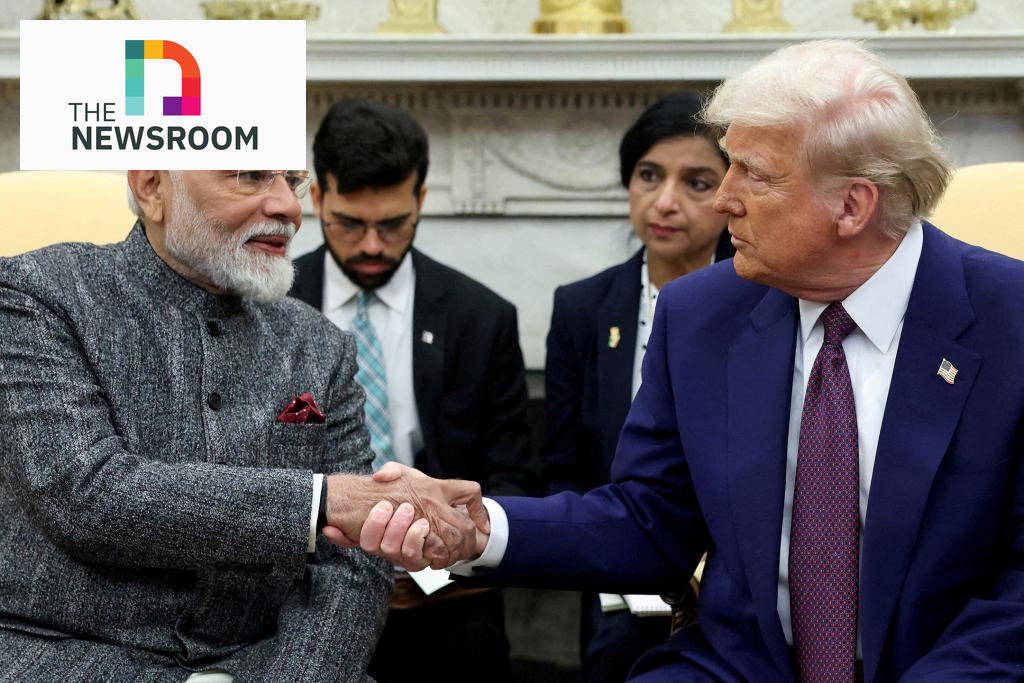
President Trump Imposes Major Tariffs on India, Signaling Shift in US-India Relations
Following President Trump’s announcement of new tariffs totaling 50% on Indian goods, it becomes clear that the traditional view of the US–India relationship as a close, democratic alliance is being challenged. The tariffs, scheduled to be phased in with an initial 25% this week and another 25% later, mark a significant escalation in the ongoing trade conflict.
Trump accused India of purchasing discounted Russian oil to fund Moscow’s military efforts and of profiting by selling refined Russian crude on the global market. India responded with warnings of retaliation, but Trump remains firm on the tariff implementation. These measures represent some of the toughest tariffs ever imposed by the US on a major trading partner, despite the fact that India is considered a strategic ally.

India, the world’s most populous democracy with a growing economy valued at $4.2 trillion, has long been resistant to pressure from the US. It maintains strategic independence, participating in groups like BRICS and the Shanghai Cooperation Organization, while managing relations with Russia, Iran, and others. Its recent imports of Russian oil—over a third of its consumption—amount to more than $50 billion annually and reflect a strategic choice to benefit from Russian discounts, some of which are re-exported through loopholes.
India’s stance is rooted in a desire to preserve sovereignty and avoid dependence, especially given its colonial past and historical support for non-alignment. This explains its refusal to fully sanction Russia over Ukraine, complicating diplomatic efforts with Washington.

While the US seeks India’s help to counterbalance China and protect supply chains, the relationship remains fundamentally transactional. Cooperation on technology and investments often outweighs shared values or democratic principles. Trump’s tariffs, seen as geopolitical pressure, risk pushing India away, especially since India has no intention of severing economic ties with Russia or altering its national strategy.
Tariffs tend to increase costs domestically and can hinder efforts to diversify away from China. They may provoke retaliatory measures from India, affecting sectors like energy and aerospace. Despite these tensions, cooperation remains possible if both sides accept that their partnership is based on mutual interests rather than shared ideals.