Mahmoud Khalil’s Unstoppable Defense of Hamas and October 7th
Main Article Content
Some individuals are best advised to remain silent.
Mahmoud Khalil, a former student detained by immigration authorities amid his involvement in pro-Palestine protests, has become a controversial figure since his release. Instead of expressing remorse, Khalil has publicly made statements that many find troubling.
He has refused to condemn Hamas on major media platforms and even appeared to justify the October 7 attack in a recent interview. During a conversation with a prominent journalist, Khalil claimed that the violence was a desperate attempt by Palestinians to be recognized and heard, describing it as an effort to “break the cycle” of silence and dispossession.
In the interview, he expressed concern about reaching what he called a “moment” in the Palestinian struggle—implying a justification for violence. Critics highlight that this stance sidelines the tragic loss of life, including the 1,200 innocent victims killed in the assault, portraying Khalil’s views as sympathetic to militant actions.
Recent Media Appearances
On a popular podcast, Khalil dismissed campus concerns about antisemitism as “manufactured hysteria” and issued vague condemnations of civilian casualties, avoiding specific criticism of Hamas. His comments drew criticism for seeming to sympathize with the organization and its actions.
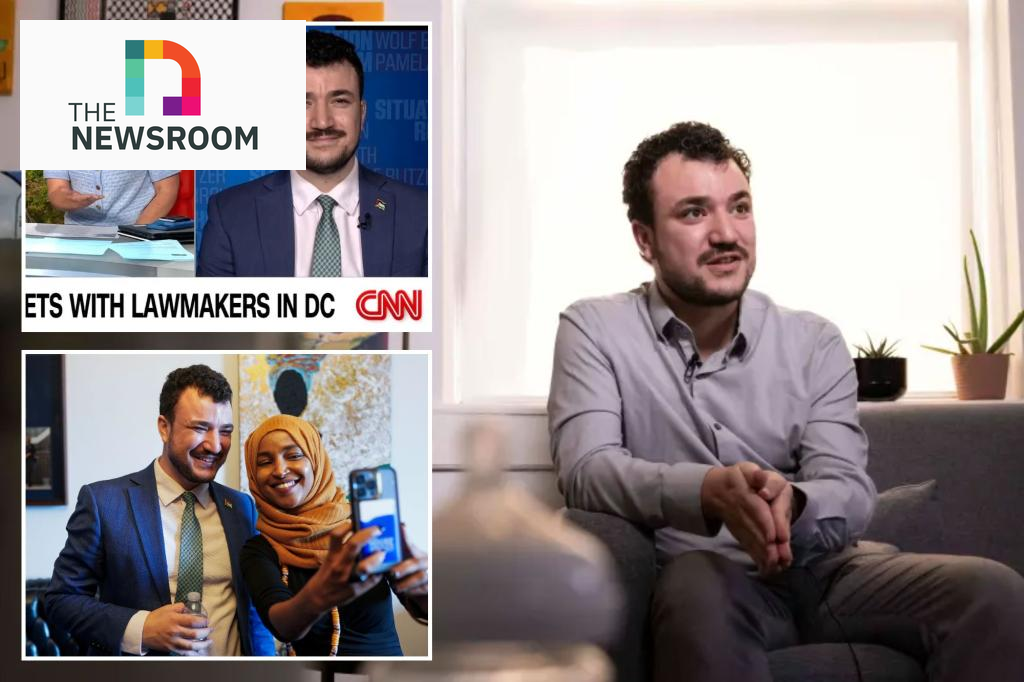
He previously refused to condemn Hamas during a tense televised interview, emphasizing that his opposition was to violence against all civilians, not specifically Hamas. He also argued that questions about condemning Hamas were “disingenuous” and framed as part of “selective outrage.”
Background and Controversies
Born in Syria to Palestinian parents, Khalil was detained in March over allegations that his protests threatened US foreign policy interests. A judge later released him on bail pending his immigration case. His detention drew widespread criticism, including from Jewish groups, but his recent media appearances have revealed a stance viewed by many as supportive of militant actions.
He has also garnered political support, with some lawmakers embracing him as a symbol of the pro-Palestine movement. His rhetoric and actions continue to spark debate, especially given his history and expressed sympathies toward Hamas.