Gaza Doctor Reveals Harrowing Starvation Crisis
Critical Conditions and Calls for Action in Gaza

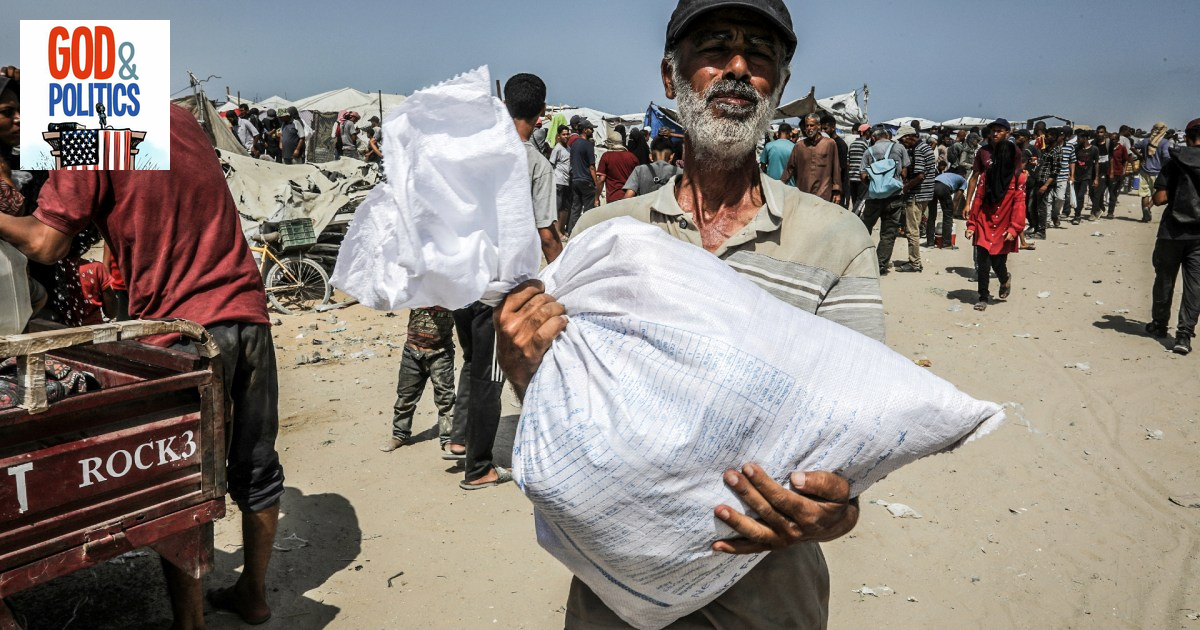
Palestinians gather food aid at a humanitarian distribution center in Rafah.
Despite ongoing aid efforts, the situation in Gaza remains dire, with reports indicating a severe famine unfolding. Humanitarian groups warn that only a small portion of necessary aid has reached the starving population, with UNICEF stating that one in three residents has gone days without food. Tragically, 80% of child deaths in the region are attributed to starvation, illustrating the widespread crisis.
While international efforts, including a U.S.-backed Gaza Humanitarian Fund, have been publicized, the reality on the ground paints a different picture. Aid distribution is reportedly highly dangerous, with Palestinians risking their lives to cross Israeli lines in feeding attempts, often under gunfire. Officials have claimed that over 100 million meals have been served in just two months, but many experts dismiss this as exaggerated, citing the extreme levels of famine and peril faced by residents.
Dr. Tarek Loubani, an emergency physician working in Khan Younis, has witnessed the impact firsthand. He describes a catastrophic decline in community health, with every patient suffering from moderate to severe malnutrition. His observations reveal that starvation is now a universal issue among those seeking medical help, with the latest patients being emaciated, skinny to the point of being unrecognizable.
In an interview, Dr. Loubani criticized international claims of aid success, calling them “laughable” given the circumstances. Palestinians continue to risk their lives to access aid, crossing fire lines daily, while official narratives idea of widespread aid distribution remains untruthful.
Addressing political and military responsibility, Dr. Loubani condemns leaders like Trump, stating, “They have actively supported a genocide.” He emphasizes that recognizing the ongoing atrocities as genocide holds legal significance, which many nations shy away from due to political interests.
He urges international communities not merely to recognize Palestine as a state but to act against arms support and military interventions that perpetuate the crisis. With his extensive firsthand experience, he underscores that despite knowing conditions would worsen, the current scale of devastation surpasses expectations, especially with children suffering the most, engulfed in starvation and violence.