Gazans Face Manmade Hunger Crisis

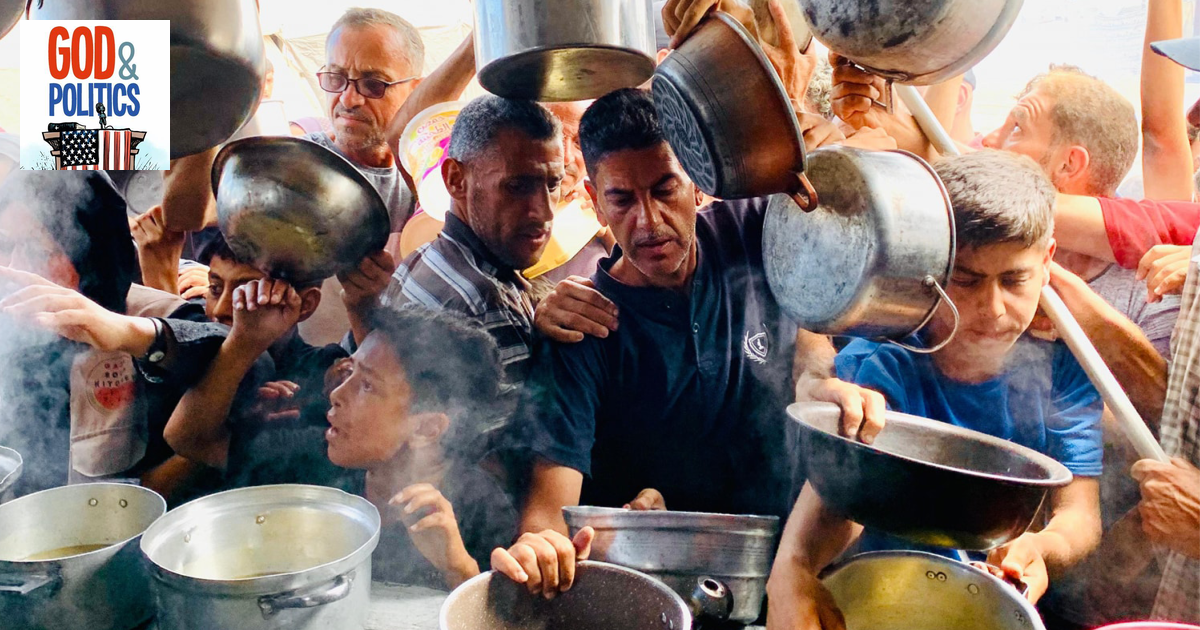
Gazans gather around the Gaza Soup Kitchen at the Al-Shati refugee camp.
Expert assessments from the United Nations indicate that the Gaza Strip, home to around 2 million Palestinians, is experiencing a severe food crisis that could escalate toward famine—a situation described as the “worst-case scenario of famine” currently unfolding.
The Gaza Soup Kitchen remains one of the few organizations still distributing food directly within Gaza. Abe Ajrami, a leader of the Kitchen, describes the crisis as “manmade starvation,” asserting that the Israeli government is weaponizing hunger to oppress the population.
Ajrami explains that despite international declarations classifying the violence as genocide, many in global political circles dismiss this label. He emphasizes that numerous reputable organizations, including the UN and Amnesty International, recognize the situation as genocide, citing the Israeli government’s explicit intentions to displace Gazans and cut off essential resources like water, medicine, and power—actions that constitute collective punishment and war crimes.
The starvation is artificial, caused by a relentless siege and bombing campaigns, leaving millions of people dependent on aid while food supplies sit across the Egyptian border. Ajrami highlights the irony of abundant food on the other side but a determined effort to use hunger as a tool of coercion.
The Gaza Soup Kitchen operates eleven feeding centers that serve approximately 250 to 400 people daily, depending on availability and conditions. The organization faces immense logistical hurdles—funds are transferred through intermediaries due to Gaza’s banking shutdown, and raw materials, such as firewood, are scavenged from debris. Staff are local residents, ensuring aid is delivered with dignity and trust within the community.
Ajrami criticizes organizations like the Gaza Humanitarian Foundation, which he describes as deceptive and even dangerous, accusing them of violence and manipulation that put starving people at risk. In contrast, his group’s local roots allow them to protect and serve their community effectively amid the chaos.
He advocates for political recognition of Palestine as a necessary step toward meaningful change, arguing that such acknowledgment must translate into actions like sanctions against Israel’s occupation to make a real difference for those suffering in Gaza.