Scientists Uncover Cause of 5 Billion Sea Star Die-Off Off Pacific Coast
Scientists Identify Bacteria as the Cause of Sea Star Wasting Disease
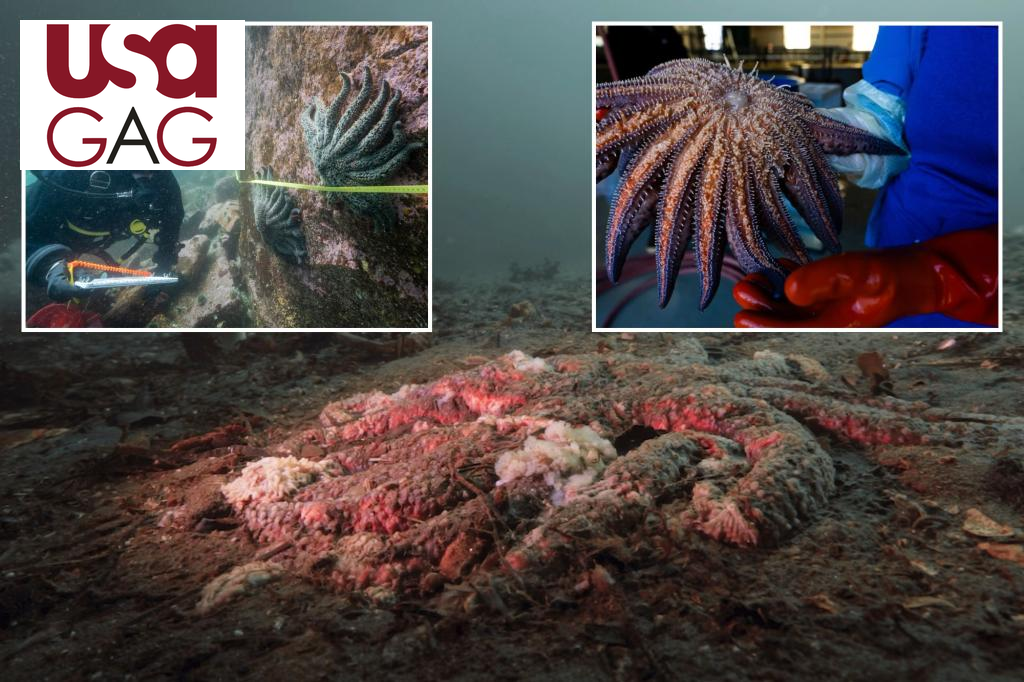
Research has finally unraveled the mystery behind the death of over 5 billion sea stars along the Pacific coast over the past decade. Beginning in 2013, a strange disease caused a massive die-off across multiple species, notably the sunflower sea star, which lost approximately 90% of its population in the first five years.
The disease causes infected sea stars to develop lesions, resulting in arms falling off and eventually death. The breakthrough came when scientists analyzing the animals’ coelomic fluid discovered the presence of the bacteria Vibrio pectenicida. This bacteria, which also affects shellfish, is now identified as the primary culprit behind the disease.
“It’s incredibly challenging to trace environmental diseases underwater,” said microbiologist Blake Ushijima, highlighting the significance of this discovery. The team’s meticulous analysis of the fluid surrounding the sea stars’ organs proved crucial in pinpointing Vibrio pectenicida.
Knowing the cause opens the door to potential interventions—such as testing for healthy individuals, relocating or breeding them in captivity, and exploring natural immunity. Researchers are also considering treatments like probiotics to strengthen sea star defenses.
These efforts are vital not only for sea star conservation but also for maintaining healthy ocean ecosystems. Sunflower sea stars are key predators of sea urchins, which otherwise proliferate and threaten kelp forests. With their decline, 95% of kelp habitats in Northern California have been lost, affecting countless marine species.
Future strategies may include breeding resilient sea stars or enhancing their immunity, aiming to restore populations and the kelp forests they help sustain. Such ecological recovery is critical, as these forests are often called the “rainforests of the ocean” for their biodiversity and importance.