3 Powerful Solar Flares Erupt in 24 Hours Ending Quiet Sun Period (Video)
Sun Releases Three M-Class Solar Flares in Rapid Succession
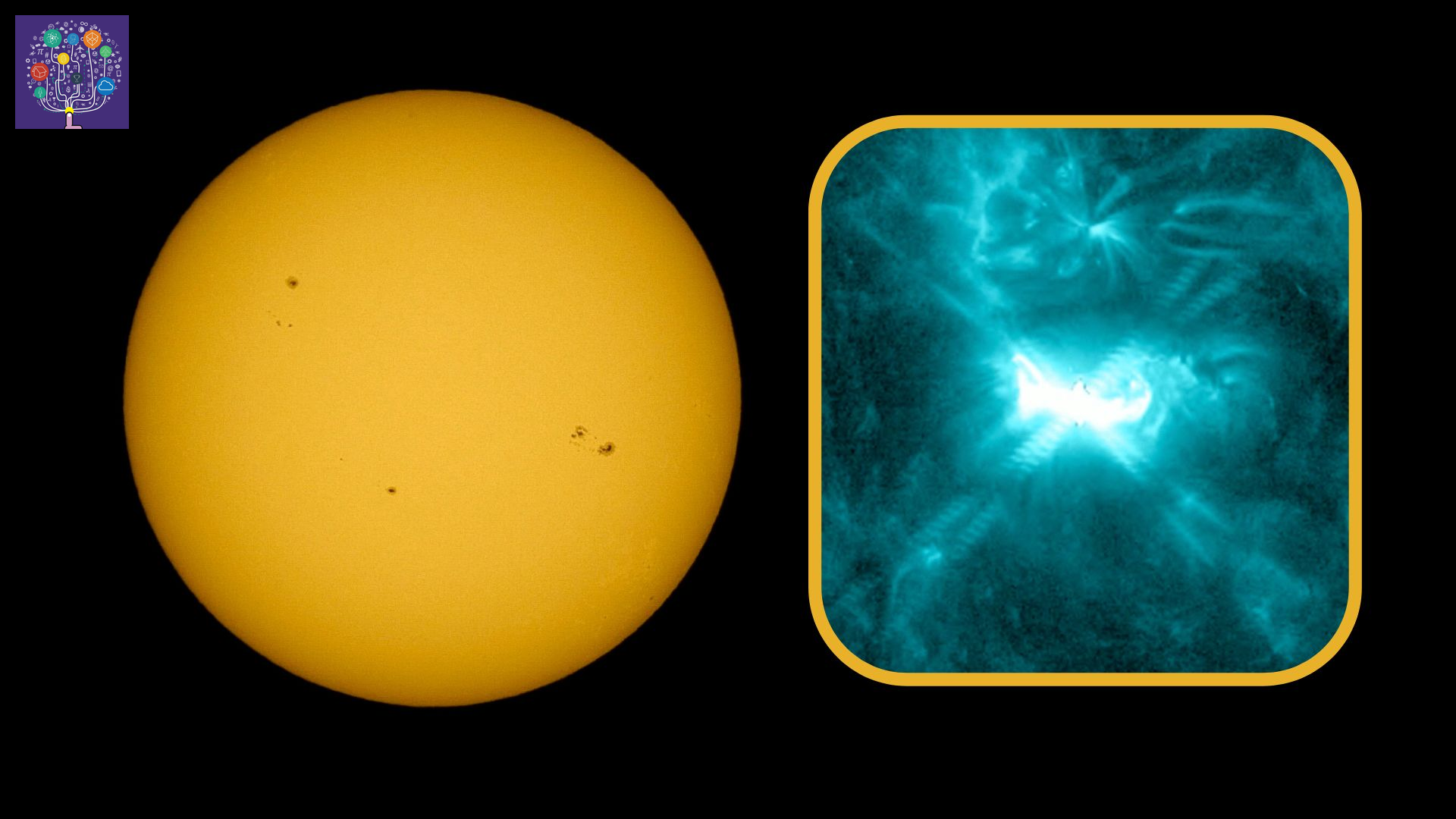
The sun has experienced a surge in activity after more than three weeks without strong solar flares, releasing three M-class flares within a 24-hour period. The first, an M2.9 eruption, occurred at 10:01 a.m. EDT on August 3 from sunspot region AR 4168. This marked the end of a 22-day period with no moderate flares.
Following closely, two more flares were observed: an M2 at 1:05 a.m. EDT on August 4 and an M1.4 at 1:21 a.m. EDT the same morning. All three originated from AR 4168, a sunspot that rapidly developed a more complex magnetic structure over the weekend.
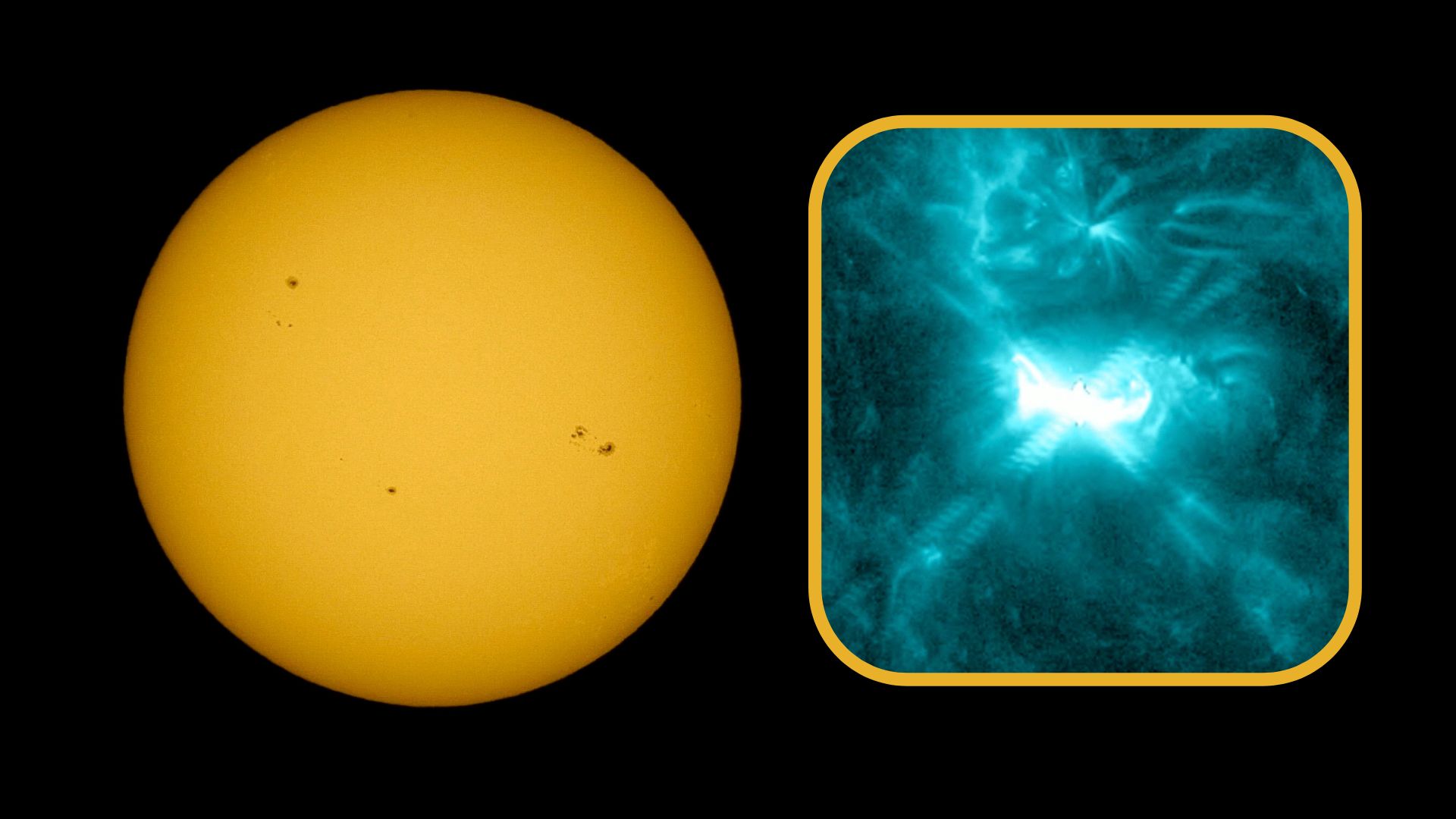
Solar flares are intense bursts of radiation caused by sudden magnetic energy releases near sunspots. They are categorized by strength into five classes: A, B, C, M, and X, with each level representing a tenfold energy increase. M-class flares can cause radio disruptions, while the more powerful X-class flares have the potential to cause widespread communication blackouts and impact satellites and power grids.
Current observations suggest that both active regions 4168 and 4167 contain “delta-class” magnetic fields, known for fueling strong solar eruptions and possibly producing X-class flares. The recent M2.9 flare may have launched a weak coronal mass ejection (CME) toward Earth, with modeling indicating it could arrive around midnight UTC on August 7. The impact chance is currently estimated at just 12%. Additionally, a second, faint CME may have been triggered, labeled a stealth CME due to its subtle nature.
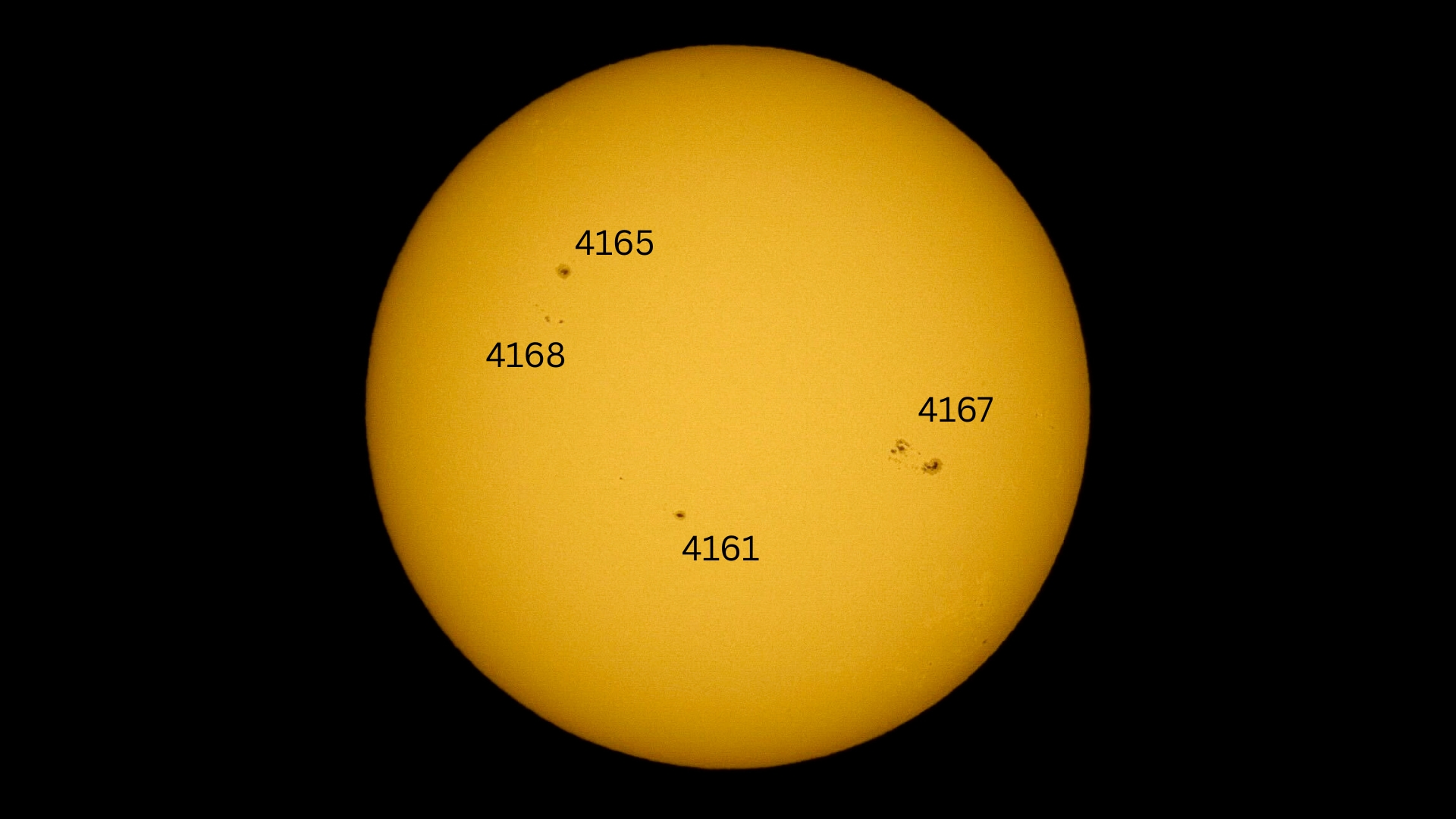
While no significant space weather consequences have been confirmed yet, authorities warn that active sunspot regions may produce further eruptions. Monitoring continues as space weather forecasters remain attentive to potential impacts on Earth’s geomagnetic environment, including northern lights visibility.