
Summer Flooding Across the US: What Science Reveals
Record-Breaking Flooding Highlights Worsening Climate Crisis
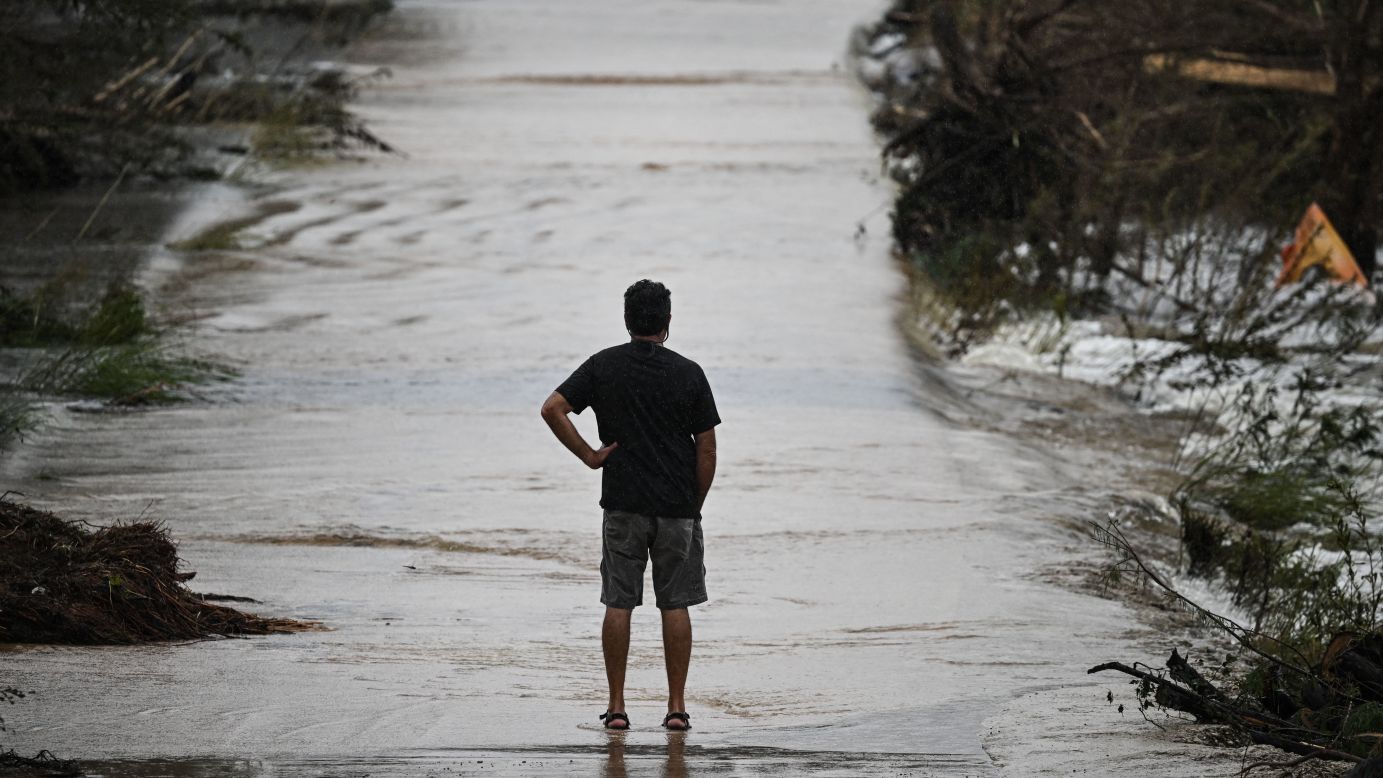
Severe flash floods have devastated multiple regions across the United States this summer, revealing alarming signs of climate change’s impact. These intense storms, often exceeding the frequency of 1,000-year events, highlight the increasing volatility driven by global warming.
Much of this summer has experienced unusually high humidity levels due to warm Gulf and Atlantic waters, which have left the atmosphere laden with moisture. When weather systems such as cold fronts pass through, this moisture is rapidly released, causing intense, localized downpours. This pattern has resulted in multiple destructive floods in states like Texas, New Mexico, Illinois, North Carolina, New York, and Kansas City.
These floods have sometimes been linked to rare rainfall events, with some occurring at a 1,000-year return level—meaning a very small chance of happening in any given year. However, climate scientists warn that human-induced warming is making such extreme weather more frequent and severe.
“These so-called ‘1000-year’ events are now much more common because of human-caused warming,” explains climate scientist Michael Mann. Additionally, persistent atmospheric conditions, known as “atmospheric resonance,” can cause weather patterns to linger, further intensifying storms.
Recent studies show such resonant weather patterns have tripled since the mid-20th century, complicating climate modeling and projections of future extremes. As climate scientist Daniel Swain notes, the relationship between climate change and heavy rainfall is most evident in short, intense events this summer.
Experts emphasize that the fundamental physics are well-understood: warmer water increases evaporation, leading to more moisture in the air; warm air can hold more water vapor, fueling heavy rain and storms. As Kate Marvel explains, “Climate change makes extreme rainfall events more likely and intense,” and human greenhouse gas emissions are contributing significantly to this trend.
While other factors influence flooding outcomes, the link between climate change and escalating storm severity is clear, underscoring the urgent need for mitigation efforts to address this growing crisis.