Tony Moon Reveals Shocking Truth: LA Protests Were Not Organic!
Reflecting on the “Rooftop Koreans” and Modern Unrest in Los Angeles
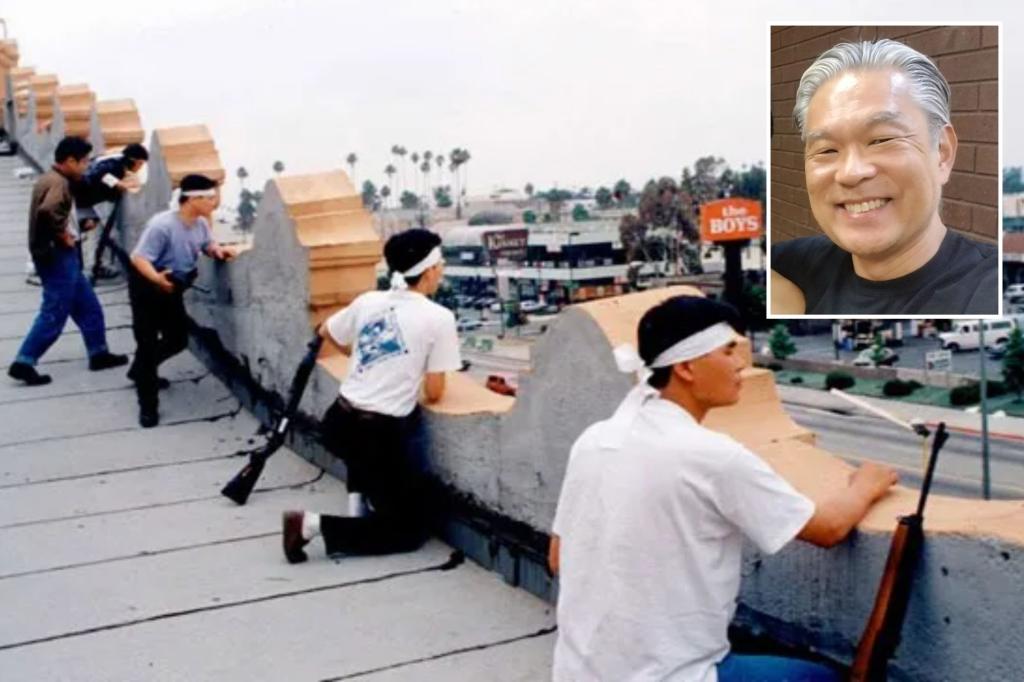
During the 1992 Los Angeles riots, a group of young Korean men vigilantly patrolled Koreatown, armed and positioned on rooftops to defend their community amid widespread chaos. Known as the “Rooftop Koreans,” their actions helped prevent fires and destruction in their neighborhood when police forces withdrew from controlling the violence.
The riots erupted after four officers were acquitted in the brutal beating of Rodney King, a Black man, leading to six days of unrest that caused over a billion dollars in damage and claimed 63 lives. Tensions between the Korean and Black communities had already been strained, exacerbated by incidents like the 1991 shooting death of 15-year-old Latasha Harlins by a Korean shop owner and inflammatory music like Ice Cube’s “Black Korea.” The environment was lawless, with fears of full-scale attack on Korean Americans.
Many of those young men, like Tony Moon, who at 19 guarded a neighborhood store with a shotgun, saw themselves as Angelenos first, disconnected from racial tensions. Moon’s early activism re-emerged decades later amid recent protests and civil unrest. While returning to activism during the 2020 post-George Floyd protests, he observed that current demonstrations seemed orchestrated rather than organically driven, suspecting foreign-funded groups and organizations behind the scenes.

Moon, who grew up with stories of North Korean persecution—his grandfather’s narrow escape from execution—emigrated to the U.S. as a child. His life has spanned from those tumultuous days to becoming a suburban family man and vocal critic of organized political unrest.
In recent years, Moon has been active online, rediscovering the legacy of the Rooftop Koreans and engaging in protests, including the 2021 Wi Spa incident, where a viral moment saw him hit a woman who kicked him during a clash over gender issues. Despite the resurgence of protest culture, Moon believes the pattern of unrest has become predictable, driven more by manufactured spectacle than genuine community causes. He suggests many are fatigued by repeated waves of civil disorder, whether fueled from within or by external influences.